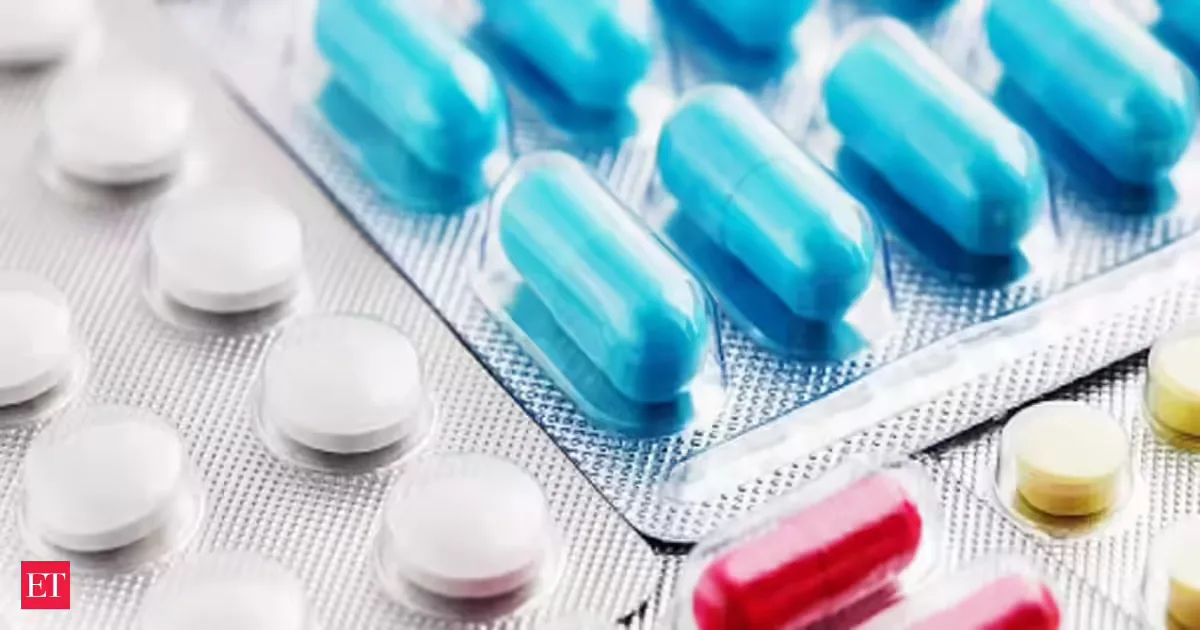
In the world of GLP-1 medications and peptide therapy for metabolic health, few stories capture innovation's fragile timing like Zydus Lifesciences' ZYOG1. Developed in Mumbai 15 years ago—well before the surge of anti-obesity drugs like Ozempic (semaglutide) and Mounjaro (tirzepatide)—this oral GLP-1 agonist represented a bold leap in diabetes and obesity treatment. ZYOG1's journey underscores the challenges of bringing oral peptides to market, preserving key lessons for patients and researchers today.
What Are GLP-1 Agonists and Why Oral Delivery Matters
GLP-1 agonists, or glucagon-like peptide-1 agonists, mimic the GLP-1 hormone to manage type 2 diabetes and obesity. They work by slowing stomach emptying, reducing food cravings, and promoting insulin secretion in response to meals. Injectable versions like Ozempic and Mounjaro have transformed metabolic health, but oral formulations address a major patient barrier: needles.
Peptides, the short amino acid chains powering GLP-1 drugs, are notoriously fragile. They degrade in the gastrointestinal tract due to stomach acid and enzymes, leading to poor absorption and low efficacy. Scientists worldwide labored to engineer oral delivery, making ZYOG1's development an audacious goal for Zydus, especially when obesity drugs lacked market traction and big pharma focused on anti-diabetes injectables.
ZYOG1's Unique Platform Technology
ZYOG1 was designed using a proprietary platform technology at Zydus Lifesciences, then known as Zydus Cadila. This innovation aimed to protect the peptide from GI breakdown, enabling pill-based therapy akin to modern oral semaglutide (Rybelsus).
Preclinical Success: Glucose Control, Weight Loss, and Safety
In preclinical models, ZYOG1 demonstrated compelling effects: significant reductions in glucose levels and HbA1c, alongside weight loss benefits. Crucially, it showed a differentiated safety profile with no nausea-like symptoms— a common side effect that plagues many GLP-1 agonists and impacts patient adherence.
These results positioned ZYOG1 as a dual-threat for diabetes and emerging obesity needs, mirroring the multi-benefits seen today in drugs like Wegovy and Zepbound.
Milestone: Phase I Trial Approval in 2010
In June 2010, Zydus announced it had received permissions from the Drugs Controller General of India to conduct phase I clinical trials for ZYOG1. This green light validated the drug's early promise and highlighted Zydus' innovative pipeline ambitions.
"This novel molecule would address unmet medical needs in treating diabetes and holds promising potential in the anti-diabetic and anti-obesity market," said Pankaj Patel, chairman of Zydus.
Patel's optimism reflected the scientific backing, including guidance from key advisors.
The Brain Trust: Richard DiMarchi's Expertise
Among ZYOG1's key advisors was Richard DiMarchi, a distinguished professor at Indiana University with deep GLP-1 research credentials. DiMarchi had spent years as a scientist at Eli Lilly, contributing to foundational work in peptide therapies. His involvement lent global credibility to Zydus' efforts, bridging Indian innovation with Western expertise.
Why Zydus Shelved ZYOG1: Costs and Market Realities
Despite the momentum, Zydus shelved ZYOG1's clinical development. A veteran scientist explained to ET: "At that time, research in diabetes drugs involved significant global clinical development costs as the US FDA had laid out stringent safety regulations. Sustaining the costs was difficult and obesity was not even seen as a big unmet opportunity."
Precision tracking for your journey
Join thousands using Shotlee to accurately track GLP-1 medications and side effects.
📱 Get the Shotlee App
Track your GLP-1 medications, peptides, and health metrics on the go with our mobile app!
A senior company official reflected: "If we had progressed, ZYOG1 would have been a successful asset." However, they cautioned, "Results in pre-clinical studies is too early to claim success."
This decision came amid a landscape where obesity's epidemic scale was underestimated, and funding for high-risk peptide oral drugs was scarce.
ZYOG1 in Context: The Evolution of GLP-1 Drugs
Early Injectables: Byetta's 2005 Debut
The first injectable GLP-1 agonist, Byetta (exenatide) from Amylin Pharma, gained US FDA approval in May 2005 for type 2 diabetes. Partnered with Eli Lilly, it paved the way but highlighted injection drawbacks.
Novo Nordisk's Oral Breakthrough
Novo Nordisk, makers of Ozempic and Wegovy, acknowledged oral GLP-1 challenges. In the early 2000s, they explored oral biologics, launching oral semaglutide for type 2 diabetes in 2019—sold as Rybelsus in India and recently approved in the US. Their success followed years of protein engineering.
Modern Giants: Ozempic, Mounjaro, and Beyond
Today, Novo Nordisk dominates with Ozempic/Wegovy, while Eli Lilly's Mounjaro/Zepbound drives its valuation skyward. Competition intensifies: Pfizer acquired Metsera for $10 billion in September 2023, outbidding Novo Nordisk. Meanwhile, Chinese firms, founded post-ZYOG1, have licensed weight-loss drugs to Western companies.
Indian Pharma's Pipeline Today
Indian drug makers are catching up. Sun Pharma advances utreglutide for obesity and metabolic disorders in early research. ZYOG1 could have propelled India ahead of Chinese peers, proving an Indian firm could lead GLP-1 innovation.
What This Means for Patients Considering GLP-1 Therapy
ZYOG1's story illustrates the long road to effective metabolic treatments. For patients on GLP-1s like Ozempic or Rybelsus, discuss oral options with your doctor to improve adherence. Monitor glucose, weight, and side effects like nausea—tools like Shotlee can help track symptoms and medication schedules for better outcomes.
Consult healthcare providers about suitability, especially if needles deter you. While ZYOG1 didn't advance, its legacy fuels hope for accessible peptide therapies in India and beyond.
Safety Considerations with GLP-1 Agonists
ZYOG1's preclinical nausea-free profile was notable, contrasting real-world GLP-1 side effects like gastrointestinal issues. Always prioritize FDA/approved drugs under medical supervision, weighing benefits against risks for diabetes or obesity management.
Key Takeaways
- ZYOG1, Zydus' oral GLP-1 agonist, predated Ozempic by 15 years with preclinical glucose, HbA1c, and weight loss benefits.
- Phase I approval in 2010 was shelved due to FDA costs and overlooked obesity market.
- Backed by experts like Richard DiMarchi, it highlighted oral peptide challenges overcome later by Rybelsus.
- Lessons for patients: Innovation timelines matter; track GLP-1 progress with doctors.
- India's pharma future brightens with pipelines like Sun Pharma's utreglutide.
Conclusion: Lessons from a Near-Miss in Peptide Therapy
ZYOG1 was ahead of its time, nearly launching from India amid a GLP-1 drought. Its shelving reflects economic hurdles, but preclinical promise endures. For metabolic health seekers, it signals accelerating oral GLP-1 access—stay informed and proactive with your care team for optimal results.