Peptides have exploded in popularity among gym bros and fitness enthusiasts online, with claims swirling that these amino acid chains can supercharge metabolism, accelerate recovery, and enhance muscle repair. A quick search on TikTok yields a quarter of a million videos, featuring titles like 'Three peptides to live to 100,' 'Peptides NOT steroids,' and 'POV you got $2k+ worth of peptides for $200 on grey market.' While the wellness world hails peptides as the latest solution to age-related decline, experts advise proceeding with caution. This guide dives into the buzz, backed by healthcare professionals' insights, examining what peptides are, why they're trending, and the evidence—or lack thereof—behind the claims.
What Are Peptides and How Do They Work?
Peptides are short strings of amino acids that serve as the building blocks of proteins. The body naturally produces peptides continuously to help cells communicate and respond to changes in the environment. "This signalling is essential for tissues with high turnover, including the skin," explains Dr. Kevita Bains, a consultant at the Revive Clinic in London. "More broadly, peptides influence inflammation, wound healing, immune response, and metabolic regulation across the body."
As we age, these vital communication pathways slow down, leading to longer recovery times from workouts, stubborn weight gain, and issues like back pain or receding hairlines. Peptide treatments aim to restore youthful efficiency by mimicking or enhancing these natural processes. Available in forms like pills, powders, creams, and sprays, the injectable versions are what dominate gym bro discussions online.
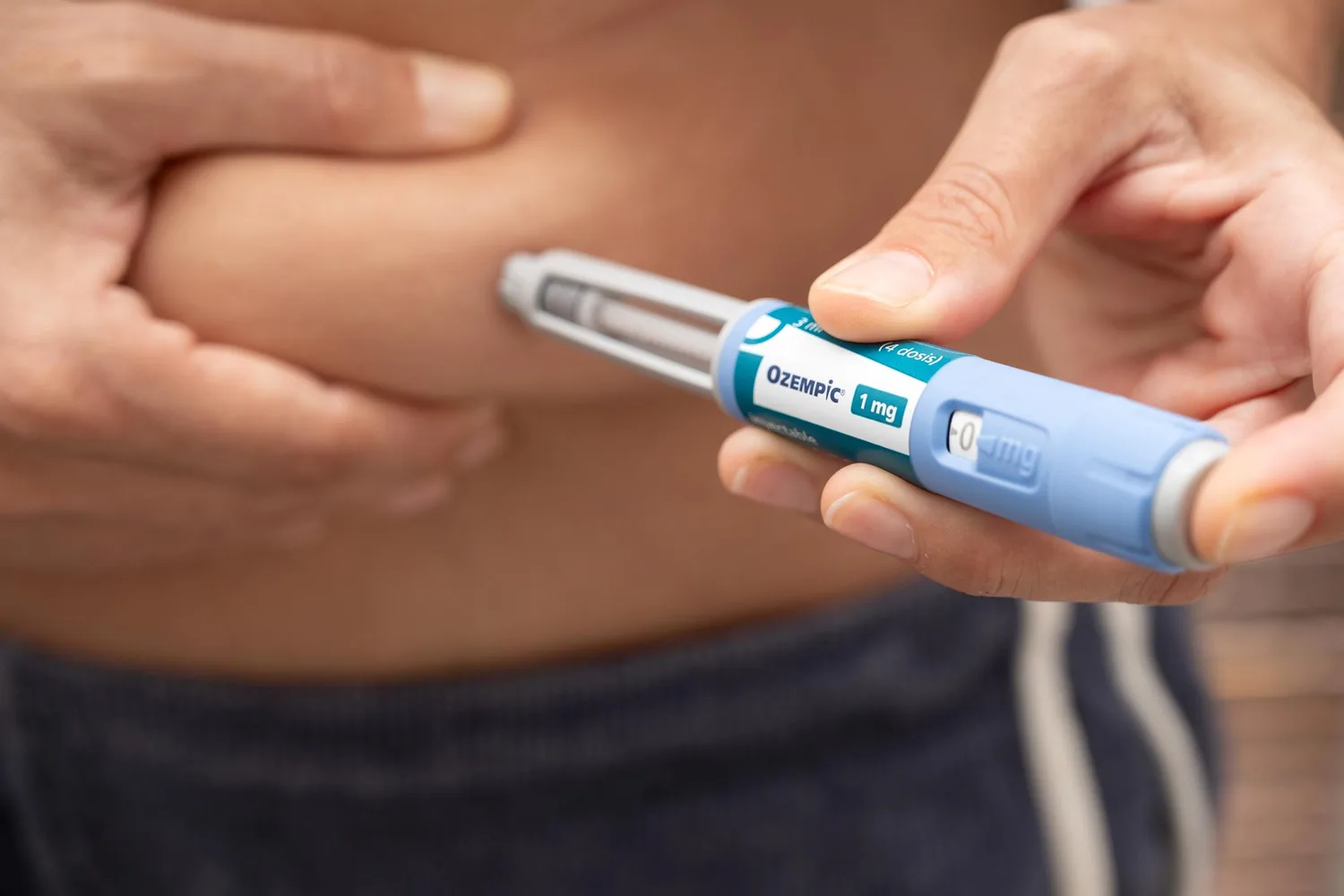
In clinical contexts, peptides have been used for decades. For instance, the most famous peptide treatment today is the GLP-1 agonist class, including drugs like Wegovy, which target metabolic regulation for weight loss. Other peptides gaining online traction include Teriparatide for bone health, Linaclotide for gut issues, and Ziconotide for pain management. These therapies work by binding to specific receptors, triggering targeted responses like hormone release or reduced inflammation.
The Surge of Peptides in Gym and Wellness Communities
Peptides aren't new, but public awareness has skyrocketed with GLP-1 medications and social media. "Peptide-based treatments have been used in medicine for decades, but public awareness has really surged with the rise of GLP-1 medications, with platforms like TikTok making complex medical concepts feel more accessible," notes Dr. Kaywaan Khan, GP and founder of Hannah London Clinic. Amid daily supplement routines, injectable peptides offer an air of exclusivity as the "next-level upgrade."
Gym Bros and Bodybuilding Peptide Stacks
Fitness communities are piling on because certain peptides stimulate growth hormone release, potentially aiding muscle growth, fat loss, and exercise recovery. Bodybuilding bros often showcase toned abs on TikTok, crediting "stacks" like Ipamorelin and CJC1295—growth hormone secretagogues—with their gains, complete with private discount codes. Influencers in the manosphere, like Clavicular, promote Melanotan II for hyperpigmentation and tanned skin without UV exposure.
Rick Brennan, a former AFL player turned high-performance coach, attributes the obsession to optimization culture. "The majority of interest I see is from my corporate clients: busy CEOs, professional athletes, actors and very successful professional people looking for a better version of themselves," he says. For time-poor high-achievers, peptides promise a universal panacea for sleep, skin, energy, hormone regulation, and tissue repair.
TikTok's Role in the Peptide Hype
Questionable grammar in video titles aside, the platform has amplified peptides from niche to mainstream. Videos promise longevity, distinguishing peptides from steroids, and tout grey-market deals. This viral spread raises key questions: Do peptides actually work as claimed, and are they safe?
Expert Views: Cautious Optimism with Heavy Caveats
We consulted healthcare professionals for clarity beyond influencers. While some express cautious optimism, caveats dominate. Dr. Bains highlights peptides' role in essential signaling, but stresses variability in evidence. Dr. Khan points to GLP-1s' established benefits while noting others' unproven status.
Precision tracking for your journey
Join thousands using Shotlee to accurately track GLP-1 medications and side effects.
📱 Get the Shotlee App
Track your GLP-1 medications, peptides, and health metrics on the go with our mobile app!
"The evidence for peptides varies depending on which peptide you're looking at and what you're hoping to achieve," says Bains.
The peptide industry is projected to reach $81.5 billion (£60bn) by 2034, fueling both innovation and skepticism.
Evaluating the Evidence: What Does Science Say?
Efficacy isn't clear-cut. GLP-1 agonists shine brightest: A 2024 study in the journal Cell Metabolism found that GLP-1 receptor activation not only reduces weight but also combats body-wide inflammation. This aligns with their FDA-approved use for weight management and metabolic health.
Skincare peptides have limited data supporting anti-aging claims, but conclusive proof is lacking. For bodybuilding, naturally occurring peptides influence growth hormone, muscle, and recovery. However, "evidence supporting the efficiency and safety of fancy, re-packaged treatments online is next to non-existent," warns Khan. Synthetic versions like Ipamorelin and CJC1295 may mimic these effects, but human trials are sparse, especially for off-label fitness use.
Compared to alternatives like steroids, peptides are touted as safer due to their natural mimicry, but risks like improper dosing persist without robust data.
Safety Concerns and Side Effects of Peptides
While GLP-1s have well-documented profiles (nausea, gastrointestinal issues), others carry unknowns. Melanotan II can cause nausea, flushing, or spontaneous erections. Growth hormone peptides risk water retention, joint pain, or insulin resistance. Grey-market sourcing amplifies dangers like contamination or incorrect potency.
Regulatory gaps mean many peptides are research chemicals, not approved for human use outside prescriptions. Experts urge medical supervision to monitor hormone levels, inflammation markers, and organ function.
What Should Patients Consider Before Trying Peptides?
If intrigued by peptides for recovery, metabolism, or repair, consult a qualified healthcare provider first. Discuss your goals—weight loss, muscle gain, or anti-aging—and review family history, current meds, and lab work. GLP-1 agonists like Wegovy require prescriptions and lifestyle integration.
For tracking therapy, apps like Shotlee can log symptoms, side effects, and schedules, helping you and your doctor assess progress. Start low-dose under guidance, prioritizing FDA-approved options over TikTok stacks.
Key Takeaways: Navigating the Peptide Trend
- Peptides are natural signaling molecules vital for metabolism, repair, and inflammation control, slowing with age.
- Gym bros hype injectables like Ipamorelin, CJC1295, and Melanotan II on TikTok for gains and recovery.
- GLP-1 agonists (e.g., Wegovy) have strong evidence, including 2024 Cell Metabolism findings on weight and inflammation.
- Other peptides lack robust safety/efficacy data; grey-market risks are high.
- Industry boom to $81.5B by 2034 demands caution—prioritize expert oversight.
Conclusion: Proceed with Caution in the Peptide Era
Gym bros' peptide obsession reflects a quest for peak performance, amplified by social media. While GLP-1s offer proven metabolic benefits and peptides hold therapeutic promise, hype outpaces science for most fitness claims. Consult professionals, verify sources, and focus on evidence-based use for safe optimization. For related topics like GLP-1 therapy or metabolic health, explore our guides on Wegovy benefits and peptide safety monitoring.