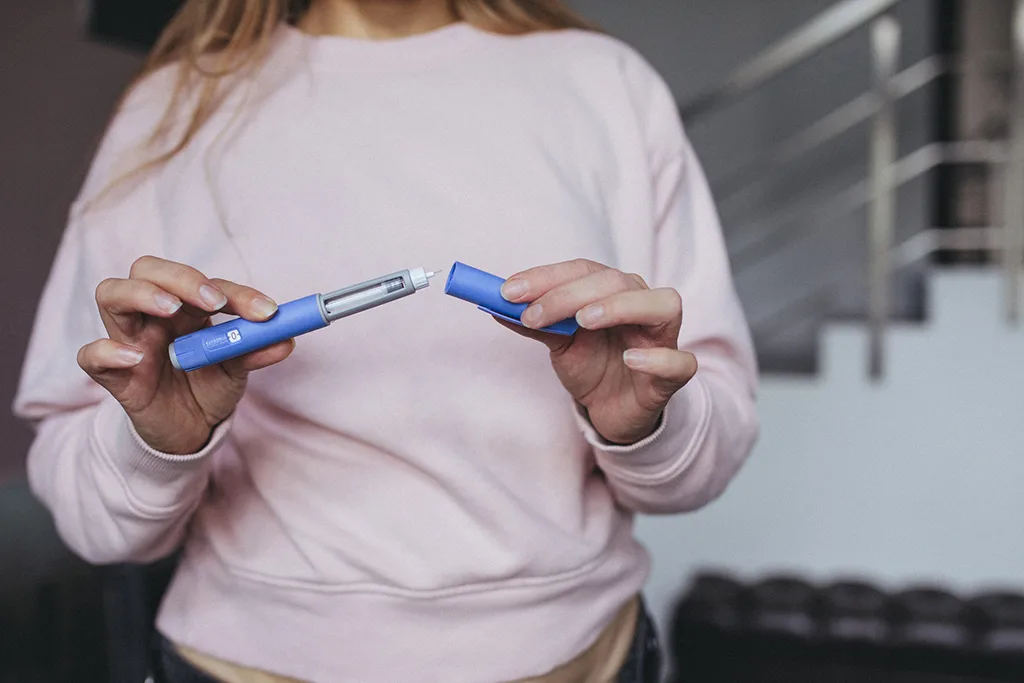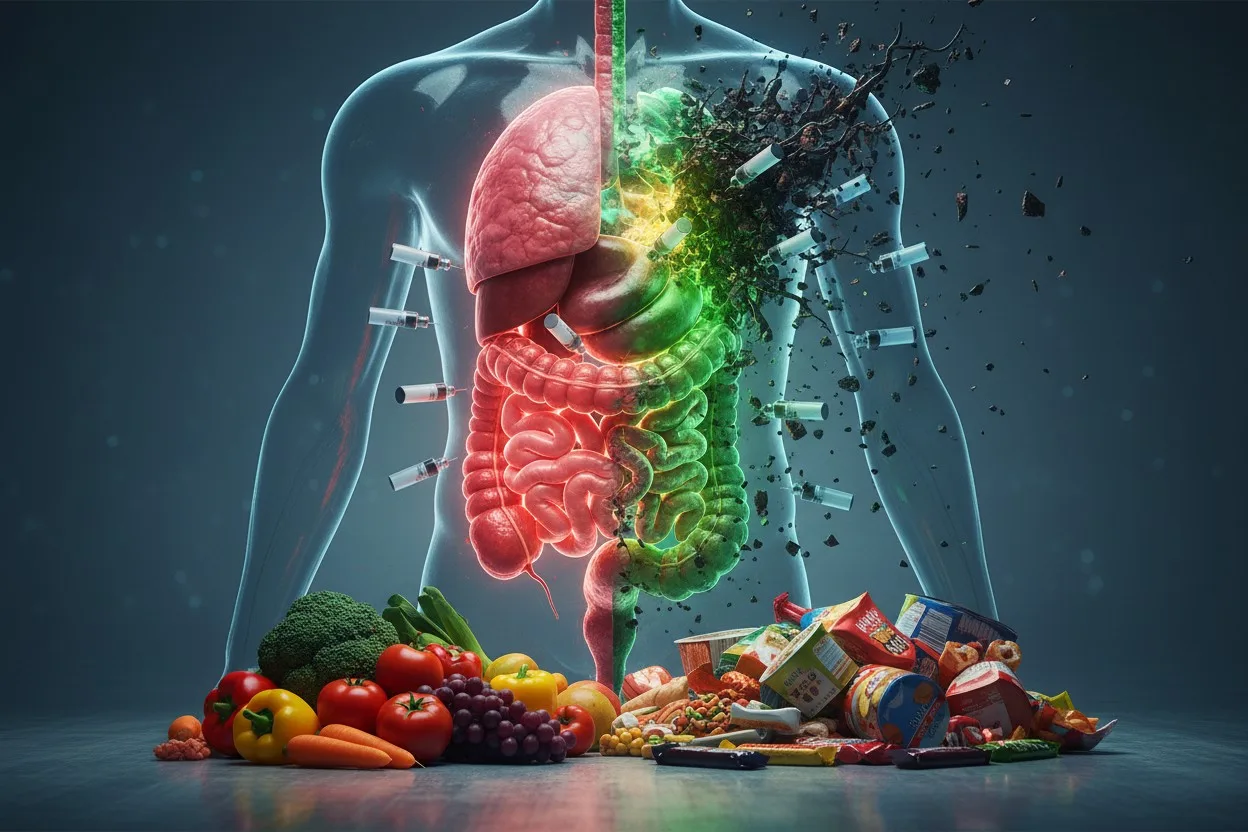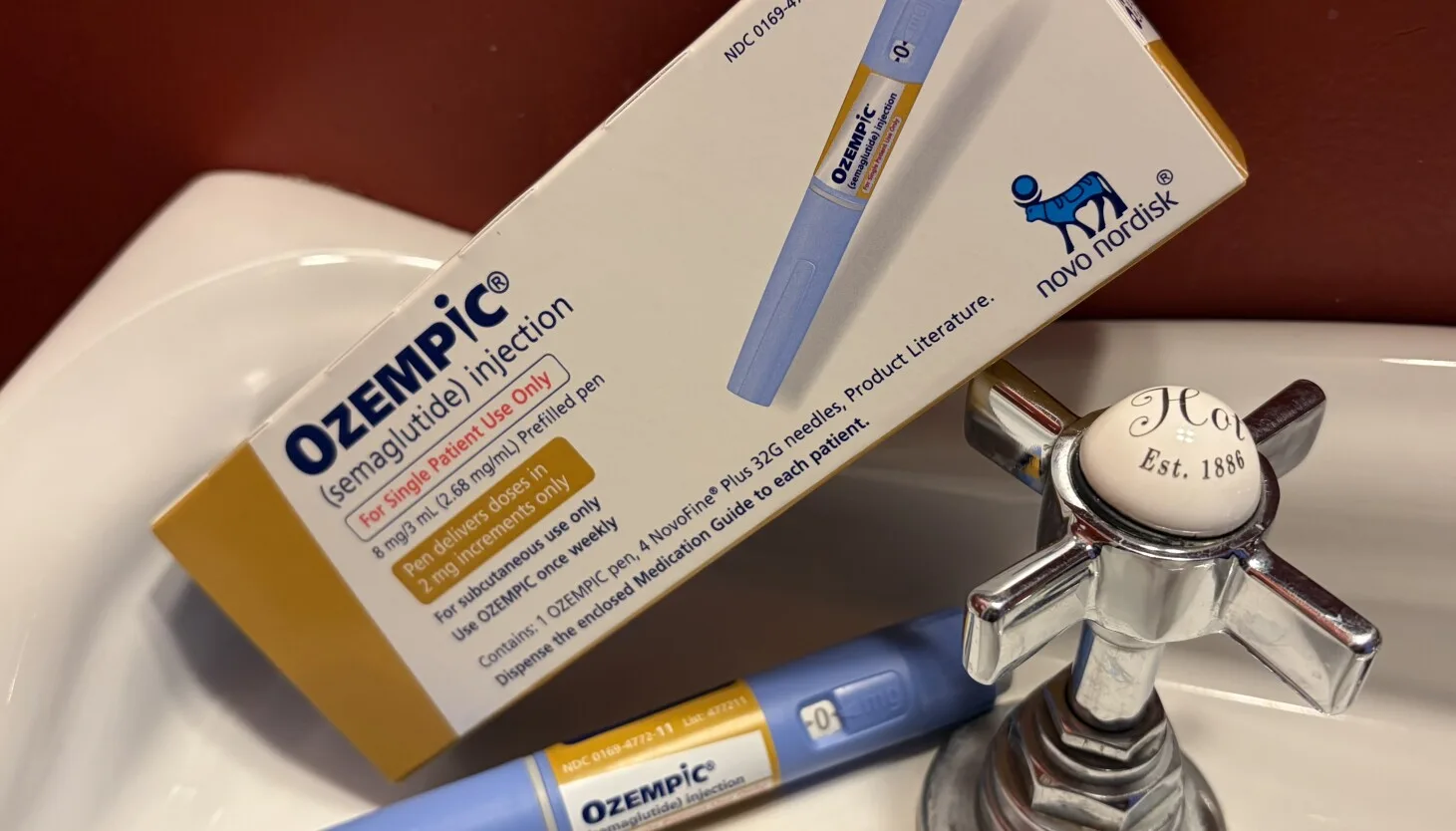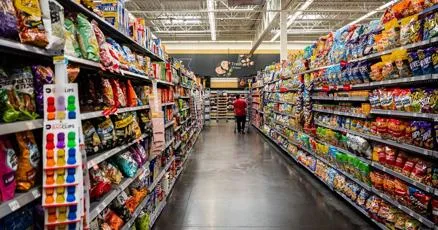

Fiber has quietly become the darling of nutrition trends, outshining even protein in consumer interest. Driven by a focus on gut health, digestion, and metabolic benefits, the 'fibermaxxing' movement—popularized on TikTok—is pushing people to pack more fiber into every meal. For those on GLP-1 medications like Ozempic, Wegovy, Mounjaro, or Zepbound, this trend holds special promise: fiber naturally stimulates GLP-1 production, mimicking the drugs' satiety effects while addressing common gastrointestinal side effects.
The Rise of Fibermaxxing: From TikTok to Grocery Aisles
Younger consumers, especially Gen Z, are prioritizing stomach health, linking it to clearer skin, sharper cognition, and sustained energy. Data from Dataessential shows 52% of consumers want to try fibermaxxing after hearing about it, with 42% viewing 'high-fiber' labels as inherently healthier. This builds on prior trends like hydration (Liquid I.V.) and protein dominance, creating a 'perfect storm' for fiber, as noted by NIQ's Sherry Frey.
Major brands are responding aggressively. PepsiCo's CEO Ramon Laguarta declared on an October earnings call that 'fiber will be the next protein,' citing widespread U.S. deficiencies—over 90% of women and 97% of men fall short of recommendations. PepsiCo launched Pepsi Prebiotic Cola with added fiber post-Poppi acquisition and plans enhancements for SunChips, Smartfood popcorn, and Propel. McDonald's CEO Chris Kempczinski hinted at fiber's 2026 boom. Whole Foods forecasts more fiber-forward packaging, while Thrive Market reports a 30% surge in fiber-related searches for snacks and supplements.
Private labels like Walmart's Bettergoods and Aldi's relaunches offer affordable legume-based chips, puffed crackers, and meal bars. Yet, taste remains key—consumers pay premiums for palatable plant-based options, but experts caution against over-relying on processed foods.
The Science: How Fiber Triggers Natural GLP-1
GLP-1 (glucagon-like peptide-1) is the hormone powering drugs like semaglutide (Ozempic, Wegovy) and tirzepatide (Mounjaro, Zepbound). It slows gastric emptying, signals fullness to the brain, and regulates blood sugar. Remarkably, dietary fiber—especially soluble types—naturally boosts GLP-1 secretion.
In the gut, soluble fiber (from oats, beans, fruits) ferments via microbiota into short-chain fatty acids (SCFAs) like butyrate. These SCFAs activate L-cells in the colon, prompting GLP-1 release. A 2019 study in Cell Metabolism found high-fiber diets increased post-meal GLP-1 by 20-30% in healthy adults, enhancing satiety and reducing calorie intake by up to 10%. For GLP-1 med users, this synergy combats nausea or constipation; fiber bulks stool and eases motility.
Fiber Types and Metabolic Benefits
- Soluble Fiber: Forms a gel, lowers cholesterol (binds bile acids), stabilizes blood sugar. Sources: Psyllium, apples, chia. Clinical data: 5-10g/day reduces LDL by 5-10% (per meta-analyses in Annals of Internal Medicine).
- Insoluble Fiber: Adds bulk, speeds transit. Sources: Wheat bran, vegetables. Prevents diverticulitis, aids weight control.
Overall, high-fiber diets (30+g/day) link to 15-20% lower obesity risk, per NHANES data. They improve insulin sensitivity—crucial for metabolic health—and support microbiome diversity, reducing inflammation tied to diabetes and heart disease.
'Fiber has been proven to trigger a naturally occurring GLP-1 in our bodies,' notes Sherry Frey, aligning perfectly with the GLP-1 drug era.
Daily Fiber Needs and Safe Fibermaxxing
U.S. guidelines recommend 25g/day for women, 38g for men (14g/1000 calories). Yet, average intake hovers at 15g, fueling deficiencies. Paul Kriegler, RD, endorses the trend but prioritizes whole foods: 'Eat a pile of vegetables the size of your head every day.'
Precision tracking for your journey
Join thousands using Shotlee to accurately track GLP-1 medications and side effects.
📱 Get the Shotlee App
Track your GLP-1 medications, peptides, and health metrics on the go with our mobile app!
Top Natural Fiber Sources
- Legumes (black beans: 15g/cup cooked)
- Vegetables (broccoli: 5g/cup)
- Fruits (raspberries: 8g/cup)
- Whole grains (quinoa: 5g/cup)
- Nuts/seeds (chia: 10g/oz)
Increase gradually (5g/week) to avoid bloating, gas, or cramps—common with sudden jumps. Hydrate well (8-10 cups water/day) as fiber absorbs fluid. For GLP-1 users, fiber mitigates delayed emptying; track intake with apps like Shotlee to monitor nutrition, symptoms, and side effects alongside meds.
Processed Fiber Products: Convenience vs. Nutrition
While innovative (e.g., fiber sodas), these often use chicory root inulin or resistant starch—less effective than whole-food fiber matrices. The 2025 Dietary Guidelines emphasize 'real food' like fiber-rich grains over ultra-processed items, which may spike blood sugar despite labels.
A Nutrients review found whole-food fiber outperforms supplements for GLP-1 response and gut diversity. Prioritize produce aisles over snacks for co-nutrients (vitamins, phytonutrients) that amplify benefits.
Fiber for GLP-1 Medication Users: A Perfect Pair
GLP-1 agonists excel for 15-20% weight loss but cause GI issues in 20-40% of users (nausea, constipation). Fiber counters this: A trial in Diabetes Care showed 25g/day soluble fiber reduced constipation by 50% in semaglutide patients. It sustains drug-induced GLP-1 spikes, potentially lowering doses long-term.
Combine with protein for synergy—fiber slows carb absorption, protein adds satiety. Tools like Shotlee help log meals, track bowel habits, and correlate with med efficacy.
Potential Downsides and Expert Tips
Excess fiber (>70g) risks nutrient malabsorption or blockages. Those with IBS should favor low-FODMAP fibers (oats over beans). Consult physicians, especially on GLP-1s, for personalized plans.
Practical Tips:
- Start breakfast with oatmeal + berries (10g fiber).
- Snack on popcorn or edamame.
- Aim for half-plate veggies per meal.
- Supplement psyllium if needed (e.g., Metamucil), but food first.
Conclusion: Embrace Fiber for Lasting Metabolic Health
Fiber's ascent isn't hype—it's evidence-based support for gut integrity, natural GLP-1, and weight management. While food companies innovate, true fibermaxxing thrives on whole foods, complementing GLP-1 therapies beautifully. Boost intake mindfully for profound, sustainable gains in digestion, satiety, and vitality. Your gut—and waistline—will thank you.