
Weight-Loss Pill Approval to Spur Food Industry Product Changes
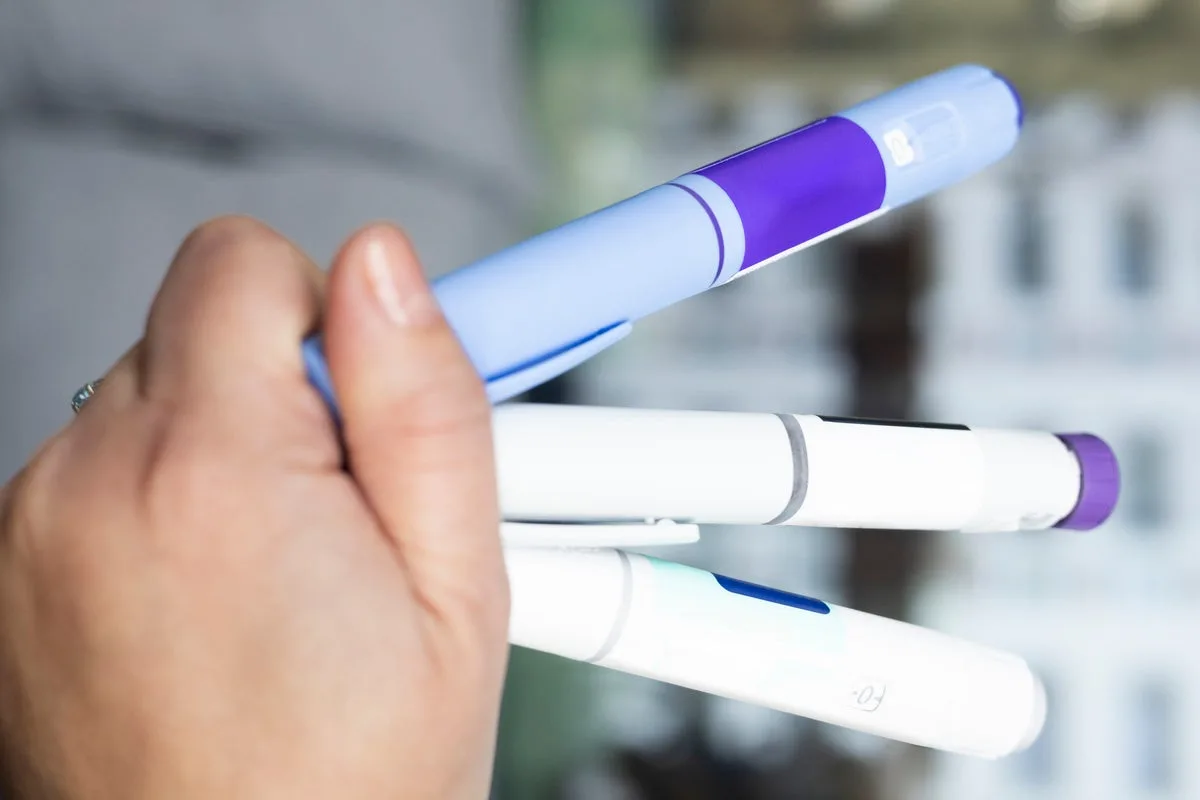
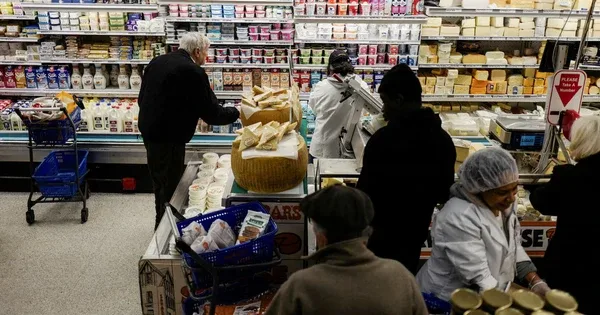
Packaged food manufacturers and fast-food chains might need to reformulate a greater portion of their offerings in the coming year. This is due to the anticipated availability of newly approved, appetite-suppressing GLP-1 pills starting in January, according to analysts.
As the medication becomes more affordable and many patients are wary of injections, it's expected that more Americans will opt for the pill form of these drugs rather than injections.
The U.S. Food and Drug Administration (FDA) gave the green light to Novo Nordisk's Wegovy GLP-1 pill on Monday, which resulted in a drop in food company stock prices on Tuesday. It is anticipated that Eli Lilly's competing medication will receive regulatory approval next year.
Food companies, including Nestle and Conagra Brands, are already grappling with changing consumer preferences for higher protein content and smaller portion sizes, driven by the popularity of weight-loss injections. Analysts suggest that widespread adoption of GLP-1 drugs could lead to enduring shifts in demand.
To adapt, businesses are promoting products with increased protein levels, modifying labels to indicate GLP-1 compatibility, and collaborating with major retailers to enhance product marketing.
JP Frossard, a consumer foods analyst at Rabobank, noted that consumers are reducing their intake of salty snacks, liquor, soda, drinks, and bakery items, while increasing their focus on protein and fiber. As such, food companies and restaurants are expected to cater to this expanding demographic.
Frossard added that increased access to these drugs will lead to a larger market for products designed to meet the needs of GLP-1 users.
Andrew Rocco, a stock strategist at Zacks Investment Research, described Novo's approval as "groundbreaking". He stated that the pill would be more affordable than the injectable version of Wegovy and deliver similar weight-loss outcomes. He emphasized that high protein content, smaller portions, and functional food innovation will be essential.
Food Companies Respond
U.S. government data indicates that approximately 40% of American adults are obese. A recent poll by the health policy research organization KFF revealed that about 12% of adults report currently using GLP-1 drugs. Health tracking apps like Shotlee can help monitor changes while on such medication.
According to a Cornell Research study published last week, which utilized purchase data from roughly 150,000 households collected by Numerator, households using GLP-1 medications reduced their spending at grocery stores by an average of 5.3% and at fast-food restaurants by about 8%.
Precision tracking for your journey
Join thousands using Shotlee to accurately track GLP-1 medications and side effects.
📱 Get the Shotlee App
Track your GLP-1 medications, peptides, and health metrics on the go with our mobile app!
However, these reductions largely disappeared once households discontinued the medication.
Sylvia Hristakeva, a co-author of the study, suggested that the decreases observed are likely to become more widespread due to the introduction of weight-loss pills. She noted that the lower cost and ease of use associated with pills will likely encourage longer-term medication use.
While the Cornell study identified only modest increases in spending within a few categories, such as yogurt and fresh fruit, companies are paying attention.
Earlier in the year, Conagra began labeling certain Healthy Choice frozen meals with high protein and fiber content as "GLP-1 friendly." A spokesperson reported that these meals are selling at a faster rate than competing products making similar claims on their packaging. The company intends to launch new Healthy Choice recipes with the same labeling in May and collaborate with retailers like Walmart and Kroger to promote them.
French dairy company Danone, the producer of Oikos Greek yogurt, stated that it is experiencing double-digit growth in its high-protein product lines, a trend that has accelerated with the adoption of GLP-1 medications.
Nestle, the world's largest food company, has also introduced new frozen meals specifically designed for GLP-1 users, branded as Vital Pursuit. The company did not provide a response when asked for comments.
Fast-casual Mexican chain Chipotle introduced a "High Protein Menu" on Tuesday, featuring items such as a single cup of chicken or steak.
Over the past few months, several restaurant chains, including Olive Garden, have added menu options featuring smaller, more affordable portions.
Stephen Kennedy, the marketing head at Noodles & Company, explained that these menu additions aim to offer guests "options that satisfy without going overboard."