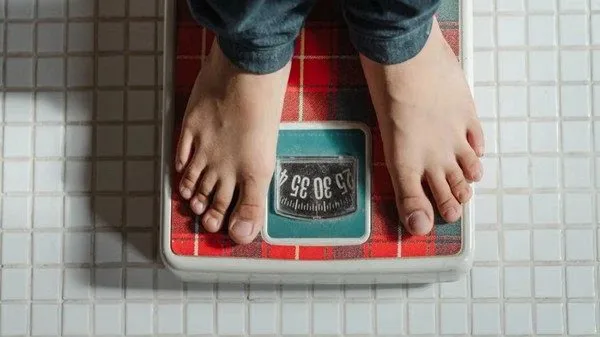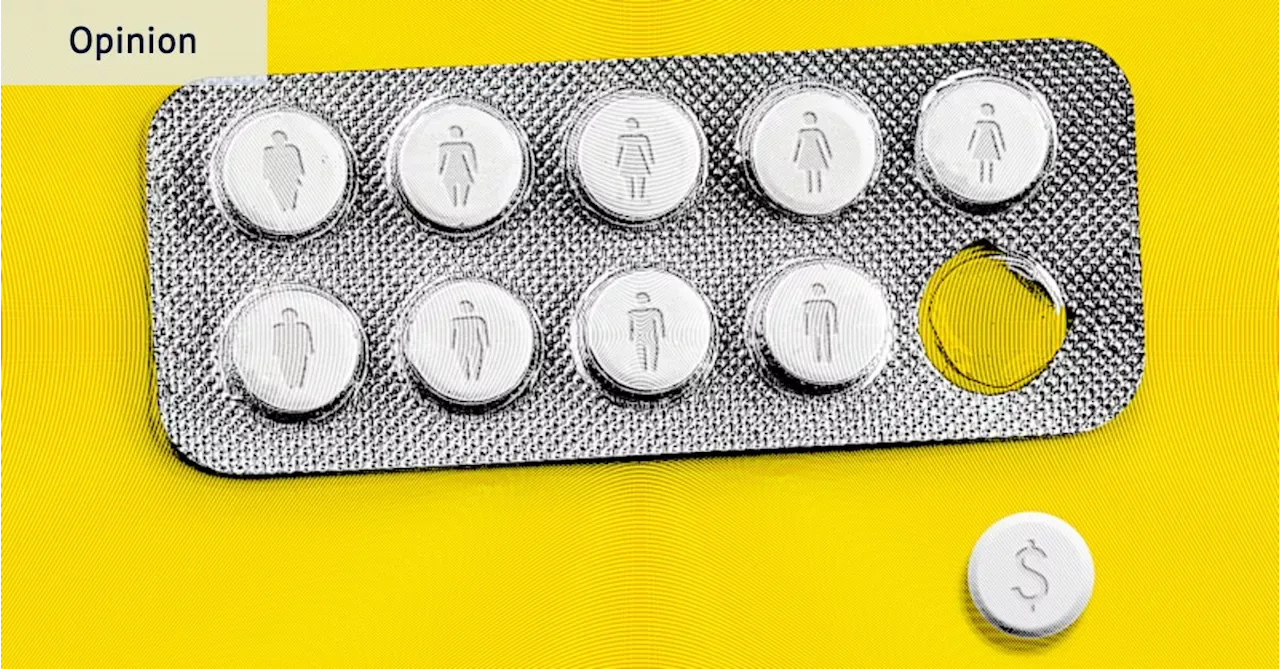

Emerging pharmaceuticals for shedding pounds and proven surgical interventions display outstanding results, but their elevated costs and restricted coverage by insurers render them unreachable for a significant segment of society, intensifying disparities in well-being.
Contemporary healthcare has finally uncovered ways to alter the trajectory of one of the major pandemics of our era, although the benefits of this progress are accessible solely to those with the financial means. The introduction of GLP-1 receptor agonists, including semaglutide and tirzepatide, has shifted weight reduction from an unpredictable aspiration into an almost reliable physiological process.
These drugs function by altering hunger cues, delaying stomach emptying, and enhancing blood sugar control, with their impact on body weight often surpassing surgical outcomes. In research studies, participants typically shed about 15 percent of their initial body mass, and in certain scenarios up to 20 percent. Nevertheless, for numerous individuals, these advancements feel like they exist in a parallel reality—the monthly expense can surpass $1000, and few insurance providers or public systems provide coverage.
Bariatric procedures present a comparable narrative through a more invasive approach. They have demonstrated the ability to reduce long-term death rates by half among those with extreme obesity and induce remission of type 2 diabetes in nearly 60 percent of patients, yet in most nations, they are mostly available to those who can cover substantial personal expenses, even with private coverage. Individuals reliant on public healthcare often face multi-year queues, during which complications like heart conditions, sleep apnea, or joint issues may emerge that could have been averted. In essence, the capability to combat obesity has shifted from a victory for public health to an advantage reserved for the wealthy.
The economic divide is unavoidable. The most budget-friendly calories in today's food landscape are those causing the most damage, and the commercial nature of food manufacturing ensures that calorie-rich, nutrient-deficient items prevail in the meals of those with minimal extra money. A household can acquire a large portion of fried snacks for less than a small collection of fruits, and in various urban areas, fresh items necessitate a bus trip instead of a stroll. When combined with lengthy travel, irregular shifts, and erratic child care, obesity ceases to appear as a lack of willpower. Instead, it emerges as a predictable fallout from societal and financial frameworks.
Even the quest for well-being has evolved into a commercial sector rather than a personal philosophy. Vast industries revolve around self-improvement concepts. Elite fitness centers with extensive waitlists, Pilates studios, cold plunges, specialized yoga venues, nutritionists, exercise specialists, personal coaches, and "wellness mentors" offer health via recurring fees. They pledge inspiration, endurance, and oversight, but require resources frequently lacking among the economically disadvantaged: spare time and extra funds.
This gap in opportunities carries repercussions extending beyond aesthetics or ease. We are subtly forging a community where lifespan and quality of living will split according to wealth. An infant born today in a low-income area might survive 10 fewer years than one in an affluent neighborhood just a short distance away. Those with ample finances will not only endure longer but also thrive better, with prolonged periods of mobility, autonomy, and mental sharpness. In contrast, others without such resources will experience premature aging, weighed down by the buildup of metabolic and heart-related ailments, frequently concluding their lives in poor health.
Precision tracking for your journey
Join thousands using Shotlee to accurately track GLP-1 medications and side effects.
📱 Get the Shotlee App
Track your GLP-1 medications, peptides, and health metrics on the go with our mobile app!
It's easy to link these results to personal decisions, yet such views obscure more than they clarify. The concept of "individual accountability" serves as a handy diversion, freeing society from addressing the systemic imbalances that foster illness initially. Advising individuals to "consume fewer calories and exercise more" insults those in environments without secure walking paths, where days conclude after sunset, and the closest budget-friendly eatery offers no fresh options.
Health, in this light, acts as both a reflection and an amplifier of disparity. To alter this path, we must recognize that excess weight is not a character flaw but a multifaceted societal ailment. Consequently, remedies need to focus on infrastructure rather than ethics. Availability of scientifically supported treatments should expand beyond private plans. Authorities that fund protracted expenses like dialysis, limb removals, and heart operations can certainly support the drugs and procedures preventing these issues.
Moreover, knowledge about health, frequently praised as a positive trait, increasingly serves as an elite benefit. The educated can interpret scientific studies, separate fact from promotion, and maneuver intricate medical networks. Those lacking this background rely on a jumbled array of corporate ads, traditional beliefs, and internet rumors. Funding authentic community instruction on diet and physical activity, provided in schools and local hubs instead of social media influencers, would produce benefits quantified in both savings and extended healthy years.
It's also essential to critique the morality of a framework that develops life-prolonging treatments yet limits them to the rich. We appropriately oppose withholding basic needs like water, housing, or schooling from the impoverished; why treat the ability to stay fit differently? The issue lies not in rapid scientific growth but in lagging policies and empathy. In reality, the inquiry into whether good health constitutes a contemporary indulgence is not mere debate—it's already a reality.
Extended life has emerged as the latest marker of prestige, with purchasing wellness via pills, surroundings, and professional advice supplanting overt extravagance from earlier eras. The affluent accumulate extra years like they once gathered artwork or estates. The sorrow lies in its avoidability. Widespread availability of tested interventions, fair pricing for food, inclusive city planning, and commitments to widespread health education are not luxuries. They represent the basic demands of a compassionate and progressive civilization.
Health tracking apps like Shotlee can help monitor progress in weight management and overall well-being.