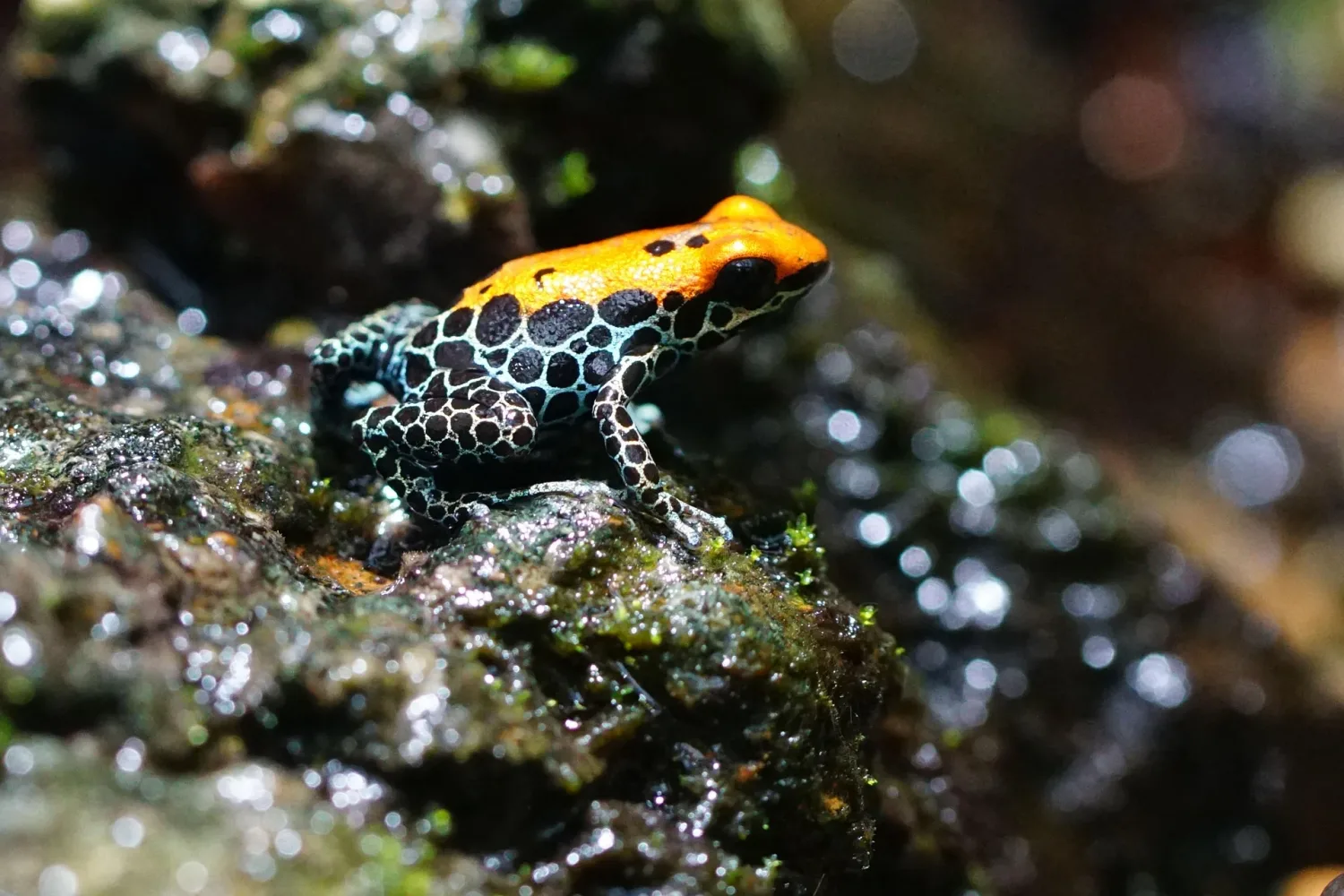

In a groundbreaking study, scientists have shown that certain species of wasps and frogs share a pain and inflammation peptide similar to bradykinin found in vertebrates. This adaptation helps them defend against predators and contributes to a shifting view of evolutionary biology, particularly regarding bradykinin-like peptides in wasps and frogs. Led by researchers at The University of Queensland's Institute for Molecular Bioscience, the international study demonstrates these peptides evolved independently in animals without shared ancestry.
The Key Discovery and Its Implications
The findings overturn decades of assumptions about the origins of these peptides. "Scientists previously believed bradykinin‑like peptides in wasp venom and frog skin secretions were simply their versions of the vertebrate peptide," said lead author Dr. Sam Robinson. "Instead, our research shows they are evolutionary doppelgängers - molecules that look the same but evolved independently."
This revelation challenges the traditional view that such similarities stem from common ancestry. Instead, it points to convergent evolution, where unrelated species develop analogous traits under similar selective pressures—like the need to deter predators through pain induction.
Understanding Bradykinin in Vertebrates
To grasp the significance, it's essential to understand bradykinin in vertebrates. Bradykinin is a peptide that plays a critical role in wound healing and pain signalling. Produced from the kininogen gene, it binds to specific receptors (B1 and B2) on cell surfaces, triggering inflammation, vasodilation, and heightened pain sensitivity. This response helps vertebrates respond to injury but becomes a weapon when mimicked by prey species.
In medical contexts, bradykinin dysregulation is linked to conditions like hereditary angioedema and certain inflammatory disorders. Dysregulated bradykinin pathways can cause excessive swelling and pain, highlighting why mimicking this peptide is an effective defense strategy.
Why Predators Avoid These Toxins
Predators such as mammals, birds, and fish experience intense pain upon encountering these mimics, associating the prey with danger. This behavioral aversion provides a survival edge, even if vertebrates often prey on insects and amphibians.
Mechanisms in Wasps: Venom as a Defense Tool
Various wasp species rely on venom for defense. The study found that bradykinin-like toxins in wasps strongly activate bradykinin receptors in mammals and birds, triggering pain responses similar to the natural vertebrate peptide. These toxins derive from distinct toxin gene families, not the vertebrate kininogen gene.
Each lineage across multiple wasp families evolved these molecules separately, often multiple times. This repeated independent evolution underscores the potency of pain-mimicking as a survival tactic in venomous insects.
Frog Skin Secretions: A Parallel Strategy
Frog species employ a similar approach through skin secretions containing bradykinin mimics that match the peptide structure targeted at mammal, bird, and fish predators. Experiments confirmed that frog bradykinin receptors do not respond to these mimics, proving they evolved specifically as a defensive weapon rather than for the frogs' own physiology.
Precision tracking for your journey
Join thousands using Shotlee to accurately track GLP-1 medications and side effects.
📱 Get the Shotlee App
Track your GLP-1 medications, peptides, and health metrics on the go with our mobile app!
These secretions are deployed upon threat, releasing the peptides to inflict pain on attackers. The independent evolution across multiple frog families mirrors the wasp pattern, reinforcing the idea of 'toxic evolution' driven by predation pressure.
Experimental Evidence from the Study
The research meticulously traced the genetic origins, showing derivation from toxin gene families unique to each group. Functional assays demonstrated receptor activation in predator species:
- Wasps' peptides potently activated mammalian and avian B2 receptors.
- Frogs' mimics targeted a broad range of vertebrate receptors without affecting their own.
Phylogenetic analysis confirmed no shared ancestry for these peptides, solidifying the doppelgänger concept.
Evolutionary Biology Insights: Convergent Evolution in Action
This study exemplifies convergent evolution, where distantly related species arrive at similar molecular solutions. In peptides like bradykinin, structural convergence allows non-vertebrates to hijack vertebrate pain pathways. Such findings broaden our understanding of toxin diversity and could inform fields like pharmacology, where peptide mimics are designed for therapeutic pain modulation or as research tools.
Historically, scientists assumed homology (shared ancestry) for similar peptides, but this work shifts paradigms toward functional convergence in defense chemistry.
Practical Implications for Research and Beyond
While focused on natural history, these insights have ripple effects. Understanding how nature crafts peptide toxins could inspire bioengineering of novel analgesics or anti-inflammatory agents. Researchers studying peptide-receptor interactions might draw parallels for drug development, emphasizing independent evolutionary paths.
For biologists, it highlights the dynamic nature of toxin gene families, which evolve rapidly under predation selection.
Key Takeaways
- Wasps and frogs produce bradykinin-like peptides that evolved independently from vertebrate bradykinin.
- These 'doppelgängers' derive from toxin genes and target predator pain receptors.
- The University of Queensland study, led by Dr. Sam Robinson, overturns prior assumptions.
- Multiple independent evolutions across wasp and frog lineages emphasize convergent evolution.
- Frog mimics do not affect their own receptors, confirming defensive intent.
Conclusion: Rethinking Peptide Origins
This research on wasps and frogs redefines how we view pain-mimicking peptides in nature. By preserving the core narrative of independent evolution and predator deterrence, it offers a comprehensive look at 'toxic evolution.' Readers interested in peptide signaling or evolutionary defenses should discuss these concepts with experts for deeper exploration. Stay informed on emerging studies in peptide biology for ongoing advancements.
(Word count: 1428)