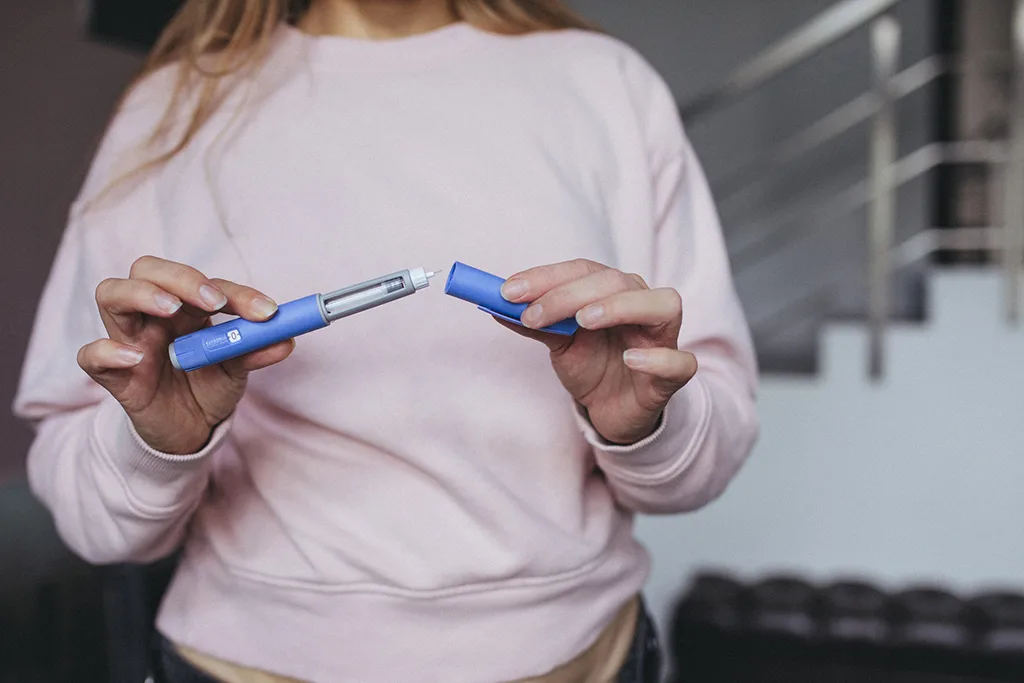

GLP-1 medicines reduce food cravings, increase feelings of fullness, and slow digestion, leading to less calorie intake overall.
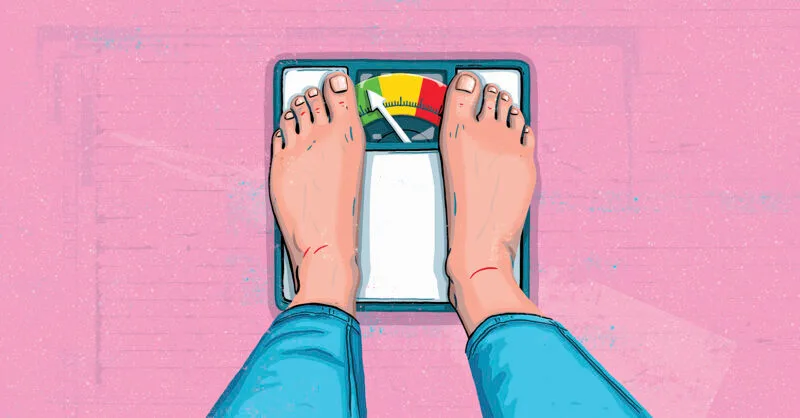
Malaysia leads ASEAN in obesity and overweight rates. Overweight adults make up 32.6% of the population, obese adults 21.8%, totaling 54.4%. Additionally, 29.8% of children are obese or overweight, and 21% of Malaysians have diabetes, with 80% of them obese or overweight.
The Health Ministry plans to introduce GLP-1 medicines for vulnerable groups in 2026, though specifics remain unclear. Prioritizing patient safety is essential.
How GLP-1 Medicines Work
GLP-1 medicines are receptor agonists mimicking the GLP-1 hormone released in the gut after eating.
When food is consumed, carbohydrates break down into sugars entering the bloodstream. GLP-1 triggers insulin release from the pancreas, helping move glucose into cells for energy.
In type 2 diabetes, cells resist insulin or production is low. These medicines boost insulin, curb glucagon, control blood sugar, reduce hunger via brain signals, and delay stomach emptying.
Approved for type 2 diabetes management in Malaysia since 2007 and obesity since 2019, over 30 GLP-1 medicines are registered as of 2025. Some target diabetes, others weight loss or overweight with comorbidities.
Side Effects of GLP-1 Medicines
Common side effects are gastrointestinal: nausea, vomiting, diarrhea—typically mild, moderate, and short-lived.
Severe cases may cause dehydration needing hospitalization. Pancreatitis is rare but serious; seek immediate care for severe abdominal pain radiating to the back.
Other uncommon issues include:
Precision tracking for your journey
Join thousands using Shotlee to accurately track GLP-1 medications and side effects.
📱 Get the Shotlee App
Track your GLP-1 medications, peptides, and health metrics on the go with our mobile app!
- Rapid weight loss causing "Ozempic face": hollow cheeks, wrinkles, sunken eyes, sagging jowls—less noticeable with gradual loss. Plastic surgery can address significant changes.
- Sexual effects: potential improvements from weight loss, but variable libido or arousal declines.
Full side effects list in product info. Recent reviews show little effect on obesity-related cancers (thyroid, breast, pancreatic, kidney, etc.) and no causal link to depression or suicide.
Precautions for GLP-1 Use
Avoid in pregnancy, preconception, or breastfeeding due to insufficient safety data. Stop duration varies by medicine before trying to conceive.
Oral contraceptive users: add barrier methods (e.g., condoms) for 4 weeks after starting or dose increases, as GLP-1s may reduce efficacy in overweight/obese. Consider non-oral options like IUDs or implants.
Before surgery, inform providers—delayed stomach emptying raises aspiration risk under anesthesia, requiring adjusted protocols.
Key Awareness Points
GLP-1 medicines are Group B poisons needing prescriptions. Illegal to buy over-the-counter or from unlicensed sellers; self-medication risks severe harm.
Misuse for cosmetic weight loss raises concerns. Global demand fuels counterfeits with wrong doses, toxins, or no active ingredient, causing hypoglycemia, heart issues, and high treatment costs.
Apps like Shotlee can help track doses safely under medical supervision.
Guidelines for Prescribing GLP-1s
Malaysia's Clinical Practice Guidelines for Obesity Management recommend GLP-1s for BMI >30 kg/m² or >27 kg/m² with conditions like hypertension, type 2 diabetes, or dyslipidemia.
WHO's 2025 guideline emphasizes comprehensive strategies beyond drugs.
WHO Good Practice Statements
- Regulated prescription and distribution
- Strong oversight
- Patient education
- Stakeholder cooperation
Implementation in Ministry facilities is pending. Safe use demands protecting public health through education and regulation.