Prescription weight loss medications represent a growing category of treatments for obesity and overweight, with eight types of weight loss medications approved to address these conditions. As more people seek effective solutions, understanding the types of weight loss medications is crucial. These drugs work differently, and the best weight loss pills depend on your goals, unique circumstances, side effects, cost, availability, and overall health impact. It can take time to find weight loss pills that actually work for you, but knowing the options helps streamline the process.
Diet pills such as lipase inhibitors slow fat absorption and work best with a low-fat diet. Continue reading to learn more about the types of weight loss medications, how they function, and practical steps to find one that suits you.
Understanding How Weight Loss Medications Work
The various types of weight loss medications work in different ways, targeting appetite, hormone signals, fat absorption, or cravings. If one type doesn't work for you, another might. This diversity allows healthcare providers to tailor treatments to individual needs, such as metabolic factors or co-existing conditions like diabetes.
Clinically, these medications are prescribed for chronic weight management alongside diet and exercise. They address obesity as a medical condition, not a lifestyle issue alone, helping patients achieve sustainable results. For context, obesity affects millions, increasing risks for heart disease, type 2 diabetes, and joint problems—making effective medications a valuable tool.
GLP-1 Receptor Agonists: The Newest and Most Popular Class
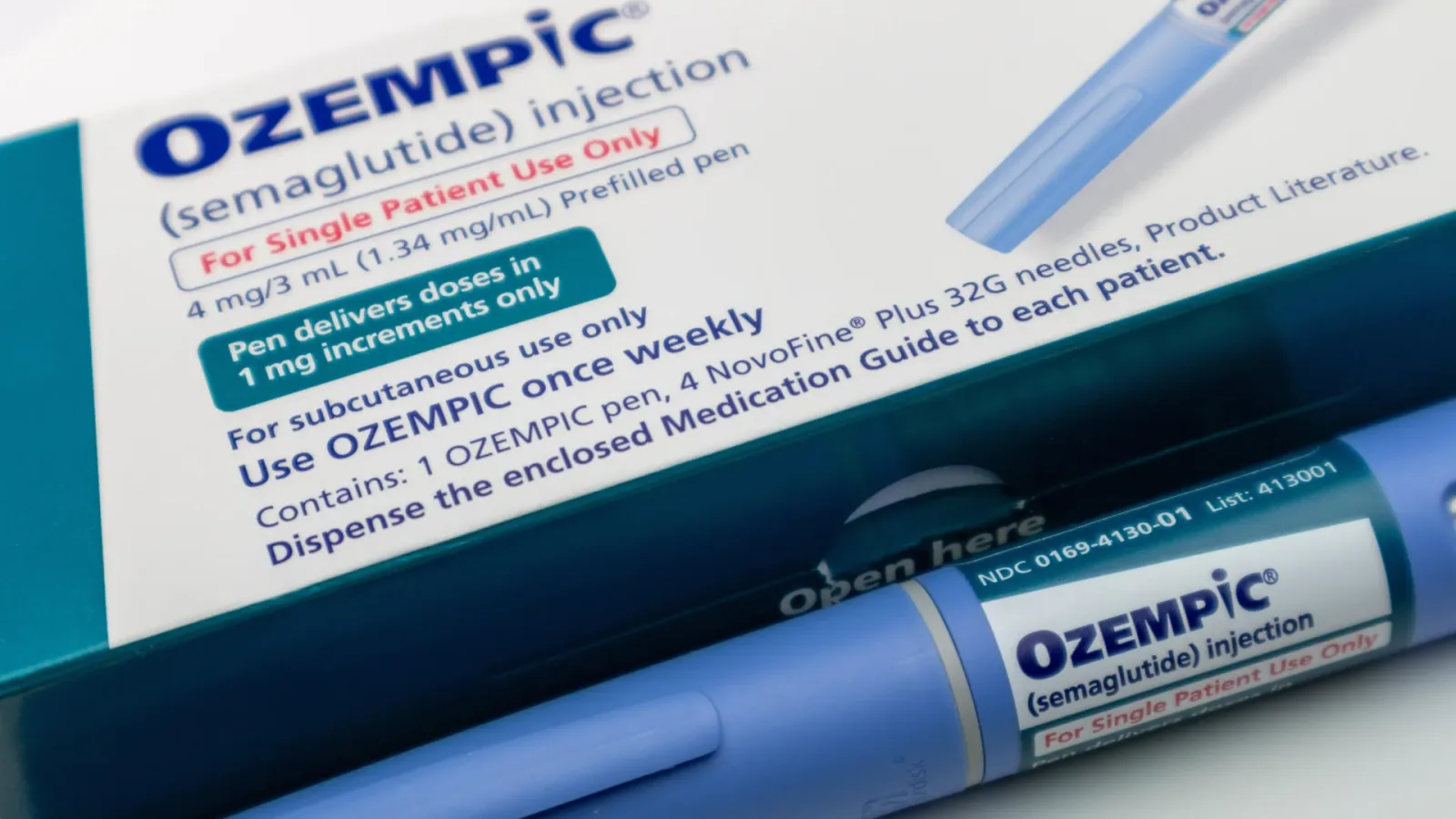
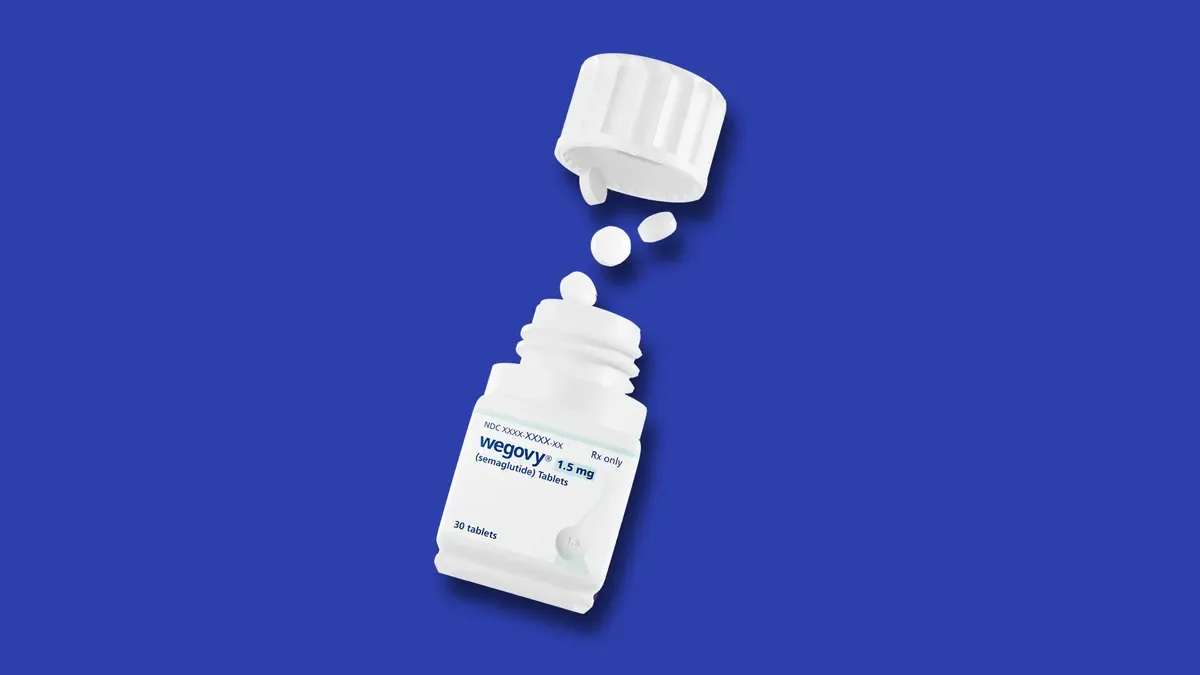
The GLP-1 receptor agonists are the newest class of weight loss drugs and are receiving lots of attention. They work by mimicking a hormone called glucagon-like peptide-1 (GLP-1), which is naturally released after eating. This hormone triggers insulin release to manage blood sugar, sends a signal to the brain that you are full, and slows gastric emptying in the gut to prolong satiety.
These medications promote greater weight loss compared to other classes, which is why many view them as weight loss pills that actually work. Research highlights their superior efficacy, often leading to 10-15% body weight reduction in clinical trials, though individual results vary. The approved GLP-1 receptor agonists include several options, positioning them as a first-line choice for eligible patients.
Why GLP-1s Matter for Metabolic Health
Beyond weight loss, GLP-1 receptor agonists support metabolic health by improving insulin sensitivity and reducing inflammation. Patients often report fewer cravings and better portion control, making adherence easier. However, they require weekly injections for some formulations, which may influence patient preference.
Stimulant-Based Weight Loss Medications
Stimulants have a long history in weight loss treatment. One stimulant approved for weight loss is Qsymia.
Qsymia combines two active ingredients: phentermine, a sympathomimetic amine similar to amphetamines that suppresses appetite, and topiramate, an anti-seizure medication that enhances satiety and may reduce calorie intake. Together, they can lead to a weight loss of 5% to 10% of body weight within a year.
Phentermine has been used for decades and remains the most widely prescribed weight loss treatment due to its oral pill form and short-term efficacy. It's often used for 12 weeks but can be extended under supervision.
Safety Considerations for Stimulants
Stimulants like Qsymia and phentermine can increase heart rate and blood pressure, so they're not suitable for everyone. Common side effects include insomnia, dry mouth, and nervousness. Patients with heart conditions should discuss risks thoroughly. Monitoring with tools like Shotlee for tracking symptoms can help log these effects and share data with providers.
Contrave: Targeting Cravings with a Unique Combination
Contrave is a weight loss pill featuring two active ingredients: naltrexone, an opioid antagonist used for substance use disorders, and bupropion, an antidepressant that aids smoking cessation. This duo decreases food cravings and promotes fullness by influencing brain reward pathways and norepinephrine/dopamine activity.
People taking Contrave usually lose about 5% of their body weight, with about 1 in 5 people losing 10% or more. It's taken as oral tablets, twice daily, and works well for those with emotional eating patterns.
Precision tracking for your journey
Join thousands using Shotlee to accurately track GLP-1 medications and side effects.
📱 Get the Shotlee App
Track your GLP-1 medications, peptides, and health metrics on the go with our mobile app!
Comparing Contrave to Stimulants
Unlike stimulants, Contrave avoids amphetamine-like effects, making it preferable for patients sensitive to those. However, it may cause nausea or headache initially. Both Qsymia and Contrave achieve similar average losses (5-10%), but Contrave's mechanism suits binge-eating tendencies better.
Fat Absorption and Formation Inhibitors
Some diet pills limit fat absorption or fat deposit formation. Within this category, there are two main types of weight loss pills, including an over-the-counter option.
Lipase inhibitors, like prescription orlistat (Xenical) and OTC alli, block pancreatic lipase enzymes, preventing about 25-30% of dietary fat from being absorbed. This reduces calorie intake from fats but requires a low-fat diet to minimize gastrointestinal side effects like oily stools or urgency.
Practical Use and Limitations
These are ideal for high-fat diet consumers but less effective alone (3-5% weight loss). They complement lifestyle changes without systemic effects, appealing to those avoiding brain-targeted drugs.
Cost, Accessibility, and Alternatives
Weight loss medications can be very expensive, especially GLP-1 receptor agonists, which cost about $1,000 per month. Many insurers do not cover them or require trying other weight loss pills first. Lower-cost options like phentermine or Contrave may be more accessible.
There are no generic forms of many newer pills, but compounding pharmacies offer versions with the same active ingredients at lower costs. These are not regulated by the FDA, introducing risks like inconsistent dosing or contamination—discuss with your doctor before considering.
If cost is prohibitive, weight loss surgery is often covered by insurance, offering a durable alternative for severe obesity.
Factors to Consider When Choosing a Weight Loss Medication
When deciding what weight loss medication is right for you, consider these factors:
- Mechanism and goals: Appetite suppression (stimulants), hormonal mimicry (GLP-1s), or fat blocking.
- Side effects: GI issues with GLP-1s/fat blockers; CNS effects with stimulants/Contrave.
- Cost and insurance: Prioritize covered options.
- Administration: Pills vs. injections.
- Comorbidities: GLP-1s for diabetes; avoid stimulants with hypertension.
Talking about weight can feel awkward, but higher BMI is a medical issue, not a shame. Your healthcare provider will discuss without judgment.
Eligibility Criteria for Prescription Weight Loss Medications
It helps to know the criteria for prescribing weight loss medications. Most are recommended for people who:
- Have a BMI ≥30 (obesity), or ≥27 with comorbidities like hypertension or diabetes.
- Have not achieved goals with diet/exercise alone.
- Are committed to lifestyle changes.
Your provider assesses these to ensure safety and efficacy. Remember, they're there to support you.
Key Takeaways: What This Means for Patients
- GLP-1 receptor agonists lead in efficacy but are costly; ideal for substantial loss.
- Qsymia and phentermine offer proven appetite control at lower costs.
- Contrave excels for cravings, with 5-10% average loss.
- Fat inhibitors suit mild cases with diet tweaks.
- Always pair with lifestyle; track progress and sides (consider apps like Shotlee).
- Consult providers for personalized fits—trial and error is common.
Conclusion: Finding Your Path to Effective Weight Management
Comparing types of weight loss medications empowers informed decisions. Preserve health by discussing options, monitoring responses, and viewing these as tools in a broader plan. With the right match, sustainable weight loss is achievable—start the conversation today for better metabolic health.