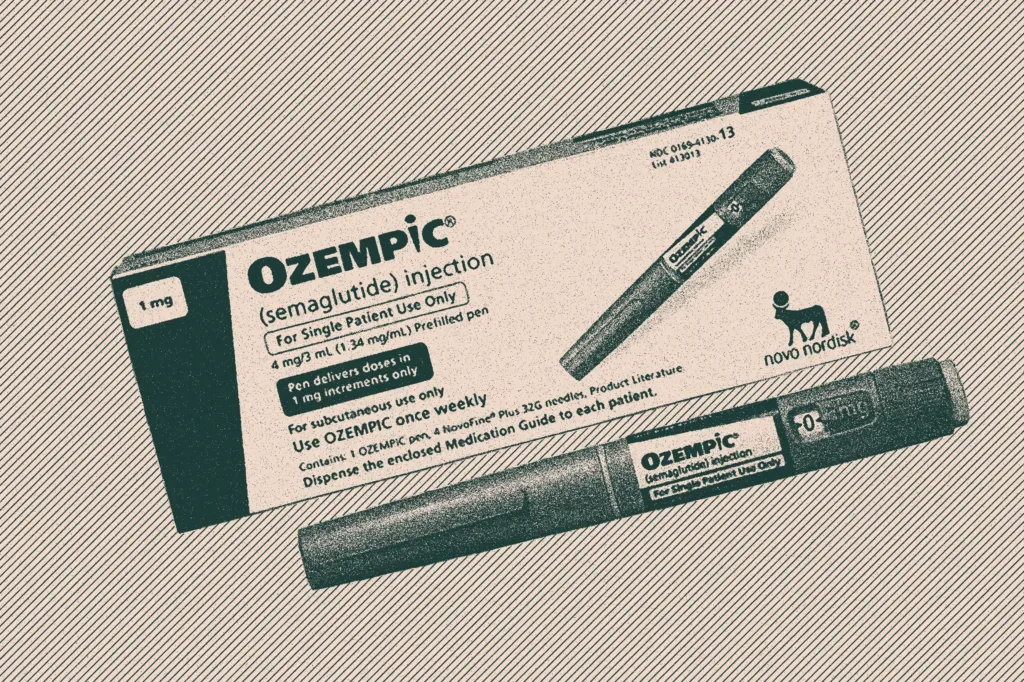

Two Emerging Developments Could Aid Future Lawsuits Demanding GLP-1 Coverage
For individuals and physicians advocating for GLP-1 medications in obesity treatment, coverage remains a significant obstacle. Currently, Medicare does not provide coverage for these drugs, and numerous private insurers exclude them from their formularies. Consequently, patients unable to afford out-of-pocket expenses for these medications often lack alternative treatment options.
While some patients have initiated legal action against their insurers to mandate coverage in recent years, these lawsuits have yet to succeed. However, two recent events have significantly reinforced the legal grounds for compelling GLP-1 drug coverage. These include an announcement projecting a substantial decrease in the cost of these medications and the World Health Organization's (WHO) declaration of obesity as a chronic disease requiring lifelong management.
The Significance of These Developments
The arguments against covering these medications have traditionally rested on two key points. First, obesity was perceived as a lifestyle or vanity condition, not warranting insurance coverage. Second, GLP-1 treatments were considered prohibitively expensive, making coverage financially unsustainable for insurers.
The WHO's declaration bolsters the increasing consensus among medical organizations that recognize obesity as a chronic, noncommunicable disease. Although obesity is often managed through diet and exercise, similar to other chronic conditions, designating it as such, with GLP-1s as a treatment, exposes the bias in attributing obesity to individual lifestyle choices. Unlike other diseases, individuals are not typically required to fail lifestyle interventions before receiving medication. Health tracking apps like Shotlee can help monitor progress and adherence to treatment plans.
No one willingly chooses to have obesity. Research indicates that individuals who successfully underwent surgical obesity treatment preferred blindness or limb amputation to regaining the lost weight. Furthermore, they would forgo substantial wealth to maintain their weight loss. Currently, no lifestyle-only approach has demonstrated scalability, durability, and reproducibility for significant weight loss, especially compared to the results achieved with GLP-1 medications. Moreover, prioritizing continuous lifestyle changes for health requires substantial privilege, demanding constant effort to overcome hunger and navigate challenging food environments.
Precision tracking for your journey
Join thousands using Shotlee to accurately track GLP-1 medications and side effects.
📱 Get the Shotlee App
Track your GLP-1 medications, peptides, and health metrics on the go with our mobile app!
The Impact of Reduced Costs
The projected cost reduction is a crucial development. Previous objections to GLP-1 coverage centered on their high cost. A widely cited analysis, an ICER report, cited the high costs of semaglutide. The report predicted limited long-term value for semaglutide at an annual cost of $13,600. The report projected cost benefits at annual semaglutide costs of $7500-$9800 per year.
The case for coverage becomes even stronger considering that the ICER report's cost-benefit analysis focused only on the cardiovascular and diabetes benefits of GLP-1 medications. It did not account for cost-related benefits to other conditions improved by GLP-1s, or improvements in presenteeism, absenteeism, and disability associated with their use. An upcoming ICER update addresses these shortcomings, concluding that both semaglutide and tirzepatide are highly cost-effective. This conclusion is based on assumed average monthly costs higher than the projected annual cost, specifically $6830 for semaglutide and $7973 for tirzepatide.
Looking Ahead
Legal cases would be further strengthened by existing insurer coverage of GLP-1 medications for other conditions, such as cardiovascular disease prevention, diabetes, or sleep apnea, often without requiring pre-approval. Considering that current plans readily cover medications with comparable or higher costs, the exclusion of obesity medications appears to be a discriminatory denial of equal access to treatment for a disabling chronic disease.
As evidence of cost savings from GLP-1 medications accumulates, insurers' actuarial assessments will likely acknowledge an acceptable return on investment at current or future prices. While an internally documented analysis would strengthen a legal case, sufficient evidence may already exist to pursue an impactful case. Even if unsuccessful in court, such a case could lead to settlements and voluntary plan changes, influence regulatory and employer policy, and establish a foundation for future cases with stronger data. This future certainty presents an opportunity for forward-thinking employers and insurers to benefit from being early adopters.
Approving these medications now, in addition to potential economic benefits from improved health profiles, allows companies to promote their inclusion in recruitment and retention campaigns, further enhancing the benefits of their policy inclusion.