
Type 2 diabetes affects millions worldwide, disrupting how the body processes sugar—a primary energy source. Normally, insulin shuttles sugar from the blood into cells, but in type 2 diabetes, insulin resistance leads to elevated blood glucose levels. Over time, this hyperglycemia damages organs, raising risks for heart disease, kidney failure, nerve damage, and vision loss. Effective management through medications, diet, and exercise is crucial to mitigate these complications.
A recent study spotlights tirzepatide as a promising option, demonstrating faster reductions in blood sugar and body weight compared to established treatments. Conducted by scientists at the East and North Hertfordshire NHS Trust and led by Dr. Adie Viljoen, the research underscores tirzepatide's potential to accelerate progress toward health goals.
What is Tirzepatide and How Does It Work?
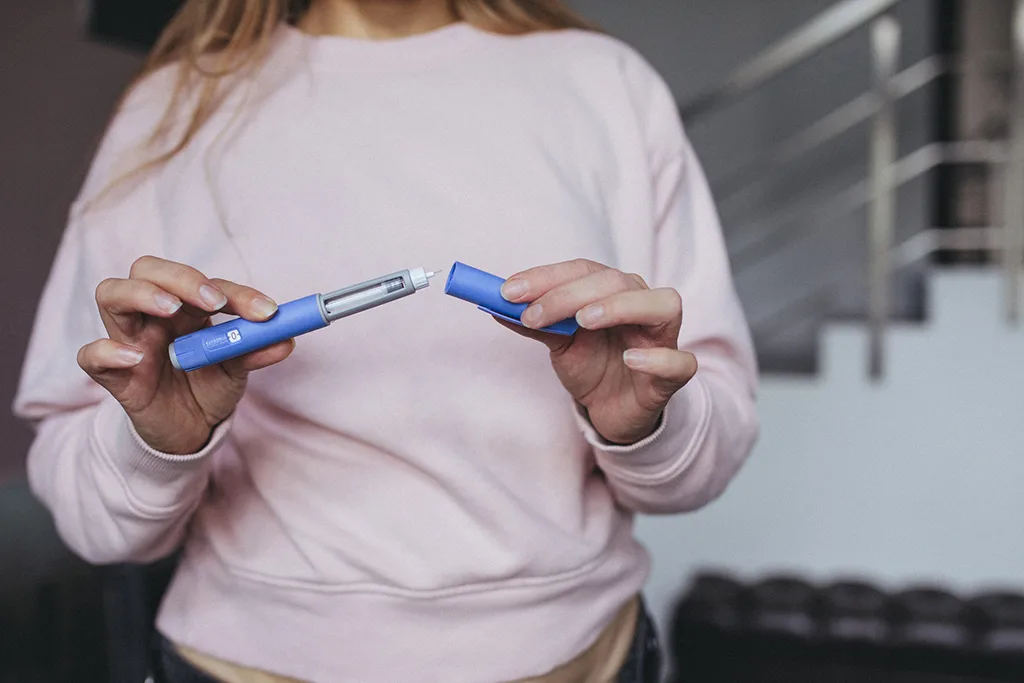
Tirzepatide, approved by the U.S. Food and Drug Administration in May 2022 for type 2 diabetes, stands apart from older therapies. Unlike traditional drugs, it mimics two gut hormones: GLP-1 (glucagon-like peptide-1) and GIP (glucose-dependent insulinotropic polypeptide). These hormones regulate post-meal blood sugar by enhancing insulin secretion, slowing gastric emptying, and curbing glucagon release—which prevents excess glucose production by the liver.
Additionally, tirzepatide's dual action suppresses appetite, promoting satiety and reducing calorie intake. This mechanism addresses both glycemic control and obesity, common in type 2 diabetes patients, where excess weight exacerbates insulin resistance.
The Study Design: Tirzepatide vs. Semaglutide and Insulin Degludec
The trial compared tirzepatide against semaglutide—an injectable GLP-1 receptor agonist—and insulin degludec, a basal insulin providing steady 24-hour coverage. Participants, all with type 2 diabetes, followed a healthy diet and took oral antidiabetic medications alongside their assigned injectables.
This head-to-head analysis evaluated real-world efficacy, focusing on time to achieve key milestones in HbA1c reduction and weight loss. HbA1c, a marker of average blood glucose over 2-3 months, is a gold standard for long-term control, with targets typically below 7% or stricter at 6.5% for many patients.
HbA1c Reduction: Faster Targets with Tirzepatide
Tirzepatide users reached an HbA1c below 7% in approximately eight weeks—four weeks ahead of semaglutide and insulin degludec, which took twelve weeks. For the more ambitious 6.5% target, tirzepatide achieved results in twelve weeks, versus sixteen weeks for semaglutide and twenty-four weeks for insulin degludec.
These timelines highlight tirzepatide's superior speed, potentially allowing quicker adjustments in therapy and earlier complication prevention.
Weight Loss Outcomes: Quicker and More Pronounced
Weight management is vital in type 2 diabetes, as even 5% loss improves insulin sensitivity and cardiovascular risk. Higher-dose tirzepatide (10 mg and 15 mg) enabled at least 5% body weight reduction within twelve weeks. Semaglutide users required twenty-four weeks for comparable loss, emphasizing tirzepatide's edge in dual benefits.
Precision tracking for your journey
Join thousands using Shotlee to accurately track GLP-1 medications and side effects.
📱 Get the Shotlee App
Track your GLP-1 medications, peptides, and health metrics on the go with our mobile app!
Why Faster Results Matter for Patients
Rapid improvements foster motivation, encouraging adherence to treatment and lifestyle changes. Dr. Adie Viljoen noted that quicker goal attainment empowers patients, enhancing their sense of control and reducing complication risks over time.
Earlier successes may lower dropout rates, a common challenge with chronic therapies. For overweight patients, prompt weight loss further amplifies benefits, creating a positive feedback loop for sustained health.
Safety Considerations and Patient Selection
While promising, tirzepatide isn't universal. Common side effects mirror other GLP-1/GIP agonists: gastrointestinal issues like nausea, vomiting, and diarrhea, often transient and dose-dependent. Rare risks include pancreatitis or thyroid tumors, per labeling.
Doctors tailor choices based on comorbidities (e.g., avoiding in gastroparesis), renal function, and preferences for weekly injections. Patients should discuss history, monitor for hypoglycemia (less common than with insulin), and track progress—apps like Shotlee can aid in logging symptoms, side effects, and schedules for better doctor consultations.
Comparisons to Alternatives
Semaglutide (e.g., Ozempic, Wegovy) excels in GLP-1 monotherapy but lags in dual-hormone speed here. Insulin degludec offers reliable basal control but risks weight gain and hypoglycemia without appetite benefits. Tirzepatide's profile positions it for patients needing accelerated dual outcomes, though cost and access vary.
Key Takeaways from the Study
- Tirzepatide achieves HbA1c <7% in 8 weeks vs. 12 weeks for semaglutide/insulin degludec.
- Stricter HbA1c ≤6.5% in 12 weeks (tirzepatide) vs. 16-24 weeks (others).
- 5% weight loss in 12 weeks at 10-15 mg doses, doubling semaglutide's pace.
- Dual GLP-1/GIP action drives faster glycemic and weight control.
- Quicker results boost motivation and long-term adherence.
What This Means for Type 2 Diabetes Patients
If managing type 2 diabetes, ask your doctor about tirzepatide, especially if weight loss or faster control is prioritized. Combine with diet, exercise, and monitoring for optimal results. This study bolsters evidence that newer incretin therapies like tirzepatide may transform management, offering hope for better outcomes.
Ongoing research will refine its role, but current data supports its use in suitable candidates to protect against diabetes complications.
Conclusion
Tirzepatide's ability to lower blood sugar and body weight faster, as shown in Dr. Viljoen's study, represents a significant advance. By preserving core mechanisms and results while expanding context, patients and providers gain actionable insights for personalized care. Consult healthcare professionals to determine fit.