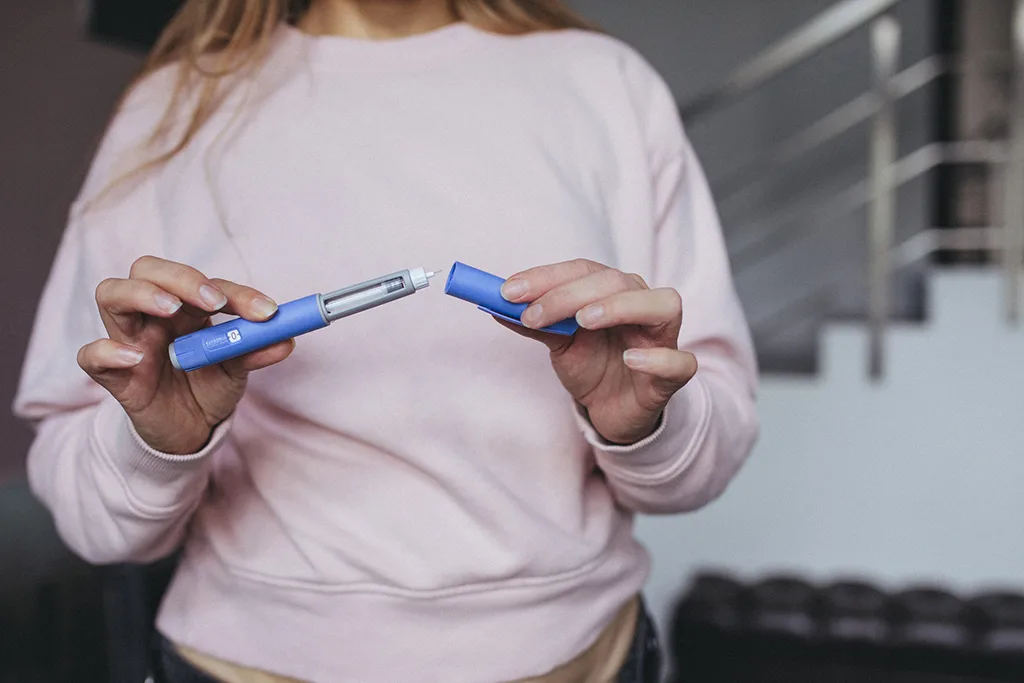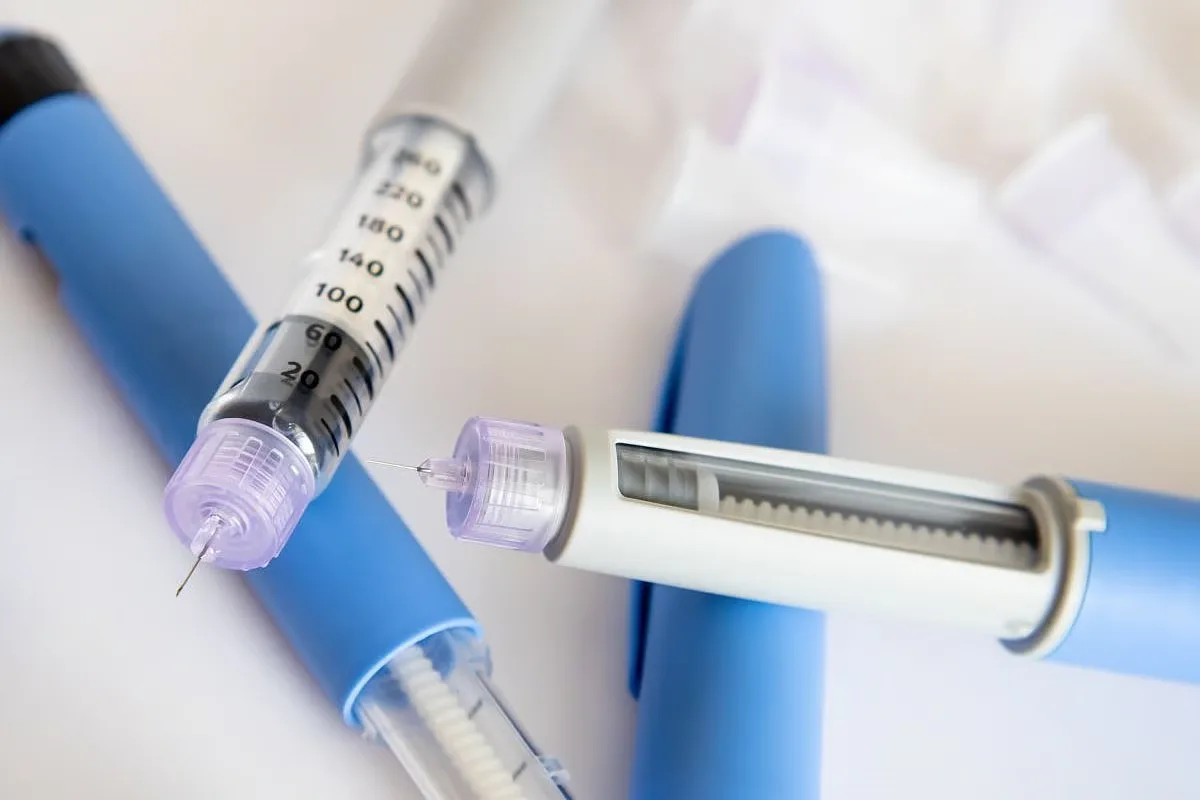

In the midst of booming demand for GLP-1 medications like semaglutide and tirzepatide, GLP-1 compounding has exploded into a largely unregulated market posing serious risks to patients. Federal regulators and lawmakers must ensure all medications are safe, contain high-quality ingredients, and meet rigorous production standards—especially now, amid what experts call "America's second obesity crisis." This exploitative telehealth-driven marketplace preys on regulatory gaps, selling untested compounded GLP-1 drugs unapproved by the Food and Drug Administration (FDA).
The Unregulated GLP-1 Compounding Crisis
Consumers are bombarded with false online information about GLP-1 medicines, leading to dosing errors and adverse reactions from compounded products. As of July 31, the FDA reported 1,150 reports of adverse events associated with compounded GLP-1 drugs, including hospitalizations and some deaths. This national threat extends beyond fraud to genuine patient harm from unvetted formulations.
GLP-1 drugs, such as Ozempic (semaglutide) and Mounjaro (tirzepatide), mimic hormones to regulate blood sugar, promote weight loss, and improve metabolic health. FDA-approved versions undergo extensive clinical testing for purity, efficacy, and safety. Compounded alternatives, however, bypass these safeguards, often sourced from questionable suppliers.
Why Compounding Exists and How It Went Wrong
Compounded drugs alter, mix, or combine ingredients for customized needs—like different dosages or forms—for one patient. Licensed compounding pharmacies are exempt from clinical testing, risk information provision, and adverse event reporting. During national shortages, the FDA permits mass production of compounded versions to bridge gaps.
From 2022 to early 2025, shortages of semaglutide and tirzepatide—driven by surging demand—created a "gold rush" for compounders. They exploited loopholes, advertising without risk disclosures and implying equivalence to FDA-approved drugs. Even after the FDA announced the shortage's end in March 2025, setting May 22 as the last day for compounded sales, large-scale production persists. Some now pivot to "personalized" versions with added vitamins or microdoses, never clinically evaluated.
Patient Risks in the Exploitative Marketplace
Bad actors sell active pharmaceutical ingredients (APIs) directly to consumers as powders labeled "not for human consumption" or "research chemicals," complete with dosing instructions. Patches, oral supplements, and other unproven forms proliferate. Patient safety experts highlight APIs often sourced from China, where quality varies and inspections are rare.
For patients, this means potential contamination, inconsistent dosing, and unknown interactions. Those managing obesity, type 2 diabetes, or metabolic conditions may turn to compounding for affordability or access, but without FDA oversight, risks outweigh benefits. Always consult a healthcare provider before starting any GLP-1 therapy, and discuss switching from compounded to approved versions post-shortage.
Precision tracking for your journey
Join thousands using Shotlee to accurately track GLP-1 medications and side effects.
📱 Get the Shotlee App
Track your GLP-1 medications, peptides, and health metrics on the go with our mobile app!
- Dosing errors: Inaccurate concentrations lead to under- or overdosing.
- Adverse reactions: Unknown impurities trigger severe side effects.
- Quality issues: Uninspected APIs compromise efficacy and safety.
Tools like Shotlee can help patients track symptoms and side effects from GLP-1 therapies, providing data to share with doctors for safer management.
Recent Regulatory Crackdowns and Responses
Consumer advocates cheered the Trump Administration's September 2025 crackdown on misleading direct-to-consumer advertising of prescription drugs. The FDA issued warning letters to over 55 online sellers of compounded GLP-1 medications, including telehealth giant Hims & Hers.
Undeterred, Hims & Hers launched a compounded copy of the first GLP-1 pill on February 5—just two months after FDA approval. FDA acted swiftly, forcing Hims to back down. This episode underscores the need for stronger enforcement.
FDA and Congressional Momentum
FDA Commissioner Marty Makary pledged to restrict APIs in non-FDA-approved compounded drugs. Congress introduced the Safeguarding Americans from Fraudulent and Experimental (SAFE) Drugs Act in both chambers, aiming to bolster FDA oversight, close loopholes, and mandate APIs from registered, inspected facilities meeting safety standards.
Compared to FDA-approved GLP-1s, compounded versions lack proven bioavailability and stability. Approved drugs like Wegovy or Zepbound offer reliable outcomes with monitored side effects (e.g., nausea, gastrointestinal issues), while compounded risks amplify these and introduce unknowns.
Key Takeaways for Patients and Providers
- Stick to FDA-approved GLP-1s: Post-shortage, prioritize semaglutide and tirzepatide from verified pharmacies.
- Verify sources: Avoid telehealth sellers without clear FDA compliance.
- Monitor health: Report adverse events to FDA MedWatch; use apps for symptom logging.
- Advocate for change: Support legislation like the SAFE Drugs Act.
Restoring Compounding to Its Intended Purpose
This is an inflection point. Lawmakers must prioritize patient safety, ensuring compounding returns to personalized, one-patient-at-a-time use—not mass-market exploitation. By strengthening regulations, the U.S. can harness GLP-1 benefits for metabolic health without compromising safety.
In conclusion, the GLP-1 compounding crisis demands immediate guardrails. With 1,150 adverse events, ongoing fraud, and pivotal actions like the SAFE Drugs Act, patients deserve protected access to high-quality medications. Discuss options with your doctor, stay informed on FDA updates, and support policies that safeguard public health.