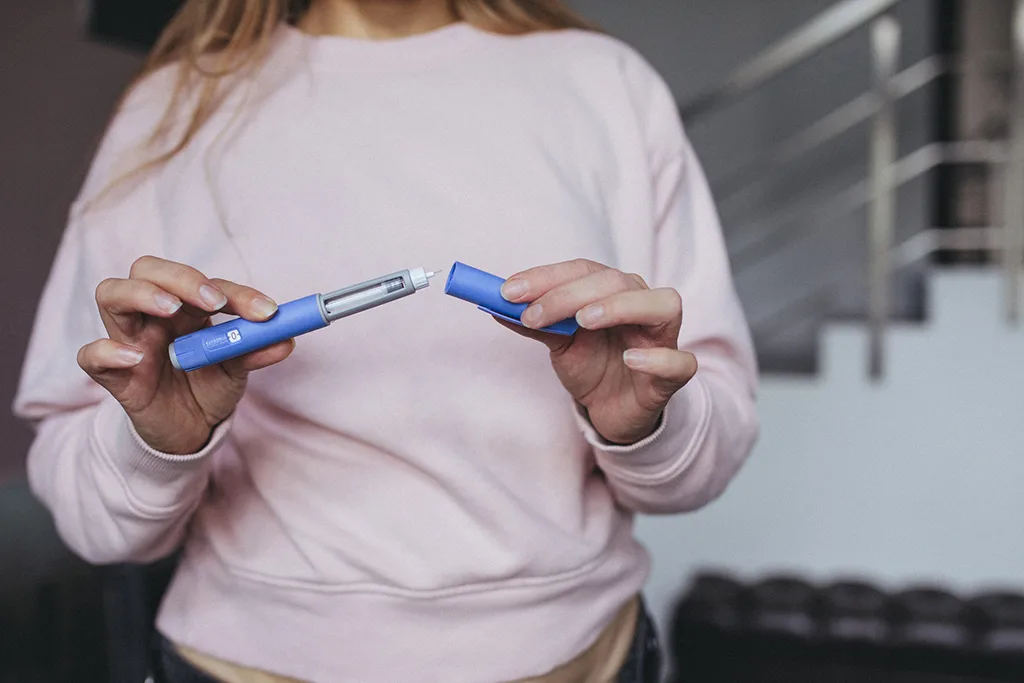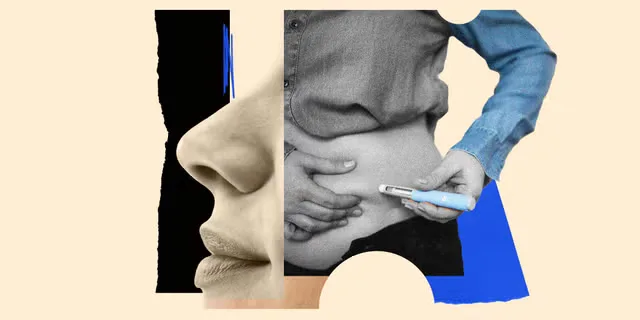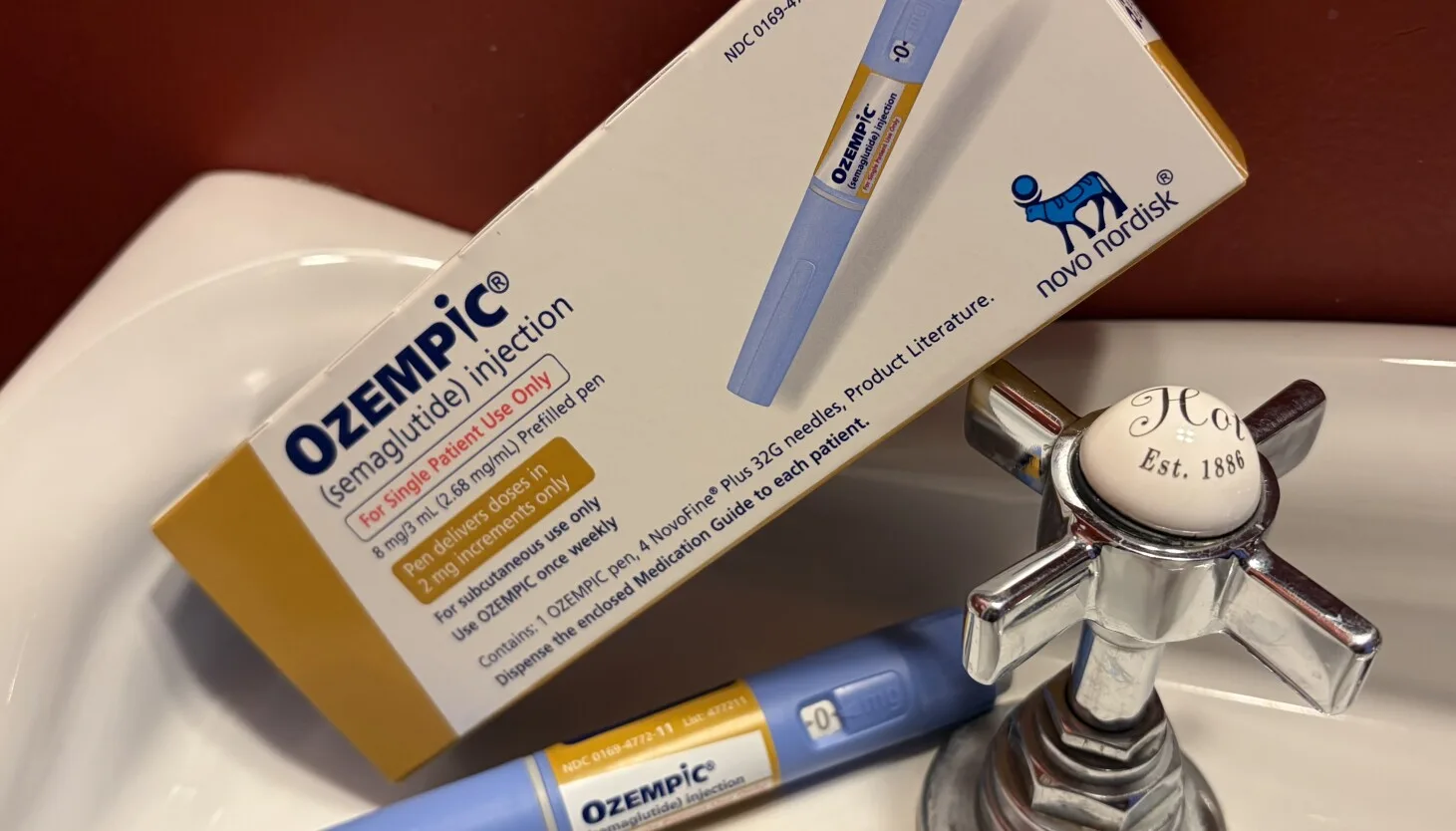
The Mounjaro gap is emerging as a critical issue in the UK’s battle against obesity, where access to powerful GLP-1 weight-loss drugs like Mounjaro (tirzepatide) and Wegovy (semaglutide) is increasingly stratified by class and income. These medications, which mimic gut hormones to suppress appetite, slow gastric emptying, and promote significant weight loss—often 15-20% of body weight in clinical trials—offer transformative potential for metabolic health. However, new data highlights how they're preferentially reaching affluent users, exacerbating health disparities.
Kelly Todd's Story: Years of Waiting for GLP-1 Access
When Kelly Todd, 46, entered secondary care for weight management on the NHS four years ago, she quickly realised it would take years rather than months to access the weight-loss drugs she needed.
She decided to go private, spending £189-£299 a month, whilst remaining within the NHS system. When the NHS made GLP-1 drugs like Mounjaro available last year to those with a BMI over 40 and four weight-related comorbidities, Todd was finally given a referral. But nine months on, she's still waiting to access the medication.
"I still don't have clarity on when I'll be seen. From first approaching my GP to enquire about GLP-1 access on the NHS to now, I've effectively been waiting over four years. Given the length of time I've already spent within the NHS pathway, it did not feel realistic to wait indefinitely without support."
Todd isn't alone. Her experience underscores the practical barriers many face, even after meeting strict eligibility criteria. For patients like her, who left their job due to health issues, self-funding represents a health-led sacrifice: "My decision to do that was health-led rather than convenience-led, and I am very aware that not everyone is in a position to self-fund treatment." Continuing privately requires "considerable lifestyle adjustments and prioritising long-term health over other areas of spending."
Understanding GLP-1 Drugs: How Mounjaro and Wegovy Work
GLP-1 receptor agonists like Mounjaro (a dual GLP-1/GIP agonist) and Wegovy target receptors in the brain and gut to reduce hunger signals, increase satiety, and improve insulin sensitivity. This mechanism not only aids weight loss but also reduces risks for type 2 diabetes, cardiovascular disease, and other comorbidities. NICE approved these for obesity management last year, but rollout constraints have created bottlenecks.
Research Exposes the Class Divide in Weight-Loss Jabs
New research from The Health Foundation, in collaboration with weight-loss drug provider Voy, analysed private prescriptions for GLP-1 drugs like Mounjaro and Wegovy. Key findings include:
- 79 per cent of prescriptions are for women spending hundreds of pounds each month.
- People in the most deprived areas were a third less likely to be taking the jabs.
- Those in deprived areas tended to be much heavier when they started the medication.
This creates a stark class divide with real health implications, as middle-class women in their thirties and forties dominate usage.
Intervention-Generated Inequality: An Expert View
"This is a phenomenon we're very familiar with in public health," says Kate Pickett, professor of epidemiology at York University. "It's called intervention-generated inequality. Quite often, when a public health intervention is implemented, it's preferentially taken up by those who are middle-class and wealthy."
Pickett explains: "Sometimes that's because it's easier for them, they have more education to understand why it's needed, or more capacity or time. The problem is that even when you're improving the health of the population, you're also creating bigger inequalities."
NHS Rollout: Eligibility vs. Reality
NICE stated last year that GLP-1 drugs like Mounjaro would be available to anyone with a BMI over 35 and one weight-related comorbidity—a group encompassing 3.4 million people. However, due to availability constraints, NHS England adjusted the rollout: only 220,000 people can access the drugs in the next three years, prioritizing those with a BMI over 40 and four or more comorbidities.
Precision tracking for your journey
Join thousands using Shotlee to accurately track GLP-1 medications and side effects.
📱 Get the Shotlee App
Track your GLP-1 medications, peptides, and health metrics on the go with our mobile app!
This leaves many eligible patients in limbo, pushing them toward private options costing £144-£324 a month. "That disparity is a significant part of the wider access issue," Todd notes. "That is why it can feel like a lottery. Eligibility does not automatically mean access."
Private Access Lowers Barriers for Some
Privately, thresholds are lower—often BMI 30 and over—with some providers offering micro-dosing for aesthetic purposes rather than clinical need. This raises concerns about drugs being used beyond obesity treatment.
Expert Warnings: Entrenching Health Inequality
Dr Charlotte Refsum, Director of Health Policy at the Tony Blair Institute for Global Change, believes the current Mounjaro rollout "risks entrenching health inequality." "At the moment, those with the deepest pockets can buy better health and better life chances, while others are left behind. That runs directly counter to the founding principle of the NHS—that care should be based on need, not ability to pay."
Pickett adds cultural concerns: the risk of reviving associations between thinness, status, and wealth, undermining body positivity. "We'd moved on from that with the body positivity movement," she says. "But people are worried the needle is swinging back again, that class-related differences in body shape will become entrenched—where 'you can never be too rich or too thin'."
Field is more optimistic, suggesting "being thin will be seen as less desirable once it is easier to achieve," but warns of widening life expectancy gaps. "We know these drugs have a big impact on the health outcomes of those who take them. We already have a 20-year gap in healthy life expectancy between the richest and poorest." Only 21 per cent of private prescriptions are for men, reflecting gender differences in health-seeking behavior.
Safety Considerations and Patient Guidance
While effective, GLP-1 drugs carry risks like nausea, gastrointestinal issues, and rare thyroid concerns—emphasizing the need for medical supervision. Patients considering Mounjaro or Wegovy should discuss eligibility, BMI, comorbidities, and costs with their GP. Tools like Shotlee can help track symptoms, side effects, and dosing schedules during therapy.
Compared to alternatives like lifestyle interventions or older drugs (e.g., orlistat), GLP-1s offer superior weight loss but require ongoing use for maintenance.
Broadening Access: Calls for Systemic Change
Experts advocate population-level solutions over medication alone. Pickett notes our "obesogenic" environment—food deserts, limited gym access—blames individuals unfairly. Field calls for advertising restrictions and healthy food pricing reforms.
Refsum proposes bold expansion: anti-obesity meds for BMI 27+ (no contraindications), reaching 14.7 million adults via digital-first support. Both Pickett and Field urge more research on uptake patterns to target those in greatest need.
Key Takeaways: What This Means for Patients
- The 'Mounjaro gap' shows GLP-1 drugs like Mounjaro and Wegovy are widening class divides, with private access favoring middle-class women.
- NHS waits can exceed years despite eligibility (BMI 40+, 4+ comorbidities).
- Private costs (£144-£324/month) create barriers; discuss options with your doctor.
- Health inequalities risk deepening without equitable rollout and preventive policies.
Conclusion: Bridging the Gap for Equitable Metabolic Health
The 'Mounjaro gap' highlights a pivotal moment for UK obesity care. While GLP-1 drugs promise metabolic benefits, their uneven access undermines NHS principles. Patients should consult providers for personalized pathways, and policymakers must prioritize equity to narrow health divides. Stay informed on updates to NHS criteria and explore supportive resources for sustainable weight management.