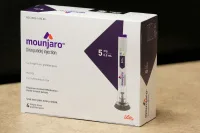

GLP-1's Impact on Medicine and Culture
GLP-1 medications haven't merely altered human physiques; they've redefined the limits of healthcare itself. Within just a few years, these substances, initially limited to endocrine practices, have expanded into shopping centers, medical spas, and social media promotions. The compound originally developed for managing diabetes and excess weight now fuels a societal shift in defining true wellness.
The surge in compounded GLP-1 products serves as a modern illustration of the pharmaceutical environment. An environment where progress outstrips framework, and public interest surpasses regulatory standards. These dynamics currently unfolding in aesthetic medicine will likely extend to all treatment fields where care intersects with self-perception, including hormonal therapies, cognitive enhancers, and genomic enhancements.
This story exposes the reality behind polished transformation images, showing the clash of drugs, beauty practices, and consumer wellness. For the first time, a category of pharmaceuticals is marketed both for medical purposes and personal choices. This merger introduces a fresh paradigm for producers, authorities, and individuals alike.
The Emerging Market Landscape
A decade back, aesthetic medicine was viewed as an unconventional indulgence. Now, it's a sector exceeding $20 billion annually, expanding at rates over double digits. This expansion stems from a diverse workforce including advanced practice nurses, virtual health ventures, and spa franchises. These establishments now rely heavily on GLP-1 agents—the initial medication to alter not just appearances, but entire bodily functions.
In this evolving arena, customary constraints like drug lists, approval prerequisites, and pharmacy benefits managers have given way to straightforward factors: rapidity, accessibility, and cost. Consumers aren't holding out for coverage. They're opting for direct payment. They're skipping doctor consultations. Instead, they turn to specialists in beauty. And compounding firms have eagerly filled this unforeseen gap, providing what producers couldn't. These compounders have emerged as the unrequested yet vital intermediaries in the GLP-1 upheaval. Their operations range from lawful to questionable.
Evolving Opportunities
Medical spas embody one of the purest displays of consumer preferences in recent times. Their direct-payment system with funding options sidesteps insurance hurdles, fostering a seamless, profitable consumer segment. Clients witness tangible changes quickly and frequently transform into devoted, repeat buyers. This is the ultimate recurring income model. Yet, the most revealing trend is the growth of compounding pharmacies. Their spread isn't merely a regulatory annoyance; it's an indicator of market trends. Compounders prove that people prioritize speed, adaptability, and clarity over established brand recognition. They've pinpointed gaps in current access where interest exceeds supply, and views surpass regulations. These unofficial pathways reflect shortcomings in the mainstream market. They act as a stark reflection of both unsatisfied needs and strategic inertia.
Precision tracking for your journey
Join thousands using Shotlee to accurately track GLP-1 medications and side effects.
📱 Get the Shotlee App
Track your GLP-1 medications, peptides, and health metrics on the go with our mobile app!
Underlying Dangers
This upheaval comes at a price. Compounded GLP-1 products inundate the market, frequently made with varying quality. This raises concerns about legitimacy, alongside accounts of impurities, dosage mistakes, and fake semaglutide components leading to subpar treatment results. The issue is widespread, not contained. A single faulty provider or publicized safety scare could damage the entire drug class's image. The FDA has intervened, such as targeting specific compounding operations, but obstacles persist. Actions against particular compounding sites might restrain the most egregious offenders, but the situation has progressed too far. Previous scarcities and sluggish branded distribution paved the way for this environment where individuals prioritize swiftness, availability, and affordability.
Achieving Control via Organization
To navigate this 'reflection economy,' drug company executives must employ more than just agile marketing. They require strategic frameworks. Establishing regulated distribution networks around their products will pave the way to triumph. This involves charting each point in the new supply network: medical spas, remote healthcare providers, compounding groups, and digital platforms. It entails funding verified education, standardizing authentic procedures, and integrating verification tools allowing users to validate source and dosage. Reliability must evolve into a core product attribute. Concurrently, producers can view compounding as a source of competitive insights, not merely a hazard. The warning sign in the GLP-1 mine is a thriving compounder addressing novel demands overlooked by manufacturers. In areas where compounders offer quicker service, producers must emulate their ease while upholding security.
The GLP-1 storyline demands reconfiguration. These drugs shouldn't be framed as weight reduction wonders or superficial enhancements. Instead, portray them as tools for metabolic renewal, linking medical authority with desired vitality. This approach strengthens credibility and broadens appeal. Moreover, oversight needs to shift from reactive to anticipatory. Companies that engage promptly with governing bodies, professional groups, and authorities to establish treatment guidelines will shape the coming era of market entry.
Producers confront a decision. Ignore aesthetic medicine as an unruly domain and intensify compliance efforts, or recognize it as a model for future healthcare—decentralized, user-focused, and aspiration-driven. Adaptors will command the narrative of change, encompassing not only therapeutic effectiveness but also self-renewal. Resisters might see their products dispersed, duplicated, and rebranded by nimbler competitors.
Manufacturers across other treatment fields, if they can affirm that their solutions influence personal identity, might already be in the midst of this revolution. Examine your own reflection.
Health tracking apps like Shotlee can assist in monitoring metabolic changes during GLP-1 therapy.