
The Future of Ozempic: How the Food Sector is Adapting to Weight-Loss Drug Impacts on Consumption
Last November, leading executives from a prominent global corporation convened at a Swiss resort to strategize in response to an emerging challenge.
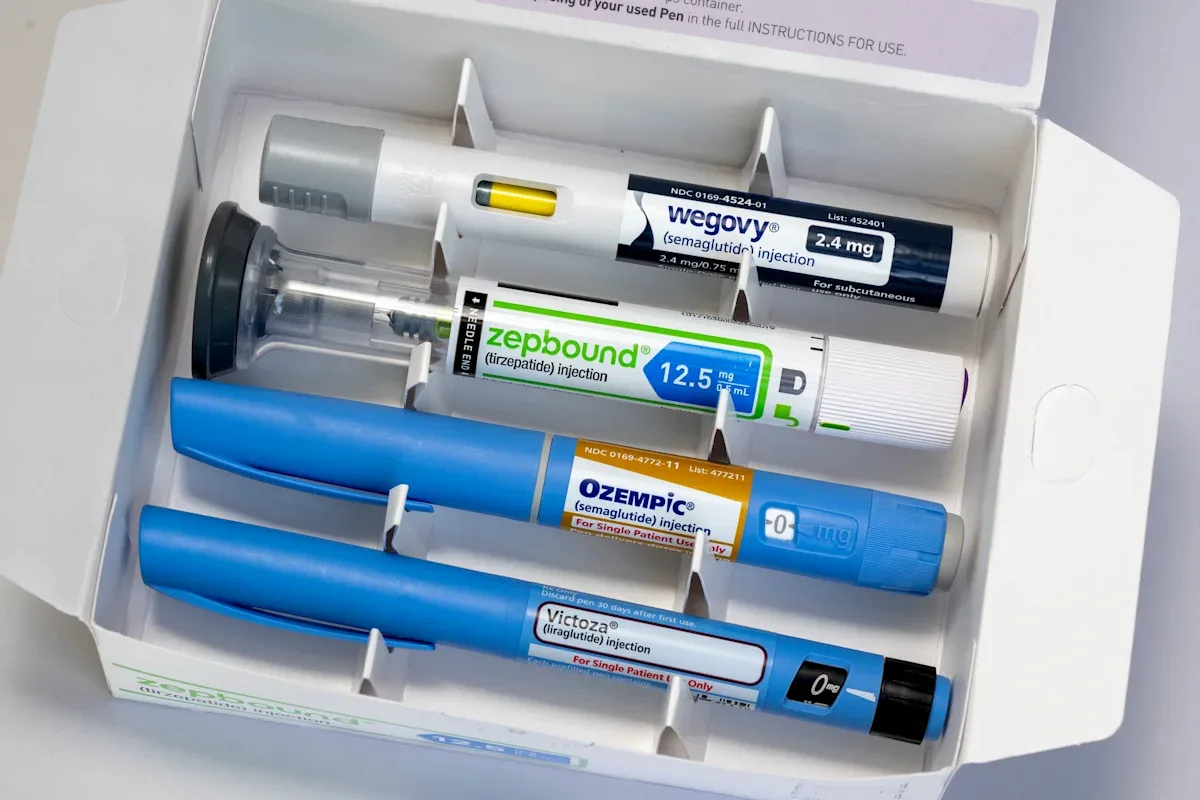
Contrary to expectations, the threat wasn't a competitor's acquisition attempt or rising component costs, but a novel pharmaceutical.
Reports indicated that Nestlé's investors had cautioned the food giant about consumers turning away from their heavily processed, sugar-laden snacks. The emergence of a groundbreaking weight-loss medication amplified this shift in consumer behavior.
Aimee Donnellan, a Reuters columnist and author, explores the food industry's adaptation to this evolving landscape in her book, "Off the Scales: The Inside Story of Ozempic and the Race to Cure Obesity."
Donnellan shared in a Daily Mail interview, "An executive from a major food producer told me, 'We can't profit from selling you salmon or salads. That's not what our business model supports.'"
According to Donnellan, these firms must innovate to make processed foods appealing to Ozempic users who are increasingly avoiding them. Health tracking apps like Shotlee can help monitor dietary changes and health metrics in individuals using such medications.
McDonald's Challenges
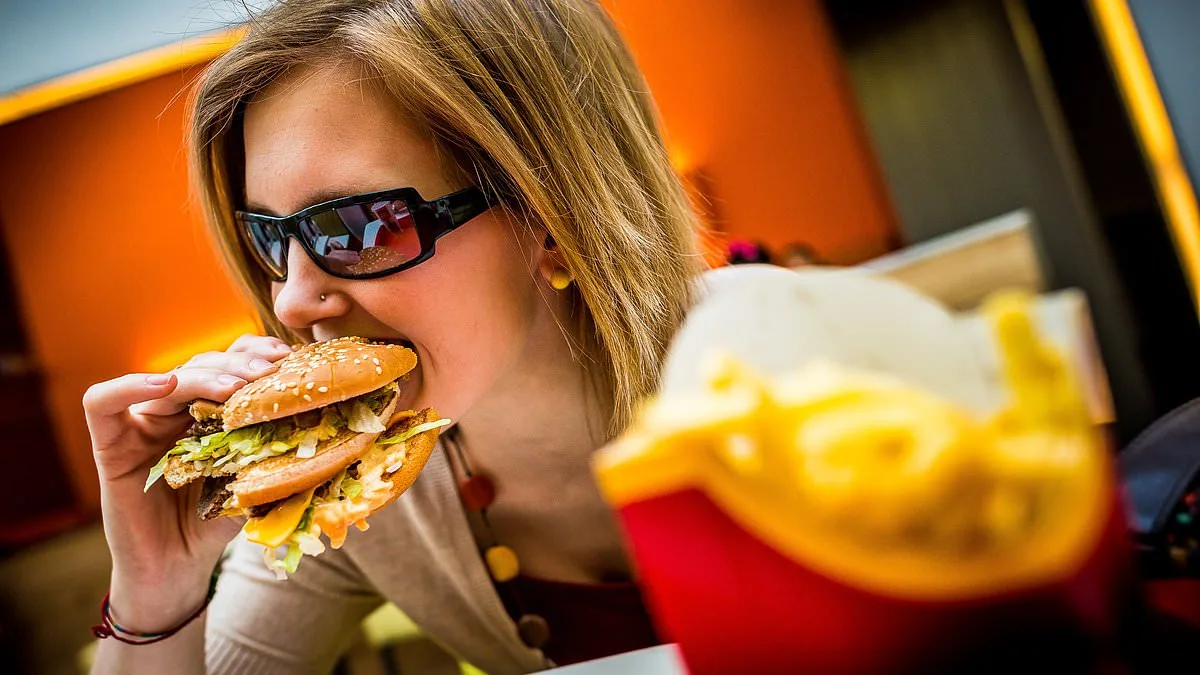
For McDonald's, this challenge arises at an unfavorable moment.
The fast-food chain, with over 13,000 US locations, experienced a 3.6 percent decrease in US sales in the first quarter of this year, a decline from over ten percent sales growth from 2021 to 2023. McDonald's full year sales for 2024 were stable, growing 0.2 percent overall.
Donnellan noted that while higher food costs have reduced restaurant visits, fast food executives also believe that Ozempic and similar weight loss drugs are impacting sales. Consequently, some wealthier customers are moving away from the chain's signature burgers and fries due to the drug's popularity.
McDonald's previously attempted to sell salads but discontinued them in 2020 due to insufficient demand.
Donnellan claimed that their strategy now appears to focus on generating more sales from lower-income individuals, who are less likely to afford weight loss medications.
To a degree, the food industry as a whole 'is doubling down on the people who won't be able to afford these drugs,' she stated.
McDonald's has extended its five-dollar meal promotion, which includes a McDouble or McChicken sandwich, small fries, four-piece chicken McNuggets, and a small soft drink for $5. Initially launched in June 2024 as a temporary summer offering, McDonald's executives extended it to mid-2025, exceeding the initial plan by over a year.
Nestlé's Response
Nestlé executives appear to be pursuing a different approach, aiming to encourage Ozempic users to buy their products again by creating foods specifically tailored for this new consumer group.
With one in eight people in the US having tried a GLP-1, and approximately 1.5 million prescriptions for weight loss drugs written monthly in the US, the market is now comparable in size to that of vegans (about three million) and vegetarians (about 13 million), according to Gallup.
Last September, the company introduced its Vital Pursuit brand of ready meals, featuring protein-enriched pizzas and pastas. The nutrient-enhanced food can counteract muscle loss resulting from the low-calorie diets of weight loss drug users.
Marketing materials stated that the foods were 'intended to be a companion for GLP-1 weight loss medication users and consumers focused on weight management.'
The brand also includes fiber-rich foods, such as the Max Pro chicken and spinach bowl, to alleviate chronic constipation, a common side effect of GLP-1s.
Precision tracking for your journey
Join thousands using Shotlee to accurately track GLP-1 medications and side effects.
📱 Get the Shotlee App
Track your GLP-1 medications, peptides, and health metrics on the go with our mobile app!
In December, Nestlé expanded its offering with four-ounce shakes called Boost Pre-Meal Hunger Support, a line of protein-infused drinks designed to support weight loss maintenance.
Donnellan writes that Nestlé has also entered the supplements market, launching GLP-1 Nutrition, which sells nutrients that weight loss drug users may be deficient in, such as $34 capsules for hair thickness and $50 peptides to address deficiencies. Some GLP-1 users have reported hair loss.
Donnellan reports that Nestlé's top executives showcased these products at the Swiss Alps meeting and presented investors with the now-launched shake line.
Donnellan claimed it was designed to convince investors that Nestle, considered the kingpin of food with $100 billion in sales every year, was on top of the trend. But she warned the 'rapid scramble' suggested there may be 'an element of fear in the strategy.'
Industry-Wide Adaptations
Amrita Bhasin, a California-based food and beverage expert who runs food company Sotira, told the Daily Mail that weight loss drugs had prompted companies to increase the protein and fiber content of their foods, potentially making them healthier.
She said: 'To sell their products now, companies are much more prominently featuring phrases such as 'protein' and 'fiber' on their packaging.
'This is what pushed the industry into being healthier. And people are just buying less junk food, sugary drinks or cereals. Based on what I'm seeing in the figures right now, people are just buying less.'
She highlighted other brands that have launched new products aimed at health-conscious consumers, including Starbucks, which introduced a line of protein-infused coffees this year.
In other instances, she said cereal brands are considering smaller boxes, which may appeal to consumers who want to buy cereal but avoid waste due to staleness.
However, the Big Food industry is also developing foods that even Ozempic users, who are rejecting traditional processed treats, will find appealing.
Among those searching for this innovative 'magic formula' that could overcome the Ozempic appetite defenses is Mattson, a California-based food consultancy firm.
Its recent ideas include a protein-infused NourishFit Brownie Bite, a protein-rich mozzarella stick, and fried chicken wrapped in an edible leaf instead of a standard tortilla, according to the New York Times.
Its other concepts, still under development, include Bird-gers (a blend of frozen vegetables and seasoning for turkey meat), a two-ounce portion of yogurt in a pouch, and satiety gums to promote fullness.
Chris Bellamy, a food development expert at Yanaa, told the Daily Mail that some companies are also developing foods with different textures to appeal to GLP-1 users.
He said: 'What they've identified is that, while Ozempic reduced the desire for food and took the pleasure out of eating, there may be new ways to make people feel satisfied while eating food.
'These include extra-crunchiness, and foods that are focused more on the mouth-feel experiences.'
Ozempic may have kickstarted the war on Big Food, but they're not giving up without a fight.