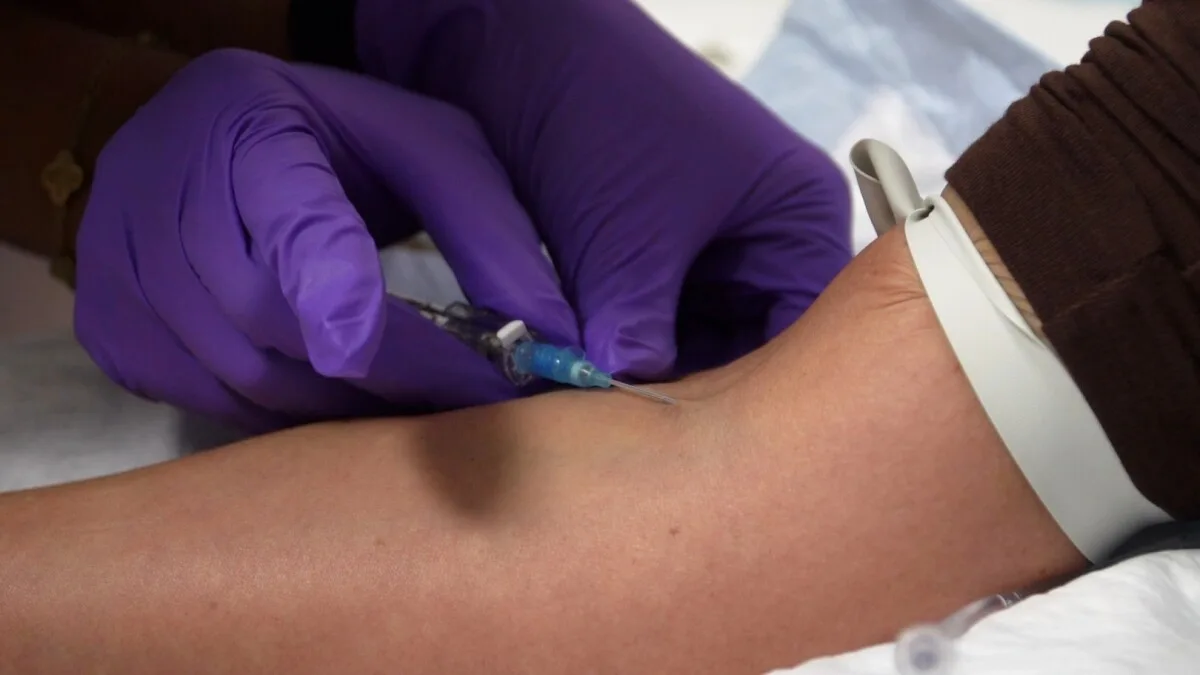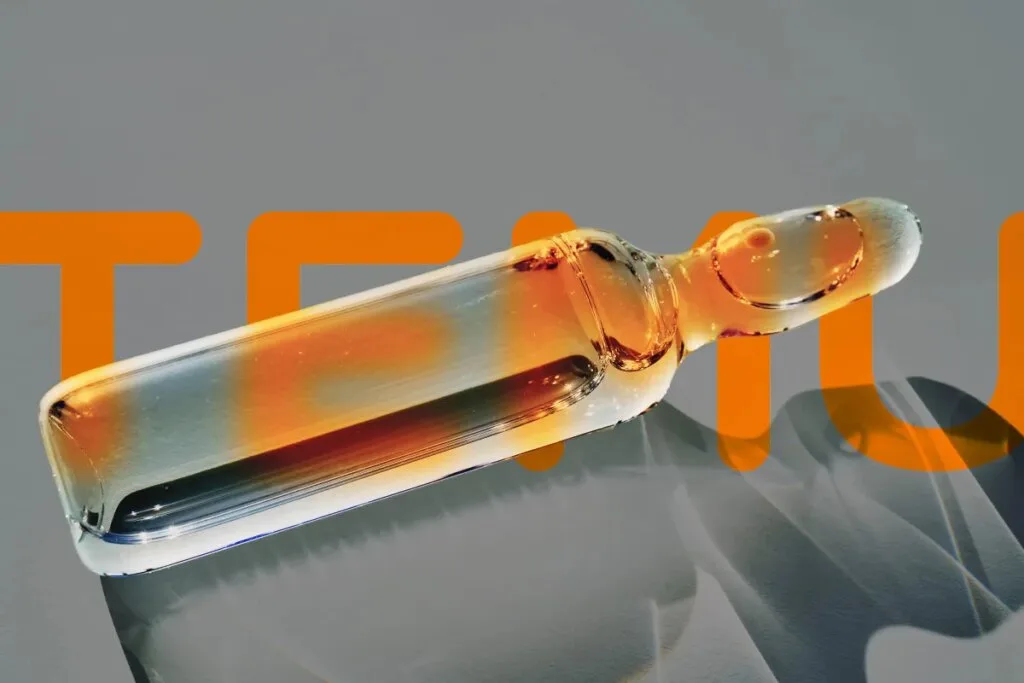

Silicon Valley's biohacking obsession with poorly-studied chemical substances has reached its logical endpoint: peptides are now available on Temu, the ultra-cheap e-commerce platform. A search for Temu peptides reveals a flood of low-cost vials, creams, and injectables, signaling a dangerous mainstreaming of unregulated supplements. This trend underscores critical risks in peptide therapy, especially when compared to rigorously tested options like GLP-1 medications.
What Are Peptides and Why Are They Popular?
Peptides are short chains of amino acids that function as signaling molecules, instructing cells on actions like growth, repair, and metabolism. Naturally occurring ones regulate bodily processes, but synthetic versions promise targeted benefits such as muscle growth, tissue repair, and cognitive enhancement.
In peptide therapy, these compounds are administered via injections, pills, or topicals. GLP-1s, popular weight-loss drugs like Wegovy and Zepbound, exemplify synthetic peptides—but they've undergone extensive clinical trials for safety and efficacy in metabolic health. Unregulated peptides, however, lack such scrutiny, making platforms like Temu a risky source.
How Peptides Work in the Body
Peptides bind to specific receptors, mimicking hormones or growth factors. For instance, BPC-157, derived from human gastric juice, is touted for healing gut issues and injuries by promoting angiogenesis and reducing inflammation. Yet, while animal studies show promise, human data is limited, and it's not FDA-approved for therapeutic use.
This mechanism drives biohacking appeal: users mix custom "cocktails" for optimization. In metabolic health, GLP-1 peptides like semaglutide (in Ozempic/Wegovy) slow gastric emptying and signal satiety, aiding weight loss and cardiovascular benefits backed by large trials.
The Silicon Valley Biohacking Boom
San Francisco's tech ecosystem fuels peptide popularity. Tech professionals experiment with DIY regimens—injections, creams, or pills—to enhance performance, aligning with startup culture's risk-taking ethos. These "bespoke circles" have popularized peptides beyond labs into daily routines.
From elite optimizers, peptides on Temu mark a shift to mass accessibility. Temu, known for dirt-cheap goods and supply chain controversies, now offers peptides at rock-bottom prices, potentially exposing average consumers to unverified products.
What a Search for Temu Peptides Reveals
A quick "peptides" search on Temu yields a smorgasbord: $12 for three bottles of supposed BPC-157, a healing peptide from stomach bile; $4.14 for a 12-pack of "oligopeptide" skin-firming cream. Products range from pills and eye drops to injectable ampoules.
Reddit threads confirm biohackers injecting Temu-sourced peptides. Some listings claim GLP-1s, yet ingredients mismatch actual GLP-1 compounds like semaglutide or tirzepatide. Usage instructions are vague, amplifying misuse risks.
The Serious Risks of Buying Peptides on Temu
Quality and Purity Concerns
Authenticity is a gamble. Products may contain impurities, incorrect dosages, or none of the claimed peptide. Temu listings often feature glass vials for reconstitution—powder mixed with water for injection—without sterility guarantees, risking infections or adverse reactions.
In peptide therapy, contamination can cause immune responses or organ damage. Unlike FDA-regulated GLP-1s, Temu peptides skip third-party testing.
Precision tracking for your journey
Join thousands using Shotlee to accurately track GLP-1 medications and side effects.
📱 Get the Shotlee App
Track your GLP-1 medications, peptides, and health metrics on the go with our mobile app!
Legal and Regulatory Gray Areas
Peptides occupy a U.S. legal limbo. Many are sourced from Chinese manufacturers, shipped as "research use only" powders. The New York Times reports Americans increasingly buy directly from China, bypassing pharmacies.
"Our average customer is closer to a Starbucks barista," a San Francisco supplier told the NYT. "But the techies were the first on this because of the willingness to take ridiculous risks." This democratizes access but heightens dangers for non-experts self-injecting experimental substances.
Health Dangers in Practice
Improper use leads to side effects like injection-site reactions, gastrointestinal issues, or unknown long-term impacts. For metabolic health seekers eyeing GLP-1 mimics, fakes won't deliver benefits and may harm. Patients on legitimate peptide therapy should consult physicians; tools like Shotlee can help track symptoms and schedules safely.
Temu's Response to Peptide Listings
Temu positions itself as a "third-party marketplace" for independent sellers under platform rules. A spokesperson stated: "The platform prohibits the sale of products containing peptides listed as bulk drug substances by the US FDA, products making therapeutic or medical claims without proper authorization, and sterile needles or syringes intended for injection."
They use pre-listing screening, monitoring, and reports for enforcement. After media inquiries, many vial and syringe listings vanished—"peptides" or "GLP-1s" now mostly show topicals like creams.
Regulated Alternatives: GLP-1 Peptides Like Wegovy and Zepbound
Contrast Temu's offerings with FDA-approved GLP-1s. Wegovy (semaglutide) and Zepbound (tirzepatide) are synthetic peptides rigorously studied for obesity and type 2 diabetes. Trials confirm 15-20% weight loss, cardiovascular risk reduction, and safety profiles when prescribed.
These require medical oversight, unlike Temu's free-for-all. For biohackers or metabolic health patients, discuss with doctors: screenings for contraindications like thyroid issues, dosing starts low to minimize nausea.
| Aspect | Temu Peptides | FDA-Approved GLP-1s |
|---|---|---|
| Purity Testing | Unverified | Rigorous GMP standards |
| Clinical Data | Anecdotal/Animal | Phase 3 trials |
| Access | $4-12, no Rx | Prescription only |
| Side Effects Monitoring | Self-managed | Doctor-guided |
Practical Guidance for Peptide Therapy Seekers
Skip Temu. Consult endocrinologists or metabolic specialists for evidence-based options. Discuss goals—weight loss, recovery—and risks. Bloodwork monitors efficacy; apps like Shotlee track side effects for prescribed regimens.
Compare alternatives: statins for heart health, approved growth factors for repair. Prioritize compounding pharmacies over e-commerce.
Key Takeaways
- Temu peptides like BPC-157 and fake GLP-1s pose purity, dosing, and infection risks.
- Silicon Valley biohacking popularized them, but mainstreaming via Temu endangers novices.
- FDA-approved GLP-1s (Wegovy, Zepbound) offer proven benefits—seek prescriptions.
- Regulatory gaps allow Chinese-sourced "research" peptides; enforcement lags.
- Temu removes violations post-scrutiny, but buyer beware persists.
Conclusion: Prioritize Safety in Peptide Therapy
The Temu peptides trend highlights biohacking's dark side: easy access trumps safety. While peptides hold promise for metabolic health and recovery, unregulated buys court disaster. Patients deserve studied therapies under medical care. Talk to your doctor about legitimate options to optimize health without the gamble.