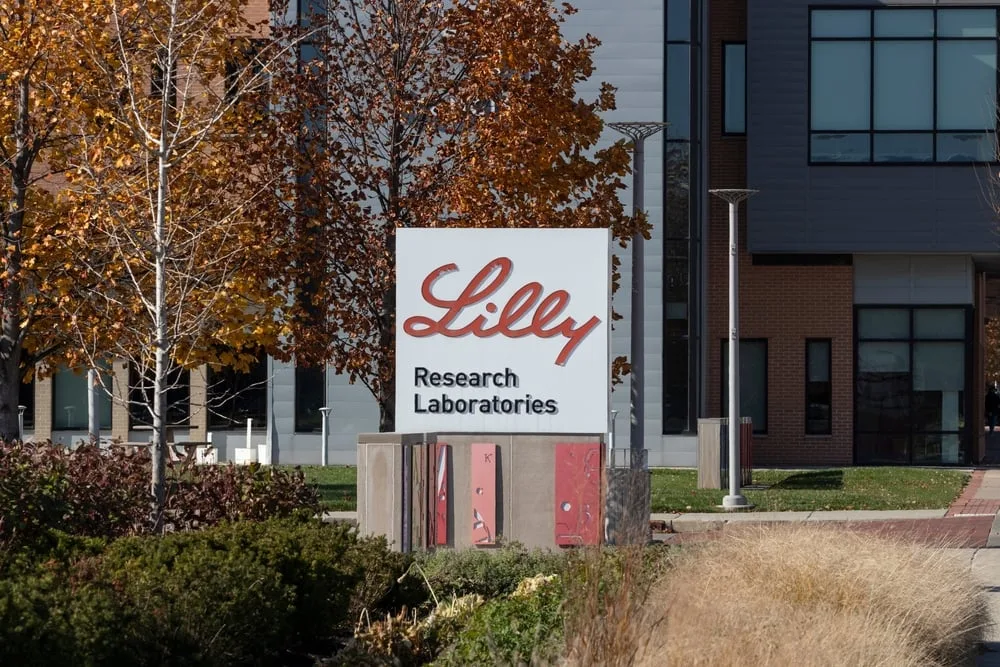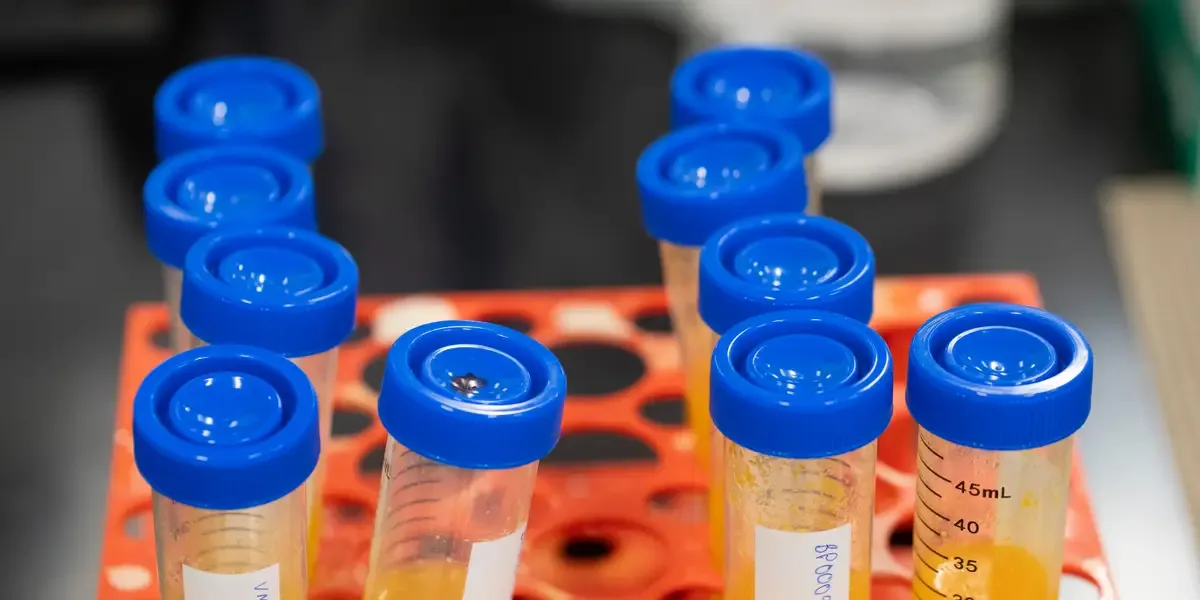

Thorne supplement factory—as soon as I stepped inside, the sweet smell of red berries filled the air, evoking childhood memories of chewable multivitamins with that not-quite-natural "mixed berry" scent. Nostalgic yet medicinal, it marked entry into factory world at Thorne's headquarters outside Charleston, South Carolina. Under neon lights in a temperature-controlled warehouse at a steady 70 degrees and 60% humidity, forklifts stacked pallets of raw materials from around the globe.
Pallets of creatine monohydrate, favored by bodybuilders for strength, speed, and recovery, shared space with Indian barberry—the source of berberine, which some influencers dub "nature's Ozempic." (It's not actually comparable to GLP-1 drugs like Ozempic, which mimic gut hormones for appetite and blood sugar control.) Flavorings for mango limeade or blood orange electrolytes waited in quarantine. Workers in full-body suits navigated sealed mixing rooms with positive air pressure to block contaminants. No perfume, no open-toed shoes, no room for error.
The Explosive Growth of the Supplement Industry
Facilities like Thorne's are proliferating as the supplement industry expands U.S. manufacturing to meet surging demand, ignited by the pandemic and sustained by influencers, personalized medicine, and online sales of peptides and supplements. Thorne's 2023 warehouse opening doubled capacity to 549,000 square feet—roughly six football fields—after a $35 million investment, relocating from Idaho.
The global supplement market now hits $100 to $200 billion, growing rapidly, with the U.S. claiming one-fifth of demand. Pre-pandemic, 58% of U.S. adults took supplements; today, it's near 75%, per industry estimates. Online sales grow over 10% annually, per the Nutrition Business Journal's 2025 report, outpacing other e-commerce.
"It's just been an explosion of people being like, 'I should probably pay attention to my health a little bit more and think about it proactively and take it a little more into my own hands,'" said Nathan Price, Thorne's chief science officer.
The pandemic shifted wellness—nutrition, fitness, longevity—from margins to mainstream, amid distrust in a bloated "sick care" system, time-strapped doctors, and direct-to-consumer tests revealing deficiencies via blood, spit, or urine.
From Niche to Everyday Ritual
Supplements were once fringe; now, "stacks" are daily for millions. Thorne, founded in 1984 by Al Czap after spotting poor manufacturing standards, sold only to doctors initially. Czap recalled: "I was dealing with physicians who knew nutritional medicine... they'd say, 'I've had success with this product.'"
Post-2010, commercialization ramped up under private equity L Catterton. Direct-to-consumer sales launched in 2018, priming Thorne for pandemic booms like zinc picolinate for immunity. Celebrities like Karlie Kloss, Ben Shelton, Chris Hemsworth's trainer Da Rulk, Dwyane Wade, and Ciara promote it. Podcasts from Andrew Huberman and Peter Attia praise Thorne's quality, despite giants like Nature Made dominating.
Inside Thorne's Rigorous Manufacturing and Quality Control
Unlike FDA-pre-approved pharmaceuticals, supplements fall under 1994 laws where makers self-regulate safety and labeling. FDA inspections are reactive, post-complaint. This gap spurs innovation but risks mislabeling, contamination, heavy metals, or hidden drugs like blood thinners.
Thorne differentiates with four testing rounds: metal detectors scan raw materials and capsules; stability tests simulate climates; labs check microbes and potency. "We position as a premium brand... we're very strict," Price said. Founder Czap approves: "Kudos to them because they didn't screw it up." Thorne's creatine boasts 12,700+ 5-star Amazon reviews for quality and dissolvability.
Spotlight on Trending Products: Creatine Leads the Charge
Creatine monohydrate dominates Thorne's pallets. "Creatine is the overnight sensation, even though it's been around forever," said Ken Rowe, chief R&D officer and ex-Nestlé VP. Long a gym staple, it's now eyed for longevity, cognition, and health.
Precision tracking for your journey
Join thousands using Shotlee to accurately track GLP-1 medications and side effects.
📱 Get the Shotlee App
Track your GLP-1 medications, peptides, and health metrics on the go with our mobile app!
How creatine works: It boosts ATP production, fueling muscle contractions for strength and recovery. At 5g daily, it saturates muscles; 10g may benefit the brain via overflow, per emerging research. Decades of studies back it—one small 20-person safety trial (no placebo) hinted at cognitive perks, though larger placebo-controlled trials are needed. Dr. Nathaniel Chin, Wisconsin Alzheimer's Research Center director, cautions: "That's not what they were saying... 'This is feasible. We should study this.'" Creatine's U.S. growth forecasts 20-30% CAGR.
Berberine, Magnesium, and Beyond
Berberine from Indian barberry activates AMPK for blood sugar support and metabolic health, mimicking some GLP-1 effects indirectly but without receptor agonism. Magnesium aids energy, sleep, regularity; I corrected my deficiency via testing, though my doctor noted high dosage but approved with normal bloodwork.
Other stars: women's health, gut products, sports performance, fish oil, curcumin (turmeric's anti-inflammatory), prenatals, CoQ10, new ashwagandha testosterone support. TikTok, podcasts fuel trends.
Doctors' Warnings: Navigating the Minefield
Experts don't dismiss supplements but decry the chaos. Matt Kaeberlein, aging biologist and Optispan cofounder: "The incentive structures... geared toward... dishonesty." Dr. Haleem Mohammed, Gameday Men's Health CMO: Influencers cherry-pick studies, stretch animal data to human claims on fat loss, libido.
Misuse risks abound—a New Jersey woman suffered liver damage from 10x turmeric dose per social media "doctor." Studies reveal label inaccuracies; additives hide.
Safe Supplementation: Practical Guidance
Doctors advise: Test deficiencies first (e.g., magnesium, vitamin D, zinc via bloodwork). Start single supplements slowly, monitor with doctors, retest. Avoid blends/green powders sans evidence. Prioritize exercise, nutrient-dense foods like veggies, fish over pills. Dr. Chin: "Spend this money on a gym."
Mohammed's stack—post-testing—includes creatine, fish oil, Omega-3s, CoQ10, calcium, magnesium, zinc, vitamin D. Track effects with apps; tools like Shotlee can log symptoms, side effects, schedules for better insights.
Interactions loom: supplements may clash with meds. Thorne employees take free allotments, choosing based on goals with expert support—a solid but not doctor-led strategy.
Key Takeaways: What This Means for You
- Industry Boom: Supplements are mainstream (75% U.S. adults), driven by personalization, online sales, post-pandemic health focus.
- Thorne's Edge: Premium testing (4 rounds, metal detectors, stability) amid lax regulation sets it apart.
- Stars Like Creatine: Well-researched for muscle/brain; dose 5-10g, but confirm benefits via trials.
- Berberine Context: Metabolic aid via AMPK, not a GLP-1 substitute.
- Doctor Advice: Test, consult, prioritize diet/exercise; beware influencers.
- Safety First: Overdosing risks liver damage; label checks insufficient.
Conclusion: Informed Choices in a Stacked World
Thorne's factory showcases quality amid obsession, but doctors urge caution. I left with creatine, amino powder, electrolytes—the latter proved useful for hydration. Creatine sits unused; workouts suffice for now. Personalize via testing, doctor input—don't DIY blindly. For metabolic health ties like berberine, discuss with providers, especially alongside peptides or GLP-1s.
Read the original on Business Insider for the full firsthand account.