
Study Warns Ozempic May Double Divorce Risk in Couples
A Swedish study on gastric band surgery reveals that rapid weight loss can double the risk of divorce, raising questions about the surprising impact Ozempic could have on married couples. As GLP-1 receptor agonists like Ozempic (semaglutide) gain popularity for weight management, this research underscores potential ripple effects on personal relationships. With one in 10 Americans unhappy with their weight according to a Gallup poll, understanding these dynamics is crucial for those considering these therapies.
The Swedish Gastric Band Study: Key Findings
The study, centered on individuals who underwent gastric band surgery, found that those experiencing rapid weight loss were twice as likely to get a divorce. This isn't about the weight loss itself repelling partners but rather the profound life changes it triggers. Gastric band surgery, a form of bariatric procedure, restricts food intake to promote significant and quick weight reduction, mirroring the accelerated effects some see with GLP-1 medications.
Professor Per-Arne Svensson from the University of Gothenburg, who led the research, noted in an interview with The Telegraph that 'very similar mechanisms could occur with Ozempic [and other GLP-1 receptor agonists] as with surgery, with regards to changes in relationships.' This direct comparison highlights why Ozempic users might face comparable relational shifts.
How Gastric Band Surgery Works and Compares to Ozempic
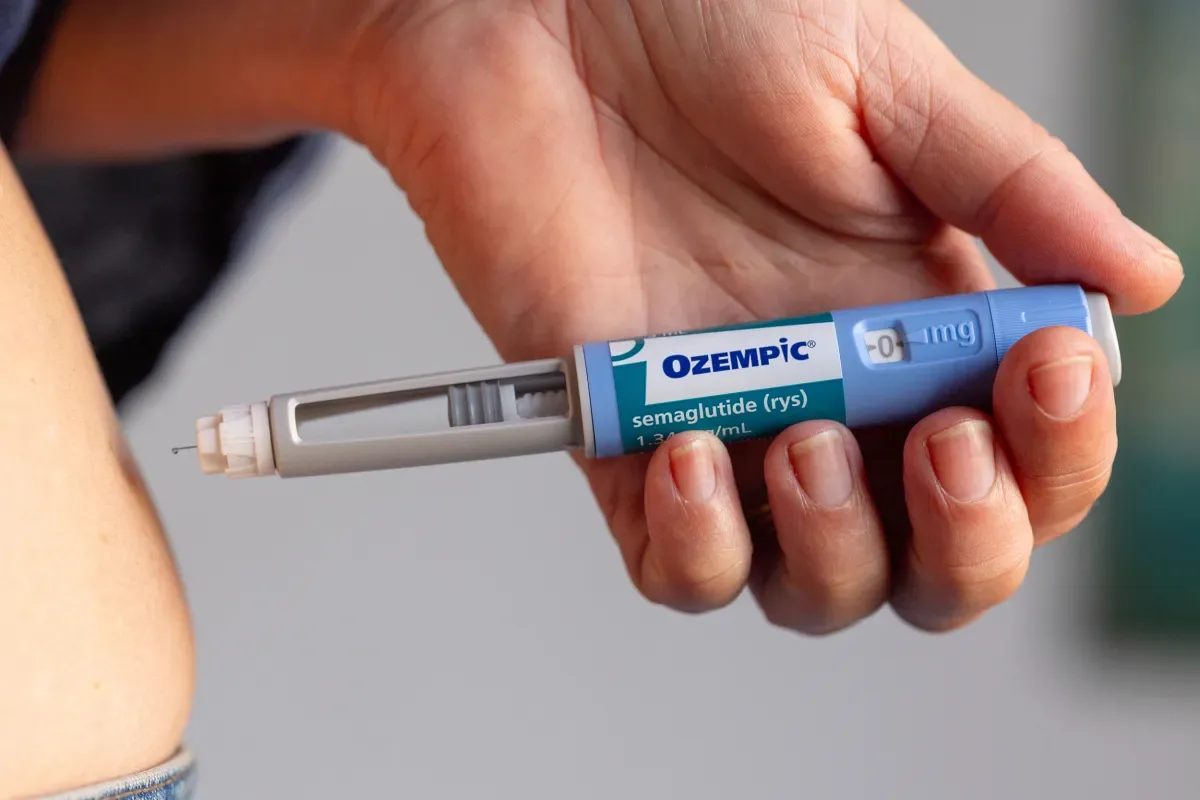
Gastric band surgery involves placing an adjustable band around the upper stomach to create a small pouch, limiting portion sizes and promoting satiety. Patients often lose 40-50% of excess weight within the first year. Ozempic, by contrast, mimics the GLP-1 hormone to slow gastric emptying, reduce appetite, and improve insulin sensitivity—leading to 15-20% body weight loss in clinical trials over 68 weeks.
Both interventions cause rapid weight loss, which the study links to higher divorce rates. While surgery is invasive, Ozempic offers a non-surgical alternative, but the psychological and social transformations appear parallel.
Why Rapid Weight Loss Might Strain Marriages
Professor Svensson explained there could be 'many mechanisms' behind the divorces: 'people who embark on the weight-loss journey usually have a lot of other life changes as well. That means that they are probably becoming more social, trying to live a healthier life. If the partner is not really on the train there, if they don't follow this person along in this change, that might be something that causes tension.'
Another factor? Boosted self-confidence. As Svensson told The Telegraph: 'It could also be that you have a person who is stuck in a bad relationship, but doesn't have the self-confidence to break it off because they feel "who would like to date them, if not their current spouse".' Weight loss can shatter that barrier, prompting earlier exits from unhappy unions.
The professor added: 'We have shown (higher divorce rates) for bariatric surgery, but that could also be true for Ozempic-based weight loss.' This suggests GLP-1 therapies like Ozempic, Wegovy, or Mounjaro might accelerate relational reevaluations.
Precision tracking for your journey
Join thousands using Shotlee to accurately track GLP-1 medications and side effects.
📱 Get the Shotlee App
Track your GLP-1 medications, peptides, and health metrics on the go with our mobile app!
Broader Divorce Trends: Context from CDC and Pew Research
While the study flags risks, U.S. trends show nuance. The CDC reports a 27 percent drop in divorces up until 2022, possibly due to pandemic-era reflections on relationships. Pew Research adds that approximately 16 percent of divorces in 2023 occurred within the first five years of marriage, while 24 percent occurred within five to nine years.
These stats complicate causation: Were gastric band patients predisposed to divorce, or did weight loss merely hasten it? The study didn't disclose ages or marriage lengths, but it prompts caution—especially without a partner's buy-in.
GLP-1 Medications Like Ozempic: Mechanisms and Relationship Implications
Ozempic binds to GLP-1 receptors in the brain and gut, suppressing hunger signals and promoting fullness. Beyond weight loss, it improves metabolic health, reducing risks for type 2 diabetes and cardiovascular issues. However, these benefits come with lifestyle overhauls: gym routines, social dining changes, and heightened self-image.
For couples, mismatched commitment can breed resentment. One partner slims down and thrives socially, while the other lags—echoing Svensson's 'not on the train' scenario. Tools like Shotlee can help track symptoms, side effects, and habit shifts, fostering shared accountability.
Safety Considerations for Ozempic in Relationships
Common Ozempic side effects include nausea, diarrhea, and fatigue, which might initially strain intimacy. Long-term, muscle preservation during weight loss requires protein-rich diets and strength training. Couples therapy or joint wellness plans can mitigate risks, ensuring changes strengthen rather than fracture bonds.
What This Means for Couples Considering Ozempic or GLP-1 Therapy
Practical Guidance for Patients
- Discuss openly: Share goals with your partner before starting. Involve them in meal preps or walks.
- Monitor changes: Use apps to log mood, energy, and relationship dynamics alongside weight.
- Seek professional input: Consult doctors about GLP-1 suitability and therapists for relational prep.
- Compare alternatives: Slower methods like diet/exercise may avoid rapid shifts, though less effective for obesity.
Who should consider Ozempic? Those with BMI ≥30 or ≥27 with comorbidities, per FDA approval. But for married individuals, it's wise to weigh relational health too.
Key Takeaways: Balancing Weight Loss and Relationships
This Swedish study on gastric band surgery—showing doubled divorce risk from rapid weight loss—extends caution to Ozempic and GLP-1s via expert insights from Professor Svensson. While U.S. divorce rates decline, personal transformations demand partner alignment. Couples can thrive by communicating, adapting together, and viewing weight loss as a team effort. It gives food for thought on the full impact of GLP-1s on relationships, urging proactive steps for lasting harmony.