Strategic Acquisitions and Partnerships in the GLP-1 Agonists Market: An Overview of Recent Trends
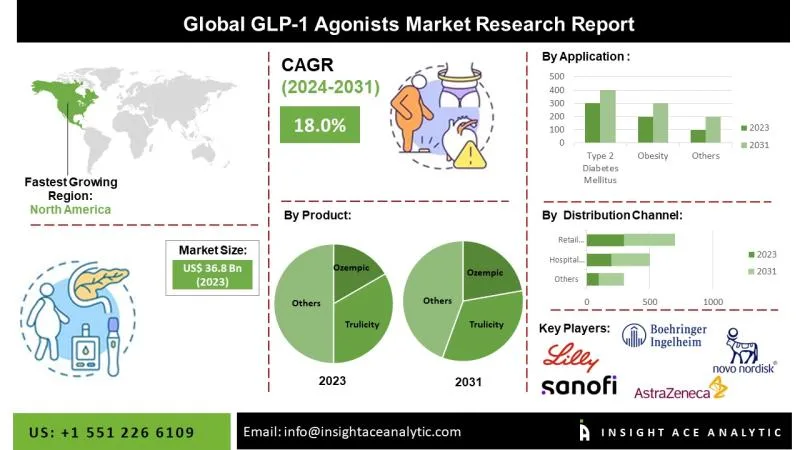
The global GLP-1 agonists market is projected to exceed
USD 260.1 billion by 2034, showing a
compound annual growth rate (CAGR) of 19.9% throughout the forecast period.
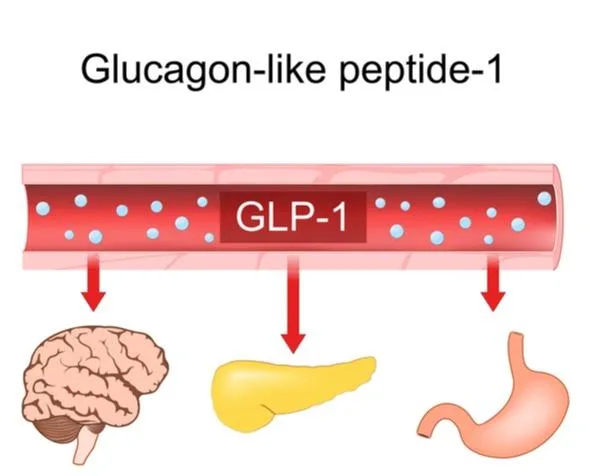
Glucagon-like
peptide-1 (GLP-1) receptor agonists represent a class of therapeutic agents primarily used for managing type 2
diabetes. These agents mimic the physiological effects of endogenous GLP-1, a hormone essential for glucose homeostasis. By activating GLP-1 receptors, they enhance glucose-dependent
insulin secretion and decrease glucagon release from pancreatic alpha cells under hyperglycemic conditions. Suppressing glucagon, which stimulates hepatic glucose production through glycogenolysis, contributes to better glycemic control.
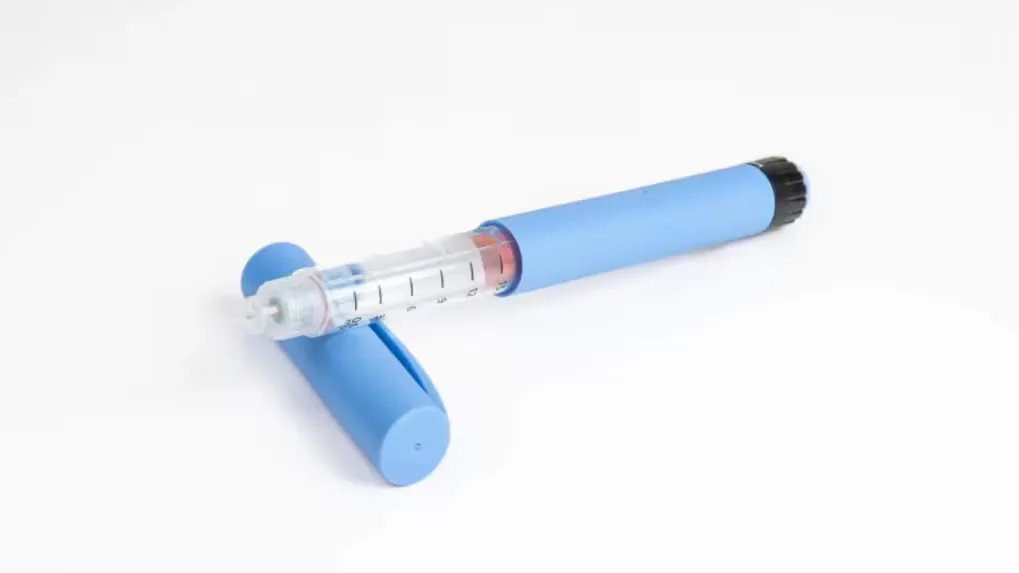
While GLP-1 receptor agonists share a similar pharmacological mechanism, they differ in formulation, dosing frequency, administration method, and injection device design. Besides modulating insulin and glucagon levels, these agents have shown potential benefits in preserving pancreatic function by promoting beta-cell proliferation and reducing beta-cell apoptosis. Health tracking apps like
Shotlee can help monitor the effectiveness of these medications.
The global GLP-1 receptor agonist market is expected to experience considerable growth, fueled by continuous innovations in therapeutic development and drug delivery technologies. An increasing demand for effective and sustainable diabetes management solutions, along with ongoing research aimed at enhancing treatment efficacy and patient adherence, is anticipated to further boost market expansion in the coming years.
Market Dynamics
Drivers:
The GLP-1 receptor agonist market is propelled by constant innovations in therapeutic interventions addressing diabetes, obesity, cardiovascular conditions, and related comorbidities. The increasing global incidence of metabolic disorders has prompted pharmaceutical companies to intensify research and development efforts, targeting both physiological and behavioral aspects of disease management.
Leading industry players are focusing on enhancing GLP-1 receptor agonist therapies through advanced formulation technologies, improved bioavailability, combination therapies, and optimized drug delivery systems. The global shift toward patient-centric and outcomes-based healthcare models is further expected to drive demand, reflecting the clinical efficacy and expanding therapeutic applications of these agents.
Challenges:
Market growth is limited by several factors, including the high cost of GLP-1 receptor agonist therapies, which restricts affordability and accessibility, especially in low- and middle-income regions. The predominantly injectable mode of administration presents challenges related to patient convenience and adherence. Furthermore, inconsistent reimbursement policies and variable insurance coverage limit broader market penetration. Disruptions caused by the COVID-19 pandemic, including supply chain interruptions and delays in clinical operations, compounded these challenges. A shortage of trained healthcare professionals and the absence of standardized global treatment protocols further hinder the widespread adoption of these therapies.
Regional Trends
North America is projected to maintain its leadership in the global GLP-1 receptor agonist market, supported by a strong healthcare infrastructure, significant research and development investments, and a high prevalence of type 2 diabetes. The presence of major pharmaceutical companies and rapid advancements in drug formulation and delivery technologies further reinforce the region's dominant market position.
Europe is anticipated to capture a substantial share of the market, driven by government initiatives promoting early diabetes detection and management, favorable reimbursement frameworks, and increasing healthcare expenditure. The region's stringent regulatory environment and growing emphasis on preventive healthcare continue to facilitate the adoption of GLP-1 receptor agonist therapies, supporting sustained market growth across key European economies.
Recent Developments
- In June 2023, Lilly and Company (NYSE: LLY) continued to extend the tender bid to acquire all of POINT Biopharma Global Inc.'s common stock for $12.50 per share in cash, excluding interest and any applicable tax withholding. The offer was originally announced to acquire all issued and outstanding shares ("Shares") of POINT Biopharma Global Inc.
- In September 2023, Novo Nordisk A/S and Inversago Pharma announced that if certain commercial and development goals are met, Novo Nordisk will acquire Inversago for a cash price of up to $1.0775 billion. Among the metabolic disorders, obesity, and associated complications, Inversago Pharma of Montreal is researching and developing medicines based receptors.
Segmentation of GLP-1 Agonists Market
By Route of Administration:
By Molecule:
By Distribution Channel:
- Hospital Pharmacies
- Retail Pharmacies
- Others
By Region:
- North America
- Europe
- Germany
- The UK
- France
- Italy
- Spain
- Rest of Europe
- Asia-Pacific
- China
- Japan
- India
- South Korea
- Southeast Asia
- Rest of Asia Pacific
- Latin America
- Brazil
- Argentina
- Rest of Latin America
- Middle East & Africa
- GCC Countries
- South Africa
- Rest of the Middle East and Africa