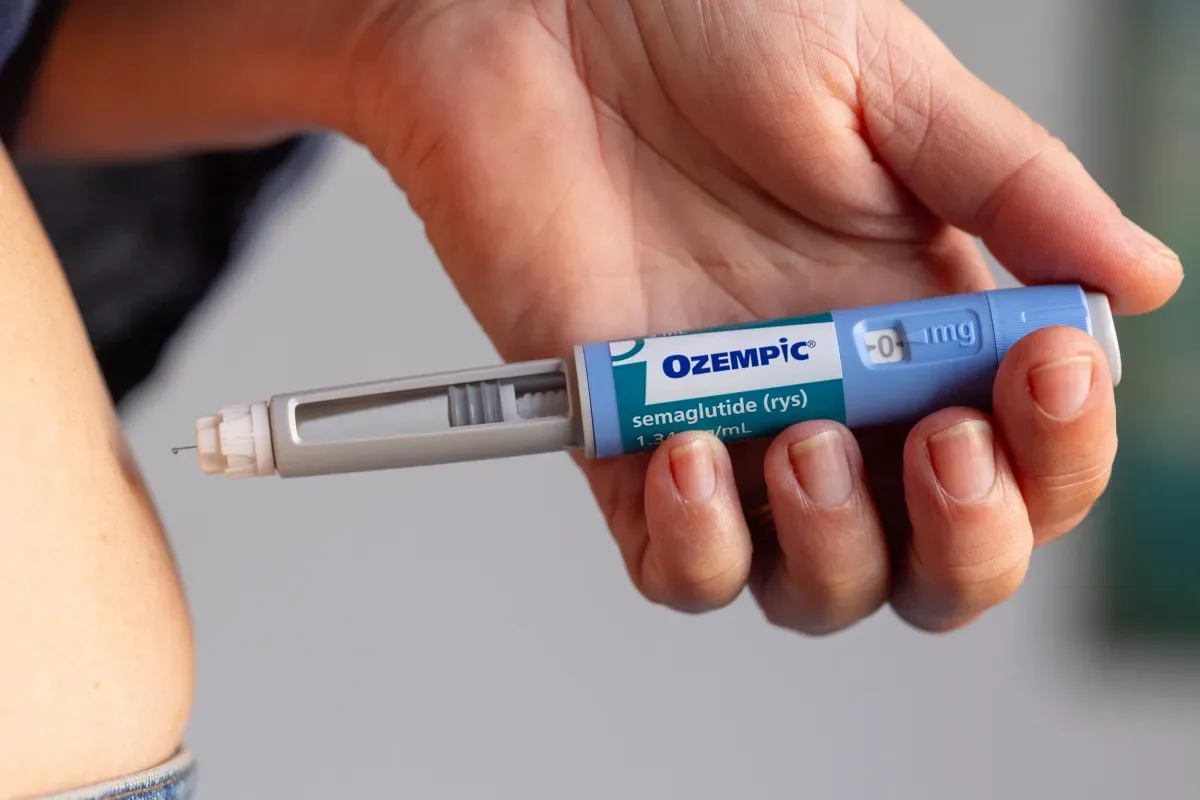

Ozempic side effects on voice are coming under scrutiny following a personal account from Brigita Szelidová, a seasoned Slovak singer. The growing use of semaglutide drugs, marketed under brand names like Ozempic and Wegovy, continues to ripple through various sectors, extending beyond pharmaceutical and healthcare industries. Recent reports highlight a concerning side effect for some professional singers: potential vocal impairment.
Who is Brigita Szelidová?
Brigita Szelidová boasts over three decades of experience in the music industry. Her career includes work as a backing vocalist for prominent Slovak artists such as Peter Nagy, Rob Grigorov, and Fredy Ayisi. She also spent three seasons performing at the Slovak National Theatre and released the album Duets in 2018, earning several accolades.
Szelidová was officially prescribed Ozempic by a doctor to manage diabetes. Despite the benefits in regulating her blood sugar and aiding weight loss, she acknowledges a potential link between the medication and the loss of her vocal capabilities. "I had a large range, that is gone," she stated, adding that even simpler songs are now challenging to perform.
Her Experience with Ozempic and Vocal Changes
According to a report in Plus 7 DNÍ, Szelidová's vocal range has been significantly diminished after using Ozempic. While initially prescribed for type 2 diabetes and obesity, the off-label use of these drugs for weight loss is raising questions about unforeseen consequences, particularly for those whose livelihood depends on their voice.
Szelidová's candid admission about the impact of Ozempic on her voice serves as a cautionary tale within the music community. Her experience suggests a previously less-publicized potential side effect: impact on vocal cords and range. The exact mechanism behind this remains unclear, but it's speculated that the rapid weight loss and potential metabolic changes induced by Ozempic could affect the muscles and tissues involved in vocal production.
Understanding Vocal Production and Potential Impacts
The voice relies on a delicate balance of laryngeal muscles, vocal folds, and supporting tissues. Rapid weight loss from GLP-1 agonists like semaglutide may lead to dehydration of these tissues or changes in muscle mass, potentially altering pitch control and range. While further research is needed to determine the extent of this risk and identify potential mitigation strategies, Szelidová's case underscores the importance of monitoring vocal health during treatment.
How Ozempic Works: GLP-1 Mechanism Explained
Ozempic, a glucagon-like peptide-1 (GLP-1) receptor agonist, works by mimicking the effects of the GLP-1 hormone, which regulates appetite and blood glucose levels. Originally developed for type 2 diabetes management, it has gained popularity for its weight loss effects. The drug promotes feelings of fullness, leading to reduced food intake.
Clinically, this mechanism helps patients with type 2 diabetes achieve better glycemic control and modest weight reduction, often 10-15% of body weight over time. For performers like Szelidová, who used it legitimately for diabetes, the benefits must be weighed against rare but impactful side effects like vocal changes.
Precision tracking for your journey
Join thousands using Shotlee to accurately track GLP-1 medications and side effects.
📱 Get the Shotlee App
Track your GLP-1 medications, peptides, and health metrics on the go with our mobile app!
Common and Serious Side Effects of Ozempic
- Common side effects: Nausea, vomiting, diarrhea, and constipation.
- More serious, though less common: Pancreatitis and gallbladder problems.
- Emerging concerns: Potential vocal impairment, as reported by Szelidová.
Patients starting Ozempic should track symptoms meticulously. Tools like Shotlee can help log side effects, medication schedules, and vocal changes to share with healthcare providers.
Broader Pressures in the Performing Arts Industry
Szelidová's case isn't isolated. Concerns are growing within the opera world, with singers reportedly feeling pressured to use weight loss drugs to remain competitive. A GB News report from June 30, 2025, details how an article in The Times highlighted this increasing pressure. The fear of losing roles to performers who are perceived as meeting current body image standards is driving some singers to consider these medications, despite potential risks.
The issue extends beyond opera. The broader performing arts industry often places a significant emphasis on physical appearance, and the availability of quick weight loss solutions like Ozempic may exacerbate existing pressures. While Szelidová emphasizes that she uses the drug for a legitimate medical reason—diabetes—the accessibility and promotion of Ozempic for cosmetic purposes are contributing to a complex situation.
Contrasting Experiences Among Singers
Another singer shared a positive experience with Ozempic on Facebook, stating the drug "saved" her after undergoing surgeries and procedures that slowed her progress. This highlights the varied experiences individuals can have with the medication, emphasizing the need for personalized medical advice.
What This Means for Patients and Performers
The situation raises broader questions about the intersection of health, body image, and professional performance. While maintaining a healthy weight is important for overall well-being, the pressure to conform to specific aesthetic standards can be detrimental, particularly in industries where physical appearance is heavily scrutinized.
For those in voice-dependent professions considering Ozempic or Wegovy:
- Discuss vocal health risks with your doctor before starting.
- Monitor for early signs of range changes or hoarseness.
- Consider alternatives like lifestyle interventions or other diabetes medications if vocal performance is critical.
- Compare with other GLP-1 options, but note all carry similar mechanisms and potential risks.
The discussion on Facebook points to a potential future where preventative use of Ozempic becomes more common, even for those not yet diagnosed with diabetes, to avoid future health complications. This raises ethical questions about the medicalization of weight management and the potential for widespread, long-term effects.
Key Takeaways
- Brigita Szelidová, a veteran Slovak singer, lost significant vocal range after Ozempic use for diabetes management.
- Her quote: "I had a large range, that is gone," highlights challenges even with simple songs.
- GLP-1 drugs like Ozempic offer benefits for diabetes and weight loss but may pose vocal risks for singers.
- Industry pressures in opera and performing arts amplify off-label use concerns.
- Always consult healthcare providers, especially if your profession relies on vocal precision.
Conclusion: Informed Decisions on Ozempic and Vocal Health
The case of Brigita Szelidová serves as a stark reminder that even medications prescribed for legitimate medical conditions can have unforeseen consequences. As the use of Ozempic and similar drugs continues to rise, it's crucial for individuals, particularly those in professions that rely on specific physical capabilities, to be fully informed about the potential risks and benefits before making any decisions. The performing arts community, in particular, needs to engage in a thoughtful conversation about health, body image, and the pressures faced by performers in a rapidly changing landscape. By prioritizing comprehensive monitoring and open dialogue with physicians, users can better navigate these GLP-1 therapies.