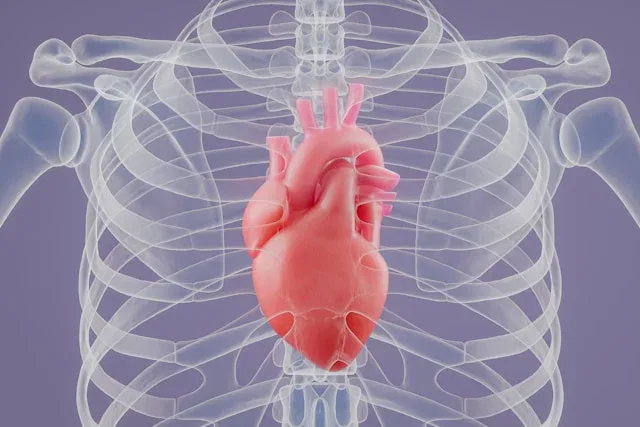
Understanding the Link Between Obesity and Heart Failure
For years, clinicians have struggled to treat Heart Failure with Preserved Ejection Fraction (HFpEF), a complex condition where the heart pumps normally but fails to fill properly. Recent research from Johns Hopkins Medicine has finally shed light on why this condition is so prevalent in patients with severe obesity.
The study, published in Science, identifies a critical biological mechanism: severe obesity doesn't just make the heart stiff; it actively weakens the individual muscle cells (myocytes) responsible for contraction. This discovery changes our understanding of the condition and offers a beacon of hope for millions.
The Role of Myocyte Dysfunction
Using advanced molecular techniques, researchers analyzed heart biopsies from 80 patients. They discovered that in patients with a BMI over 40, the heart’s sarcomeres—the fundamental units of muscle contraction—were structurally disorganized and functionally impaired. This is distinct from the traditional view that HFpEF is merely a result of age-related stiffness.
The study pinpointed troponin I phosphorylation as a primary culprit. This biochemical modification hinders the muscle's ability to contract effectively, directly linking obesity-induced metabolic shifts to physical cardiac weakness.
Precision tracking for your journey
Join thousands using Shotlee to accurately track GLP-1 medications and side effects.
📱 Get the Shotlee App
Track your GLP-1 medications, peptides, and health metrics on the go with our mobile app!
Weight Loss as a Therapeutic Frontier
Perhaps the most encouraging finding is the potential for recovery. The study observed that patients who achieved a weight loss of at least 10% through interventions, including GLP-1 receptor agonists (such as semaglutide), showed near-normalization of cardiac muscle function.
This suggests that the damage caused by obesity is not necessarily permanent. By utilizing medical weight management tools, such as Shotlee to track your progress and health markers, patients can actively participate in the reversal of these cardiac impairments.
Precision Medicine and Future Care
The research emphasizes the need for a shift in clinical strategy. Not all heart failure treatments are created equal. For instance, certain myosin inhibitors that work for genetic cardiomyopathies might actually be detrimental to obese patients with HFpEF. Precision medicine, guided by these new molecular insights, will be the standard for future care.
Practical Takeaways for Heart Health
- Prioritize Metabolic Health: Significant, sustained weight loss is linked to improved cardiac cellular function.
- Monitor Your Metrics: Using health tracking apps like Shotlee can help you stay consistent with your weight loss and wellness goals.
- Consult Your Cardiologist: Discuss the latest peptide therapies and GLP-1 options if you struggle with obesity-related heart strain.
- Focus on Sustainable Habits: Rapid weight loss is less effective than the sustained, long-term reduction seen in clinical success stories.
Conclusion
The findings from Johns Hopkins represent a paradigm shift in cardiology. By understanding the molecular mechanisms linking severe obesity to cardiac weakness, we can better utilize tools like GLP-1 therapy and lifestyle monitoring to restore heart function. Your journey to better heart health starts with informed, data-driven decisions.