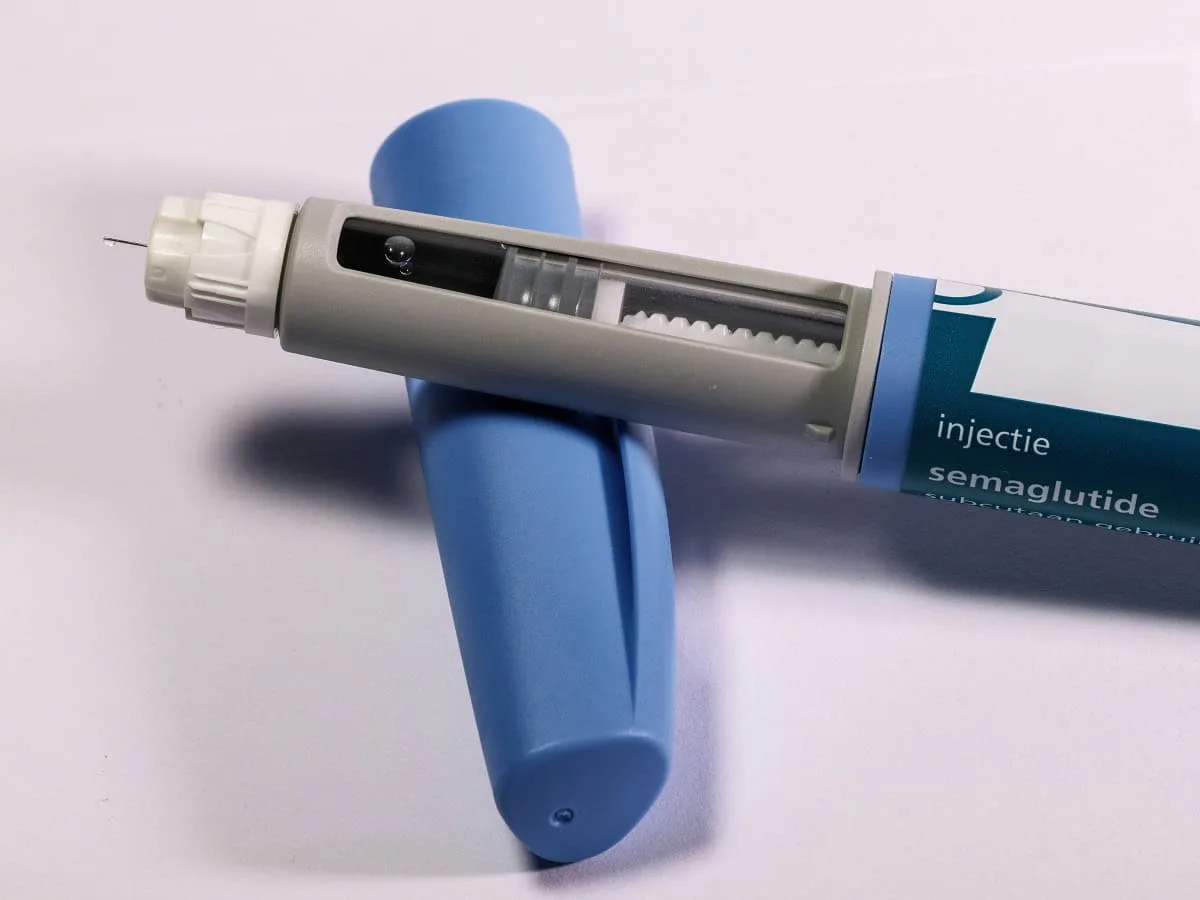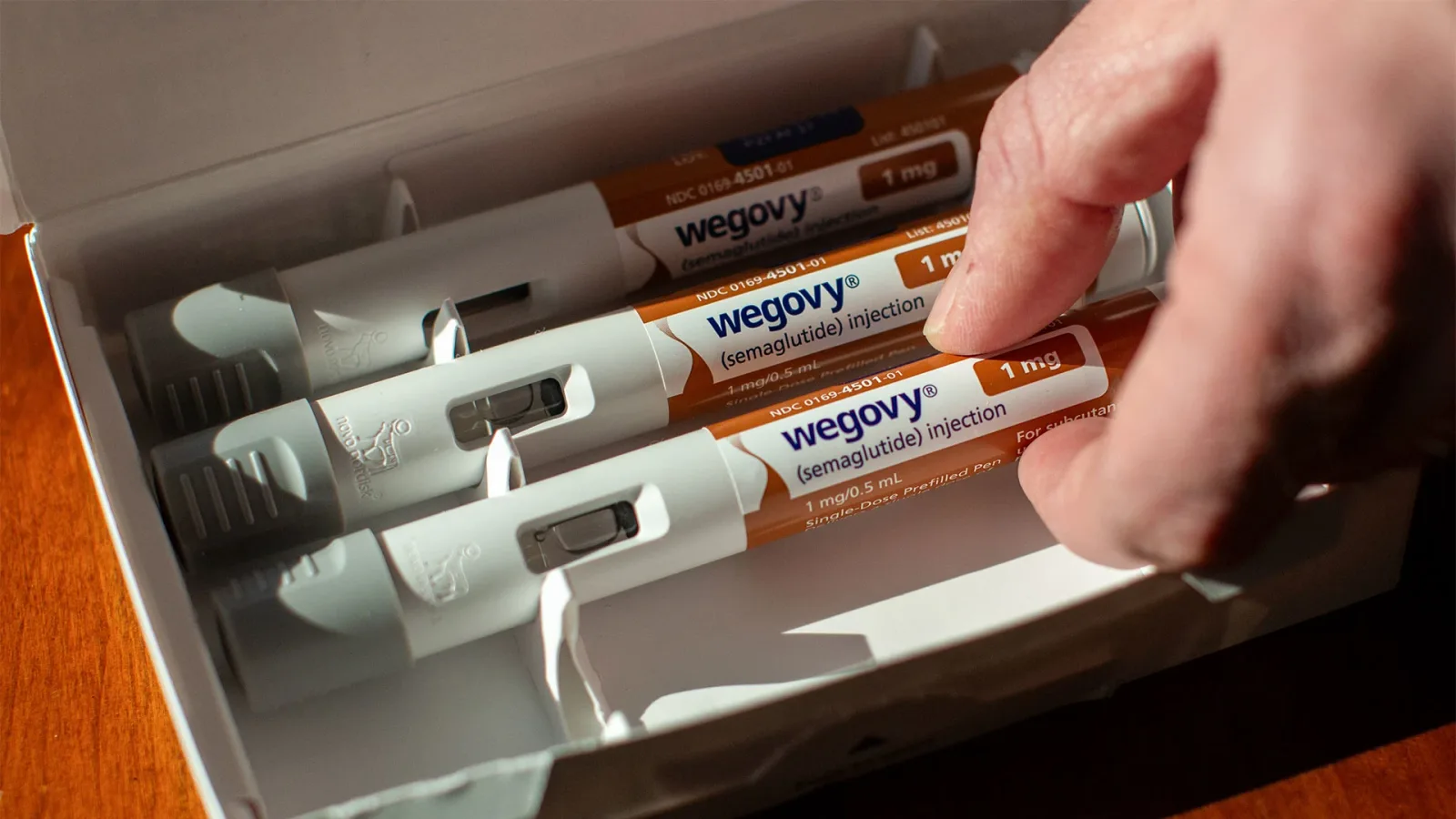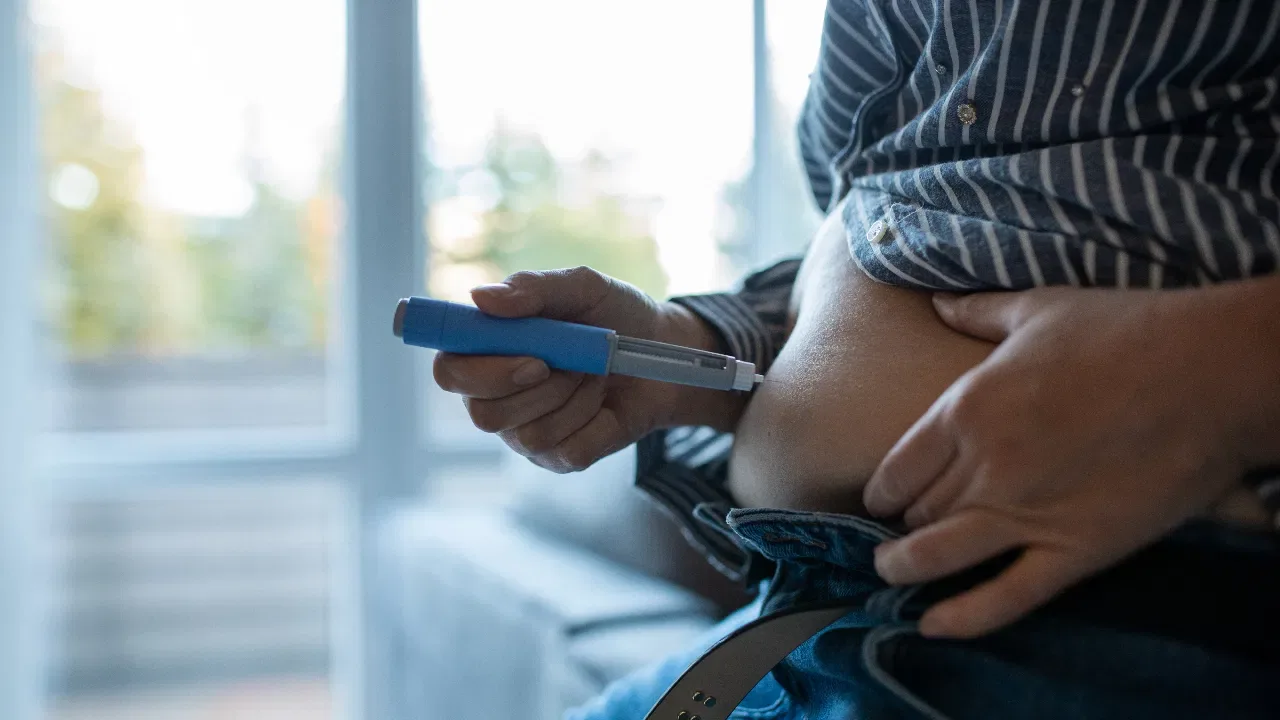

In a promising development for global health, a new analysis of Indian export data indicates that the semaglutide production cost for injectable formulations—the active ingredient in blockbuster medications like Wegovy and Ozempic—is as low as $3 per month. Oral versions could be manufactured for around $16 per month. This revelation highlights the potential for generic semaglutide to dramatically improve access to treatments for millions worldwide battling obesity and diabetes, especially in lower-income countries.
The Breakthrough in Semaglutide Production Costs
The World Health Organization (WHO) designated semaglutide as an essential medicine last year, underscoring its critical role in tackling obesity and diabetes amid escalating global health challenges. Despite this recognition, high prices have long been a barrier. Now, with patents expiring this year in key markets like Brazil, China, and India, generic manufacturers are poised to enter, potentially slashing costs and broadening availability.
Researchers drawing from Indian export data emphasize that these low production figures are realistic and scalable. For context, injectable semaglutide at $3 per month aligns with successful pricing models for other essential drugs. Oral formulations at $16 per month further enhance feasibility, offering options for patients who prefer non-injectable therapies.
Why Production Costs Matter for Patients
Low semaglutide production costs mean generics could make GLP-1 receptor agonists accessible beyond high-income settings. Patients in low- and middle-income countries, where obesity rates are surging due to shifting diets and urbanization, stand to benefit most. Tools like Shotlee for tracking medication schedules and symptoms could support adherence as these therapies proliferate.
Patent Expirations: A Timeline for Generic Availability
The expiration of core patents on semaglutide is unfolding in phases, creating a clear path for generics. Beyond Brazil, China, and India, patents expire from March 21st in Turkey, Mexico, and Canada. Notably, researchers have identified approximately 150 countries where patents were never filed, including most African nations, enabling immediate generic production without legal hurdles.
This staggered rollout mirrors strategies that have democratized access to treatments for HIV, tuberculosis, malaria, and hepatitis. In those cases, generic competition drove prices down to pennies per dose, saving millions of lives. Semaglutide generics could follow suit, transforming obesity and diabetes management globally.
The Global Burden of Obesity and Diabetes
More than one billion people worldwide live with obesity, with rates rising rapidly in lower-income nations. These epidemics fuel serious comorbidities like heart disease, stroke, and cancer. Diabetes compounds the crisis, affecting blood sugar regulation and amplifying cardiovascular risks. Affordable semaglutide addresses this by targeting both weight loss and glycemic control.
Semaglutide's Mechanism: How GLP-1 Agonists Work
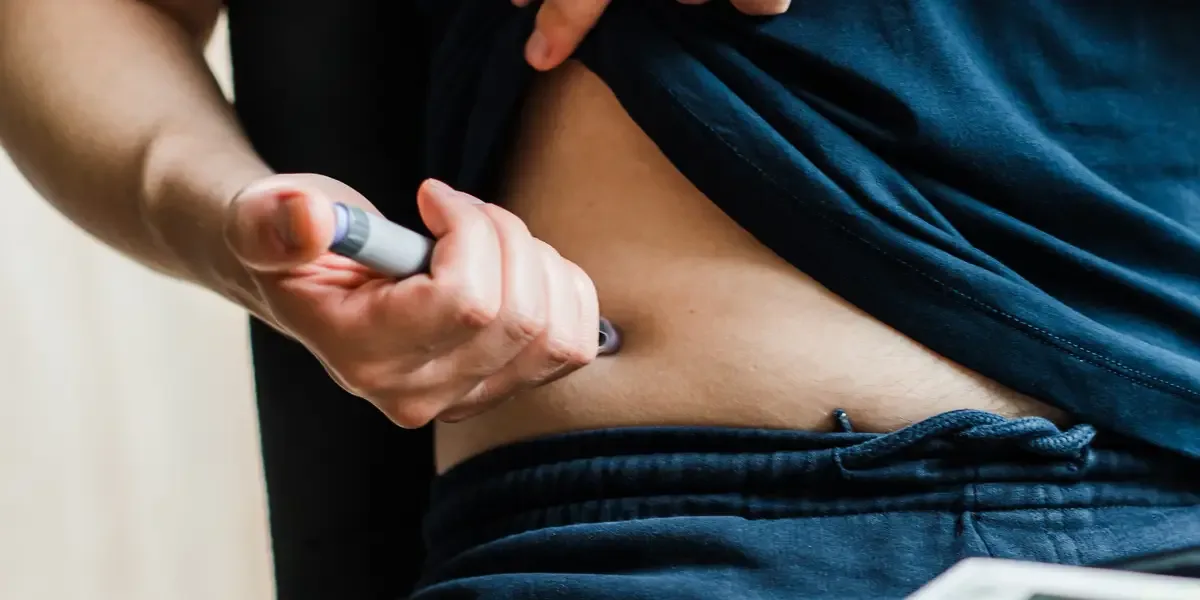
Semaglutide belongs to the class of GLP-1 receptor agonists, which mimic the glucagon-like peptide-1 hormone. This hormone naturally regulates appetite by signaling fullness to the brain, slows gastric emptying, and boosts insulin secretion while suppressing glucagon. Once-weekly injections offer convenience over earlier drugs like liraglutide, developed by Novo Nordisk in the mid-2000s, with superior weight loss in clinical trials—up to 15-20% body weight reduction in some studies.
Precision tracking for your journey
Join thousands using Shotlee to accurately track GLP-1 medications and side effects.
📱 Get the Shotlee App
Track your GLP-1 medications, peptides, and health metrics on the go with our mobile app!
For diabetes, semaglutide lowers A1C levels effectively, reducing complications. In obesity, it curbs hunger and promotes sustained weight management, outperforming lifestyle interventions alone in long-term data.
Comparing Semaglutide to Alternatives
Unlike older diabetes drugs like metformin or sulfonylureas, GLP-1 agonists like semaglutide provide dual benefits for weight and glucose control with cardiovascular protections observed in trials. Compared to bariatric surgery, it's less invasive and now potentially far cheaper with generics. In low-resource settings, generics undercut branded Ozempic (list price ~$1,000/month in the US) dramatically.
Novo Nordisk's Ozempic and Wegovy have generated billions in revenue, but generic entry will foster competition, much like statins or insulin analogs before them.
Safety, Side Effects, and Responsible Use
While promising, semaglutide requires careful integration. Common side effects include nausea, vomiting, and diarrhea, typically mild and transient. Rare risks like pancreatitis or thyroid tumors necessitate monitoring. Experts stress it's not a standalone fix—poverty, food insecurity, and unhealthy environments drive epidemics.
Comprehensive care involves lifestyle changes, dietary counseling, and regular check-ups. Patients should discuss with doctors: Is semaglutide right for my BMI, diabetes status, or comorbidities? What about dose titration from 0.25mg weekly?
Healthcare System Integration
In the US, GLP-1 demand strains Medicaid budgets. Globally, generics demand supply chain readiness, prescriber training, and equity-focused distribution. Monitoring utilization prevents overuse while maximizing benefits.
Key Takeaways: What This Means for Patients
- Semaglutide production costs: $3/month injectables, $16/month oral.
- Patents expiring in Brazil, China, India; March 21st in Turkey, Mexico, Canada; 150 countries patent-free.
- WHO essential medicine for obesity/diabetes, affecting 1B+ people.
- Complements lifestyle interventions; GLP-1 mimics regulate appetite/blood sugar.
- Discuss with providers; track progress with apps like Shotlee for side effects and adherence.
Conclusion: A Step Forward in the Fight Against Obesity and Diabetes
The potential for widespread generic semaglutide at rock-bottom production costs represents a significant step forward. By lowering barriers in low-income countries and fostering competition, it could enhance health outcomes for millions. Yet, medication is one piece—tackling root causes through policy, education, and holistic care remains essential. Patients: Consult your doctor to explore if semaglutide fits your needs as generics emerge.