Introduction
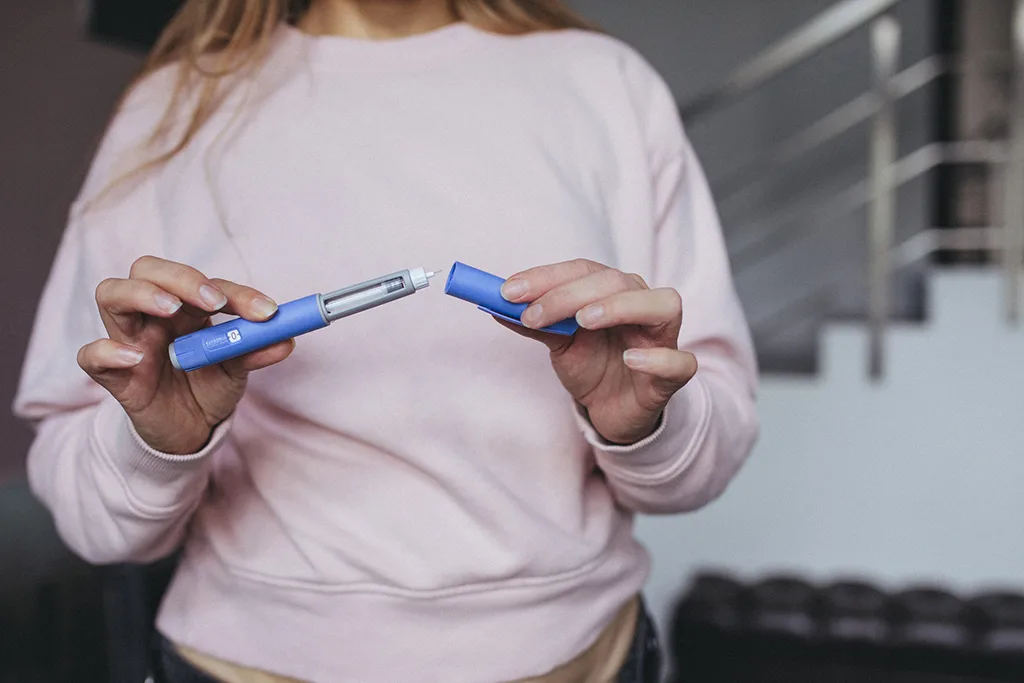
The surge in popularity of GLP-1 receptor agonists like Ozempic and Wegovy has revolutionized metabolic health and weight management. These injectable medications, powered by the active ingredient semaglutide, mimic the GLP-1 hormone to curb appetite, slow gastric emptying, and improve blood sugar control. For millions battling obesity or type 2 diabetes, they've delivered 15-20% body weight loss in clinical trials. Yet, their steep prices—often $1,000+ monthly—have sparked debates on accessibility.
Enter a pivotal shift: patent expirations are opening the door to generics. Leading this charge is Galenicum, a Barcelona-based pharmaceutical firm now producing semaglutide. This development promises lower costs and broader access, especially in emerging markets. In this comprehensive guide, we'll dissect the science, timelines, market dynamics, and patient implications of semaglutide generics.
What is Semaglutide and How Does It Work?
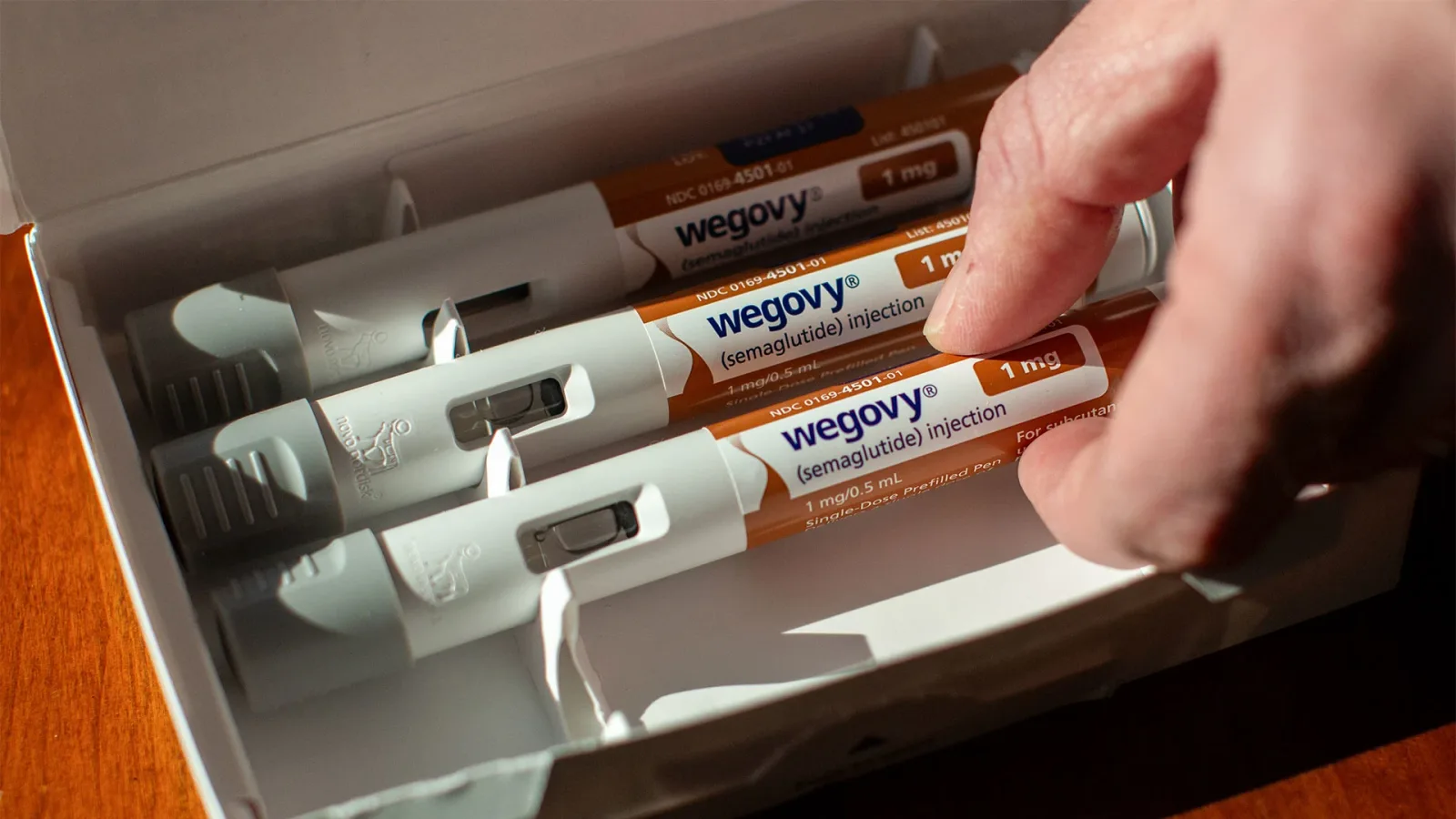
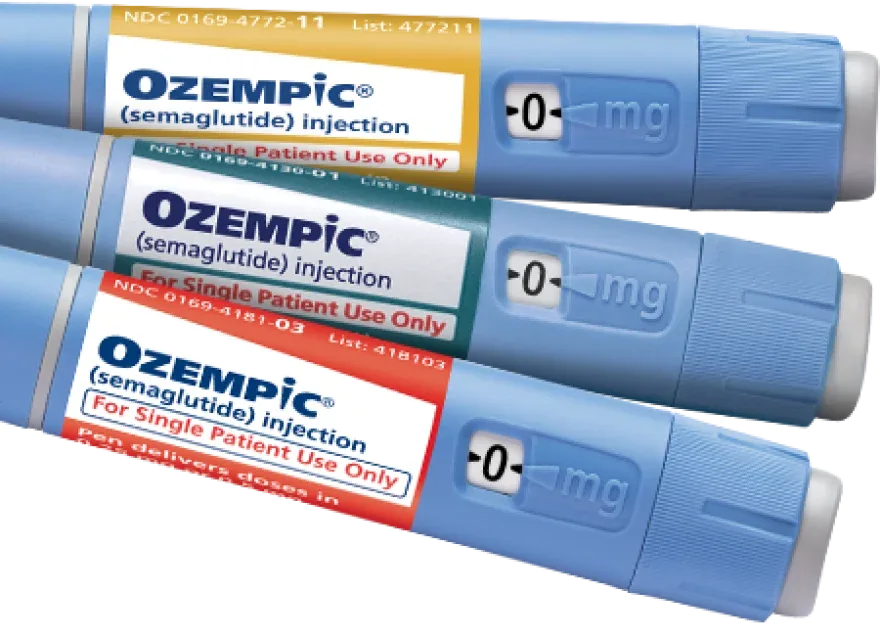
Semaglutide is a glucagon-like peptide-1 (GLP-1) receptor agonist, a class of drugs originally developed for type 2 diabetes but now pivotal in obesity treatment. Brand names include Ozempic (for diabetes) and Wegovy (for weight loss), both from Novo Nordisk.
Mechanistically, semaglutide binds to GLP-1 receptors in the pancreas, brain, and gut. This triggers:
- Enhanced insulin secretion in response to meals, lowering blood glucose.
- Reduced glucagon release, preventing excess sugar production.
- Satiety signaling in the hypothalamus, reducing hunger and calorie intake.
- Delayed gastric emptying, promoting fullness longer.
Key trials like STEP (Semaglutide Treatment Effect in People with obesity) showed 14.9-17.4% weight loss at 68 weeks versus 2.4% on placebo. Dosing starts at 0.25 mg weekly, titrating to 2.4 mg for Wegovy. Side effects—nausea, vomiting, diarrhea—affect 20-40% initially but often wane.
"Semaglutide's dual benefits on weight and cardiometabolic risk make it a cornerstone of modern therapy." – SELECT trial, showing 20% reduction in major adverse cardiovascular events.
Novo Nordisk's Patent Landscape: When Does Exclusivity End?
Novo Nordisk has dominated semaglutide sales, propelling its market cap to Europe's highest. However, patents are time-limited:
- 2026: Expiry in Canada, Brazil, Turkey, India, and China—prime markets for affordable generics.
- 2030: Europe and US follow, unleashing full competition.
These timelines stem from original filings around 2012. Post-expiry, any firm meeting bioequivalence standards can produce versions. This mirrors statins or insulin generics, where prices plummeted 80-90%.
Clinical Equivalence: Branded vs. Generic
Generics must demonstrate identical active ingredient purity, stability, and bioavailability via FDA/EMA bioequivalence studies. For semaglutide, this means matching pharmacokinetics (e.g., Cmax, AUC). Early data suggests generics perform comparably, preserving efficacy.
Galenicum: Spain's Entry into Semaglutide Production
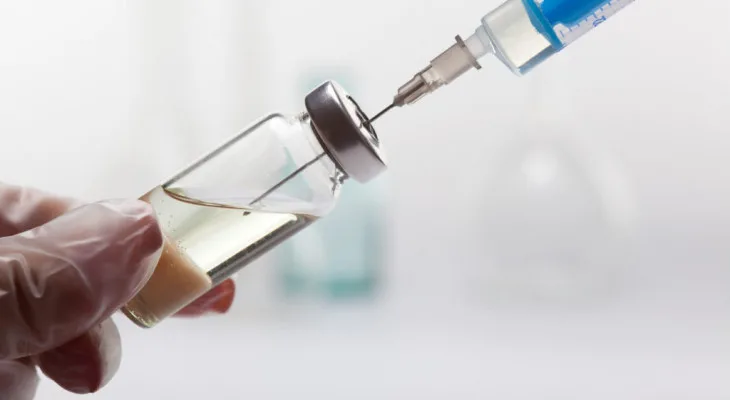
Galenicum, a Catalan pharmaceutical specialist, has begun manufacturing semaglutide API (active pharmaceutical ingredient). They're marketing it in 23 countries, including Spain, Canada, and India—strategically ahead of 2026 expirations.
Aiming to be a global supplier, Galenicum leverages Europe's stringent GMP standards for quality. Their version targets compounders and finished-dose producers, undercutting Novo Nordisk's pricing. By localizing production, they reduce import costs, vital for price-sensitive regions.
Precision tracking for your journey
Join thousands using Shotlee to accurately track GLP-1 medications and side effects.
📱 Get the Shotlee App
Track your GLP-1 medications, peptides, and health metrics on the go with our mobile app!
This isn't isolated: Firms in China and India are scaling too, but Galenicum's EU base offers regulatory trust.
The Booming Semaglutide Market: Forecasts and Trends
GLP-1 demand is explosive. Semaglutide alone is projected to grow from $64.42 billion in 2025 to $170.75 billion by 2033 (CAGR ~13%). Broader GLP-1 market could hit $100B+ annually, driven by obesity epidemics (1 in 8 people globally obese).
Generics will accelerate this: Expect 50-70% price drops post-2026 in key markets. In the US, where Wegovy lists at $1,349/month, generics could halve costs by 2031.
Competition from Other GLP-1s
Semaglutide faces rivals like tirzepatide (Mounjaro/Zepbound, Eli Lilly), a dual GLP-1/GIP agonist with superior 20-22% weight loss (SURMOUNT trials). Tirzepatide patents extend longer, but generics loom by 2036+.
Implications for Patients: Access, Affordability, and Safety
For health-conscious individuals or those on GLP-1s, generics mean:
- Affordability: Transitioning from branded could save thousands yearly.
- Availability: More supply reduces shortages plaguing Ozempic.
- Global equity: Lower-income countries gain entry-level options.
Safety first: Source from licensed pharmacies. Monitor side effects—GI issues, pancreatitis risk (rare, <1%)—via titration and lifestyle (high-protein diet, hydration). Tools like Shotlee can help track symptoms, side effects, and nutrition alongside medication for personalized insights.
Patient Advice for Switching
Consult providers before changing. Generics may differ in device (pen vs. vial), but efficacy holds. Combine with exercise (150 min/week) and diet for sustained 10-15% loss.
Challenges and Future Outlook
Risks include manufacturing quality variances or counterfeit influx—stick to regulated sources. Supply chains may lag initially. Long-term: Oral semaglutide (Rybelsus) and next-gen multi-agonists expand options.
By 2030, expect a mature generic market rivaling statins, democratizing metabolic health.
Conclusion
Galenicum's semaglutide production heralds a new era for Ozempic and Wegovy users: cheaper, accessible GLP-1 therapy without sacrificing science-backed results. As patents expire, patients worldwide stand to benefit, but prioritize evidence-based use with medical guidance. Track progress diligently—your metabolic health journey is just accelerating.