Introduction: A Perfect Storm of Demand and Pricing Pressures
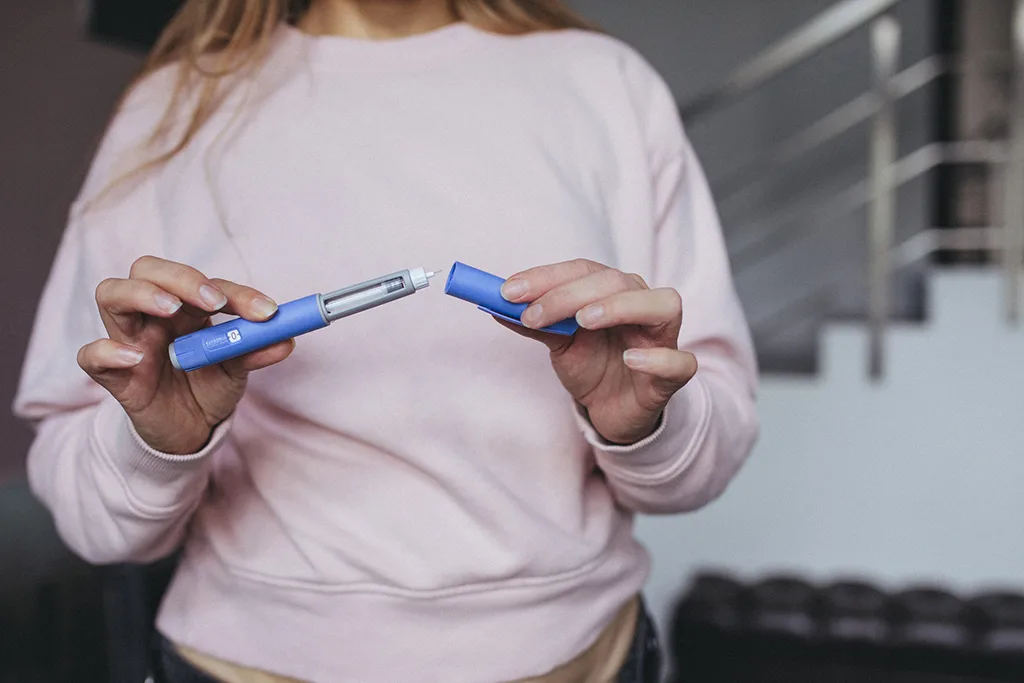
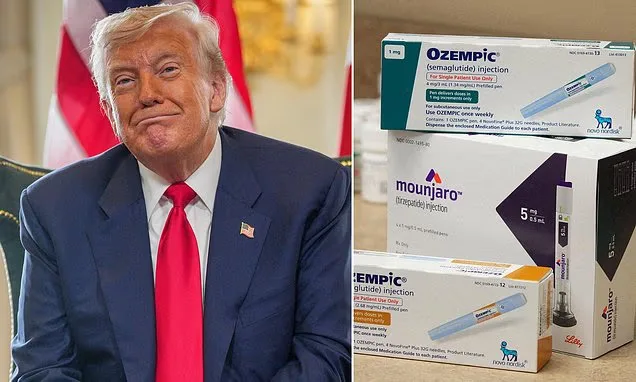
Obesity rates in Scotland have reached critical levels, with over 65% of adults classified as overweight or obese, driving demand for effective treatments. Enter GLP-1 receptor agonists—medications like Ozempic, Wegovy, and Mounjaro—that mimic gut hormones to curb appetite and promote sustainable weight loss. But recent data reveals a stark reality: Scotland's NHS is now shelling out almost £3 million monthly on these pre-filled injections, a record high partly triggered by U.S. President Donald Trump's 'America First' pharmaceutical pricing policy.
This surge isn't just numbers on a ledger; it reflects exploding patient need amid tightening budgets. Since these drugs became available on prescription a year ago, monthly prescriptions have more than doubled, hitting 18,251 in September alone at a cost of £2.71 million. For patients, this raises vital questions: Are these "fat jabs" worth it? And what happens when costs double overnight?
The Explosive Rise in GLP-1 Prescriptions in Scotland
Scotland's NHS began prescribing weight-loss GLP-1s last year, initially targeting the most severely obese patients (BMI ≥35) with weight-related comorbidities like type 2 diabetes, hypertension, or sleep apnea. Official data paints a clear trajectory:
- January: 8,207 prescriptions, £692,000 cost
- August: 15,648 prescriptions, £1.4 million cost
- September: 18,251 prescriptions, £2.71 million cost
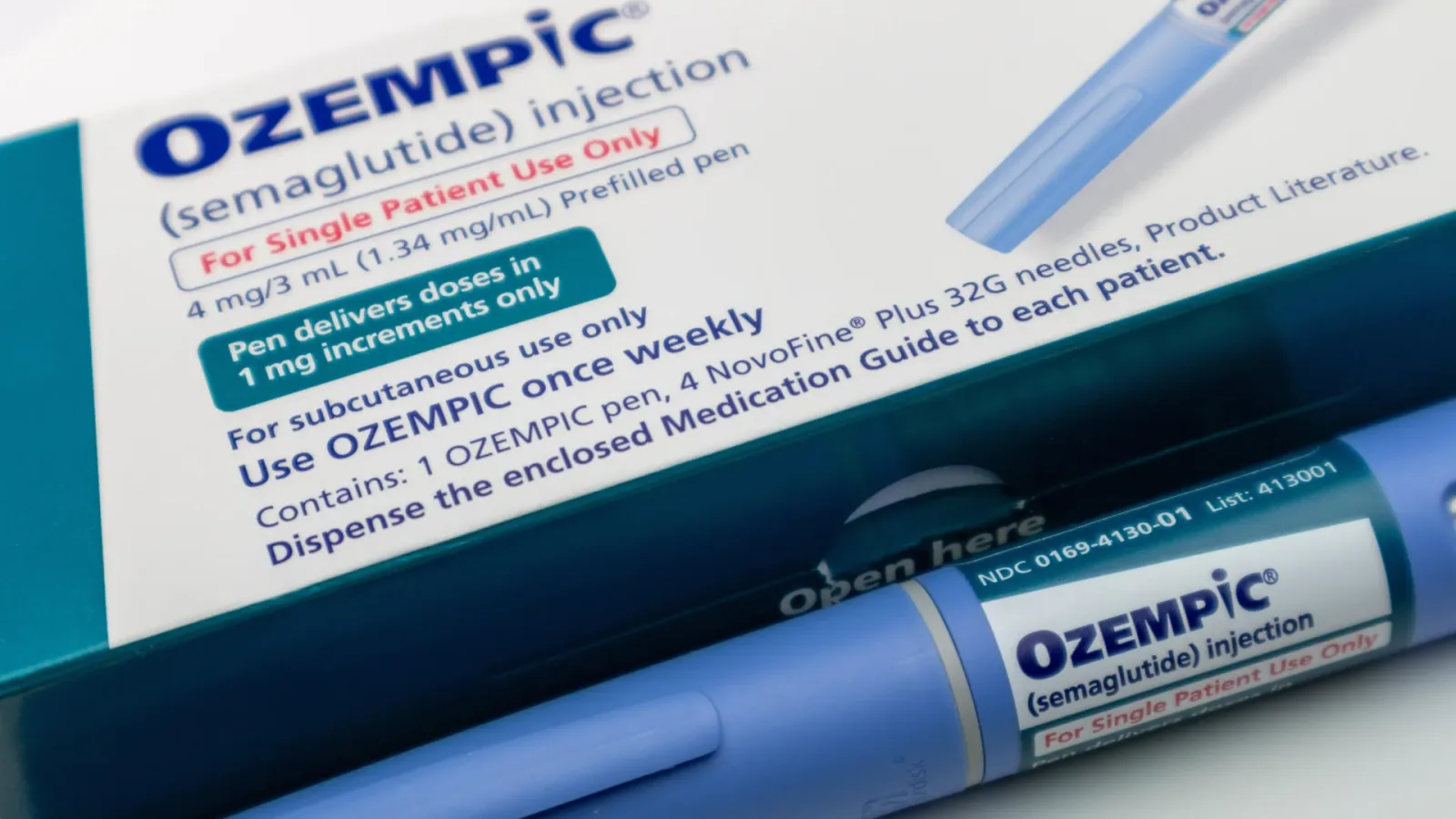
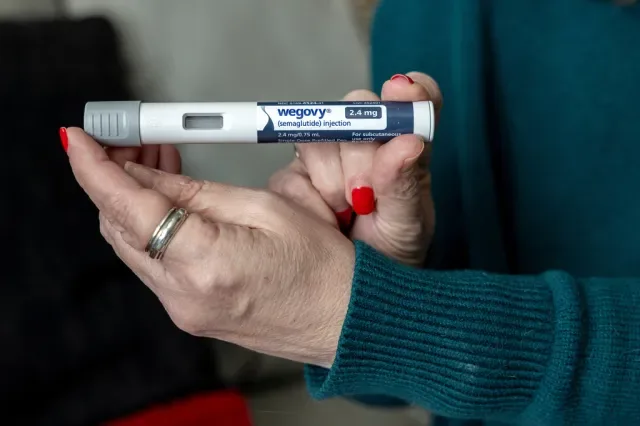
Mounjaro (tirzepatide) leads the pack, with 9,505 doses in September alone. Ozempic (semaglutide for diabetes, off-label for weight loss) and Wegovy (higher-dose semaglutide for obesity) follow, though Danish manufacturer Novo Nordisk kept their prices stable.
This demand mirrors global trends. Clinical trials like SURMOUNT-1 for Mounjaro showed 15-22% body weight reduction over 72 weeks, far surpassing lifestyle interventions alone. In Scotland's context, where obesity costs the economy £1.3 billion annually, these drugs represent a high-stakes investment.
The Trump Policy: How U.S. 'America First' Doubled Mounjaro Costs
In early September, Eli Lilly abruptly hiked Mounjaro's UK price following Trump's executive order mandating U.S. pharmaceutical firms prioritize domestic low pricing. Previously, Mounjaro sold cheaper in Britain (£99 average per dose in August) than the U.S., but the policy flipped this.
Overnight impact: August's 7,460 Mounjaro doses cost £746,110 (£100 each). September's 9,505 doses: £2.046 million (£215 each)—a 115% increase.
The Scottish Government has urged UK ministers to negotiate stable prices in any US-UK trade talks, emphasizing NHS protection as a 'red line.' For patients, this means potential rationing or stricter eligibility, even as demand climbs.
Broader Pricing Context for GLP-1s
Typical NHS costs: Ozempic (£70-£80/week), Wegovy (£170 starter pen, up to £250 maintenance), Mounjaro (£100-£215). Private sector prices are higher, often £200+ monthly. Long-term sustainability hinges on generics (unlikely soon) or biosimilars.
Decoding the Drugs: Ozempic, Wegovy, and Mounjaro Explained
Semaglutide (Ozempic and Wegovy)
Both from Novo Nordisk, these GLP-1 agonists slow gastric emptying, signal fullness via brain receptors, and improve insulin sensitivity. Ozempic (0.25-2mg weekly) is diabetes-approved; Wegovy (up to 2.4mg) is obesity-specific. STEP trials: 15% weight loss at 68 weeks, plus 20% diabetes risk reduction.
Precision tracking for your journey
Join thousands using Shotlee to accurately track GLP-1 medications and side effects.
📱 Get the Shotlee App
Track your GLP-1 medications, peptides, and health metrics on the go with our mobile app!
Tirzepatide (Mounjaro/Zepbound)
Eli Lilly's dual GLP-1/GIP agonist outperforms semaglutide in trials. SURMOUNT-2: 20.9% weight loss vs. 14.6% for semaglutide in diabetics. Weekly doses start at 2.5mg, titrating to 15mg. GIP enhances fat metabolism, explaining superior efficacy.
Key differences: Mounjaro often yields faster, greater loss; all require gradual titration to minimize GI side effects.
Clinical Benefits: Far More Than Weight Loss
Dr. Naveed Sattar, professor of metabolic medicine at the University of Glasgow, underscores: "These drugs don't simply help patients lose weight, but also hugely reduce their risk of kidney disease, heart failure, heart attacks, sleep apnoea, liver diseases, knee-pain and fatigue. Prescriptions for these drugs are money wisely spent."
Evidence backs this:
- CV benefits: SELECT trial (Wegovy): 20% reduction in major cardiac events.
- Kidney protection: FLOW trial: 24% lower risk of progression.
- Liver fat: Mounjaro reduces NAFLD by 60%+ in trials.
For Scotland's 1-in-4 adults with obesity-related conditions, GLP-1s could save billions long-term.
NHS Implications and Patient Access Challenges
Rising costs strain budgets, prompting specialist-led prescribing via weight management services. Eligibility: BMI ≥35 + conditions, or ≥30 + complications. Waiting lists grow; private options fill gaps but exacerbate inequities.
Practical Tips for GLP-1 Success and Management
To maximize benefits:
- Titrate slowly: Start low to combat nausea (affects 20-40%).
- Lifestyle synergy: Pair with 150min weekly exercise, high-protein diet (1.6g/kg body weight).
- Track progress: Tools like Shotlee can help monitor symptoms, side effects, and nutrition alongside medication for personalized insights.
- Side effects: GI issues peak early; hydrate, eat small meals. Rare: Pancreatitis—seek immediate care.
Discontinuation rebound is common (2/3 regain weight), so long-term commitment is key.
Conclusion: Balancing Costs, Benefits, and Access
Scotland's GLP-1 boom—20,000+ monthly jabs—highlights a vital weapon against obesity, despite Mounjaro's price shock from U.S. policy. With proven reductions in weight, diabetes, and CV risk, these investments yield dividends. Patients: Discuss with your GP; track diligently. Policymakers: Secure affordable supply. The battle against metabolic disease demands both innovation and equity.