
What Is Retatrutide and Why Is It Trending?
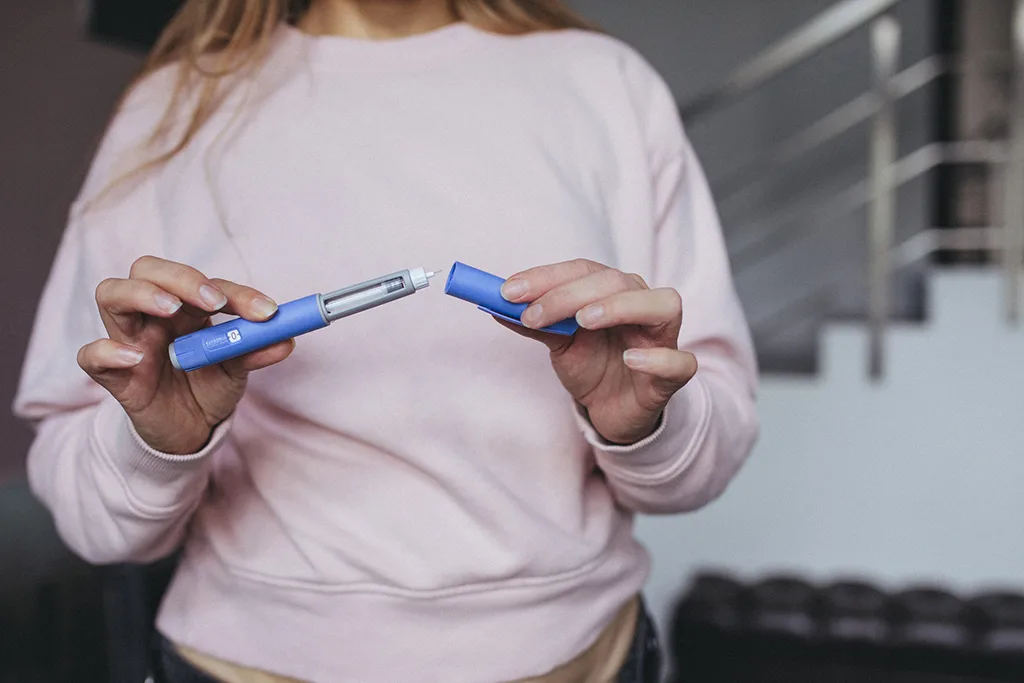
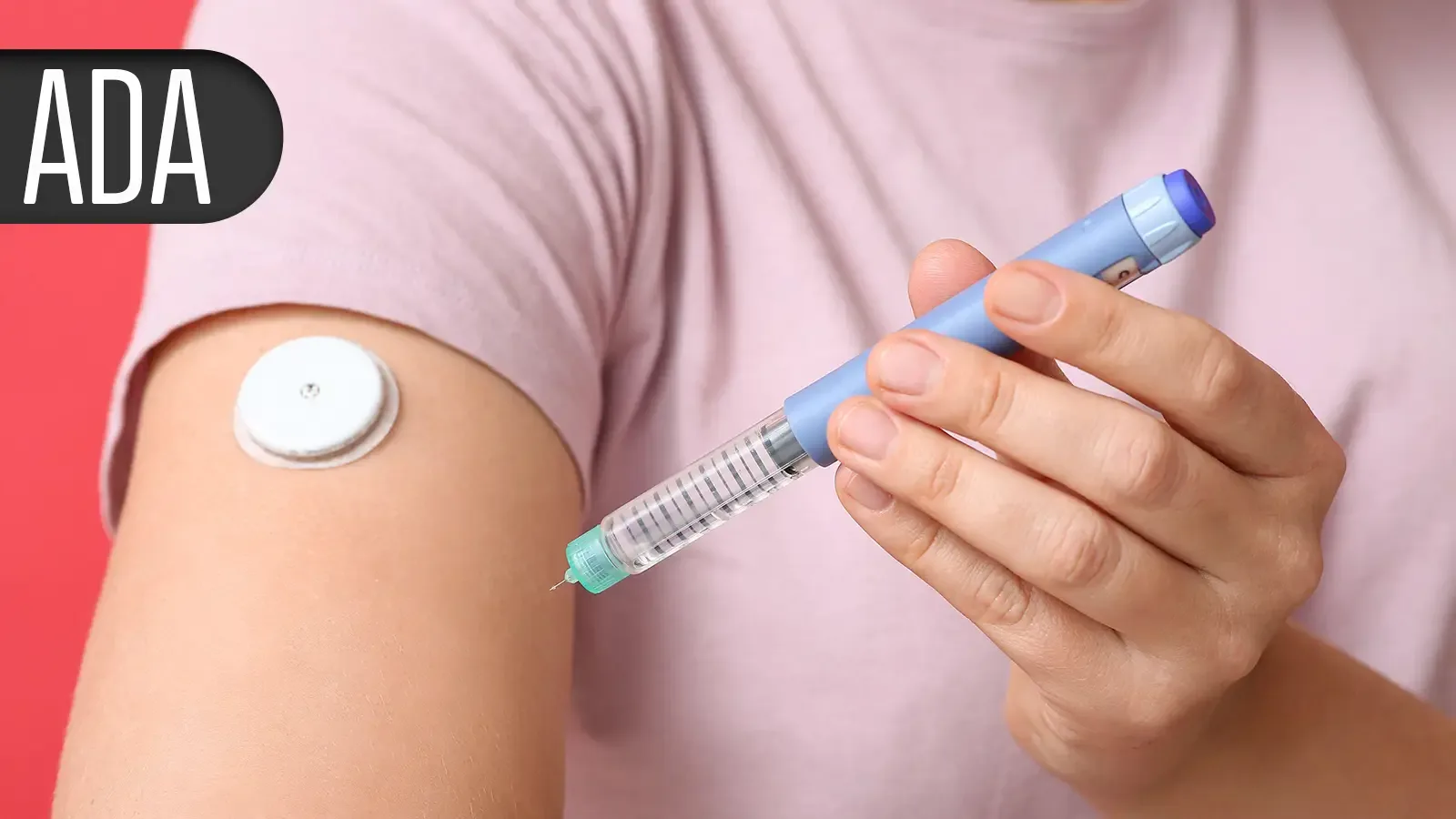
Retatrutide, developed by Eli Lilly, has captured attention on social media platforms like TikTok, particularly among bodybuilders and fitness enthusiasts seeking extreme fat loss. Dubbed a 'GLP-3' by some, this experimental injectable targets three key hormones: GLP-1 (glucagon-like peptide-1), GIP (glucose-dependent insulinotropic polypeptide), and glucagon. Unlike approved GLP-1 drugs like semaglutide (Ozempic, Wegovy) or dual GLP-1/GIP agonists like tirzepatide (Mounjaro, Zepbound), retatrutide's triple action promises unprecedented weight loss—potentially 24-30% of body weight in under a year.
Early phase 2 trial data from 2023 showed participants losing up to 24.2% of body weight at the highest dose (12 mg weekly) after 48 weeks, surpassing tirzepatide's 20-21% in similar trials. Gym 'bros' rave about it for allegedly sparing muscle while shredding fat, but is this hype grounded in science? As a board-certified obesity specialist, Dr. Spencer Nadolsky warns: it's powerful, unapproved, and risky via black market sources.
The Science: How Retatrutide's Triple Mechanism Works
GLP-1 and GIP: Appetite Suppression Masters
GLP-1 agonists like semaglutide mimic the gut hormone that signals fullness to the brain, slowing gastric emptying and reducing 'food noise'—that constant mental craving. Introduced in 2005 with short-acting versions like exenatide, they've evolved into weekly injections. Tirzepatide added GIP, which enhances insulin release and further curbs appetite, yielding better results.
Retatrutide builds on this foundation but introduces glucagon agonism, a game-changer for metabolism.
Glucagon: Boosting Fat Burn and Energy Expenditure
Glucagon, produced by the pancreas, traditionally raises blood sugar by breaking down liver glycogen. In retatrutide, it promotes energy expenditure and hepatic fat oxidation—burning fat directly in the liver. Phase 2 data indicated increased resting metabolic rate, potentially preserving lean mass better than GLP-1s alone. Patients switching from retatrutide trials to tirzepatide often report feeling less potent effects, highlighting its edge.
'The glucagon component seems to actually raise your metabolism and may help with specific fat oxidation in your liver.' — Dr. Spencer Nadolsky
Beyond weight loss, early signals suggest benefits for liver disease (e.g., NAFLD), kidney function, chronic pain, and cardiovascular risks—common in obesity—but phase 3 trials are needed to confirm.
Retatrutide vs. Semaglutide and Tirzepatide: Head-to-Head Comparison
- Weight Loss: Semaglutide: ~15% body weight (72 weeks, STEP trials). Tirzepatide: ~20-21% (SURMOUNT trials). Retatrutide: ~24% (phase 2, 48 weeks); projected 25-30% in phase 3.
- Mechanism: Single (GLP-1) → Dual (GLP-1/GIP) → Triple (GLP-1/GIP/Glucagon).
- Dosing: All weekly injections; retatrutide starts low (1-4 mg) to minimize GI side effects like nausea.
- Side Effects: Similar GI issues (nausea, vomiting, diarrhea), but retatrutide's potency may amplify them.
For patients on GLP-1s, retatrutide could be a next-step for non-responders, akin to bariatric surgery outcomes without the knife.
Myth vs. Reality: Does Retatrutide Spare Muscle Mass?
Fitness communities claim retatrutide avoids the sarcopenia (muscle loss) seen with GLP-1s—up to 40% of weight lost as lean mass without resistance training or protein optimization. Dr. Nadolsky cautions: 'It's not known yet. You'd need phase 3 and head-to-head studies.' The rapid calorie deficit from its potency could worsen muscle loss in lean individuals like gym-goers chasing abs.
Precision tracking for your journey
Join thousands using Shotlee to accurately track GLP-1 medications and side effects.
📱 Get the Shotlee App
Track your GLP-1 medications, peptides, and health metrics on the go with our mobile app!
Pro Tip: Pair any GLP-1 with high-protein diets (1.6-2.2g/kg body weight), resistance training 3x/week, and tools like Shotlee to track symptoms, side effects, nutrition, and body composition for optimal preservation.
The Big Risks: Black Market Retatrutide and Lack of Approval
Retatrutide (LY3437943) is in phase 3 trials (TRIUMPH program), with FDA approval unlikely before 2026-2027. Despite this, black market versions flood online vendors, often cheaper than compounded semaglutide.
Dangers include:
- Contamination: Unregulated compounding risks precipitation, impurities, or counterfeits. Batch testing is essential but impractical.
- Unknown Safety: Phase 2 reported more rapid weight loss and transient heart rate increases; long-term data pending.
- Adverse Events: Severe nausea, hospitalizations—similar to approved GLP-1s, but amplified potency raises concerns for non-obese users.
Dr. Nadolsky: 'I'd never recommend it... You're running the risk of unregulated companies with no FDA oversight.' Even compounded approved drugs carry risks; unapproved ones are exponentially worse.
Expert Insights from Dr. Spencer Nadolsky
A obesity medicine specialist and founder of Vineyard telehealth, Dr. Nadolsky (a self-proclaimed gym bro) has managed trial patients:
'Retatrutide adds glucagon agonism... We're talking bariatric surgery-like results.'
He emphasizes waiting for data, reserving it for those with significant weight to lose, and avoiding gray-market experiments.
Future Outlook: When Will Retatrutide Be Available?
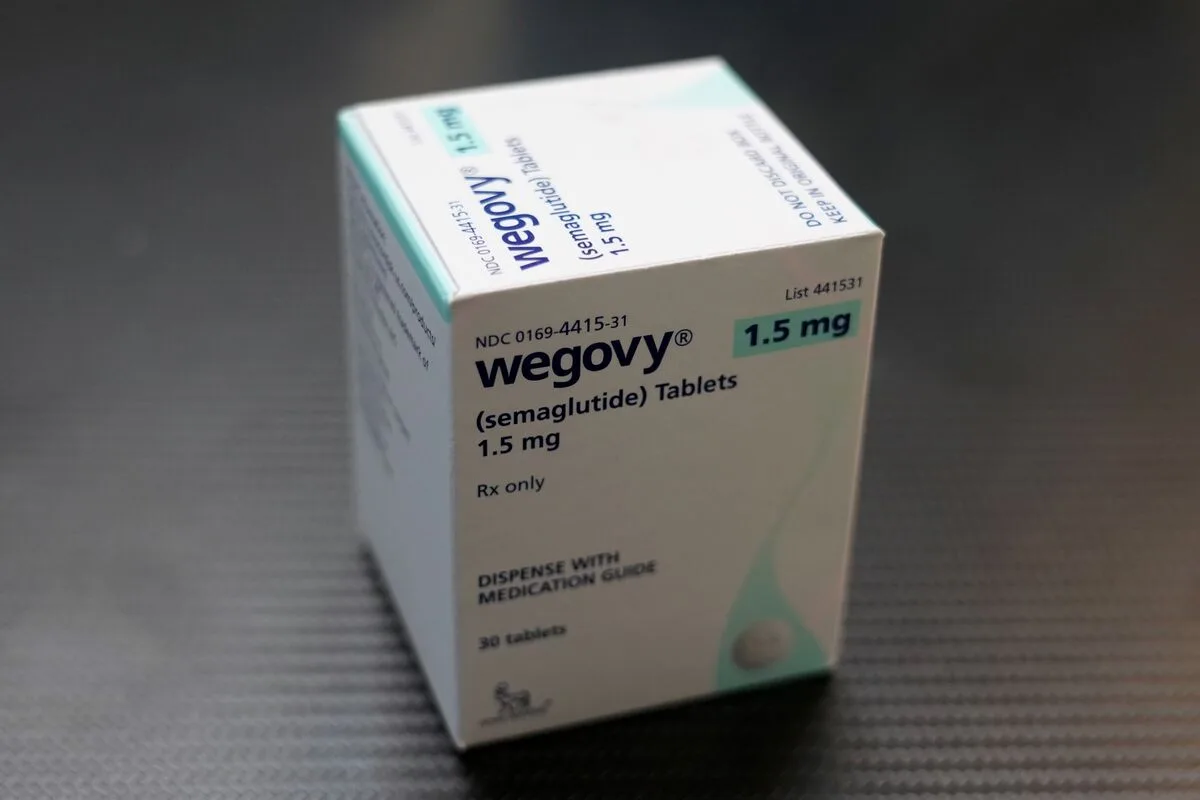
Phase 3 trials focus on obesity, liver disease, and diabetes. If successful, it could transform metabolic health. Until then, stick to FDA-approved options like Wegovy or Zepbound, monitored by providers. Track progress with apps like Shotlee for side effects and nutrition to maximize safety and efficacy.
Conclusion: Proceed with Caution on Retatrutide
Retatrutide's triple-agonist power positions it as a potential leap in weight management, outperforming semaglutide and tirzepatide in early data. However, its unapproved status, black market perils, and muscle loss uncertainties demand patience. Consult obesity specialists for personalized plans—evidence-based tools today outperform risky tomorrow's promises.