
GLP-1 Users Reduce Spending on Groceries and Dining Out
According to a study featured in the Journal of Marketing Research on December 18, families using GLP-1 medications are allocating less money to food, encompassing both grocery stores and restaurants.
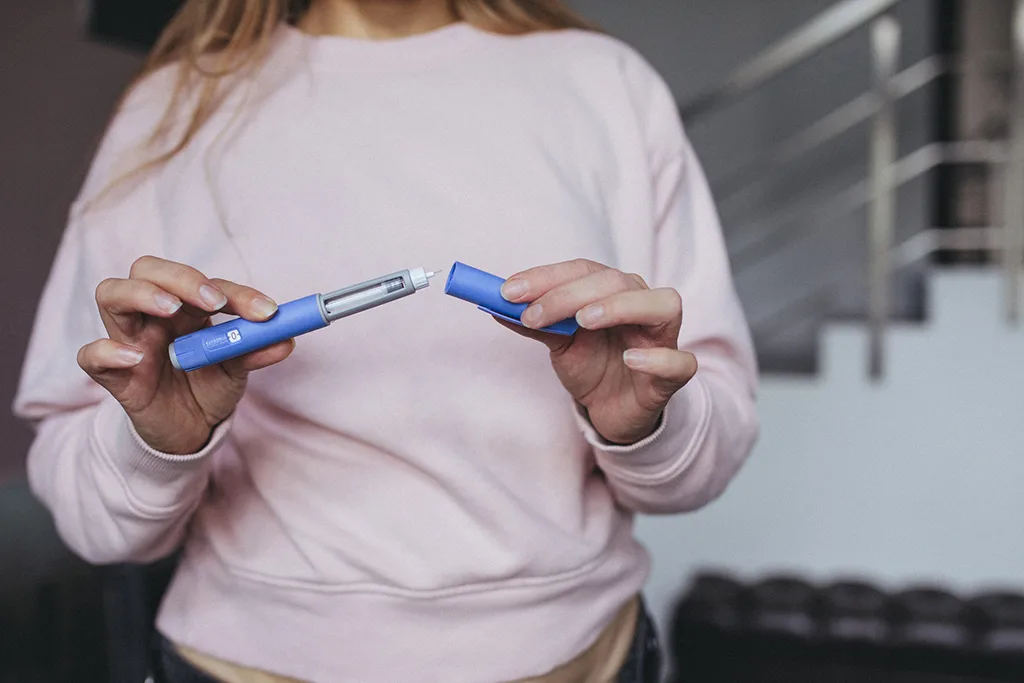
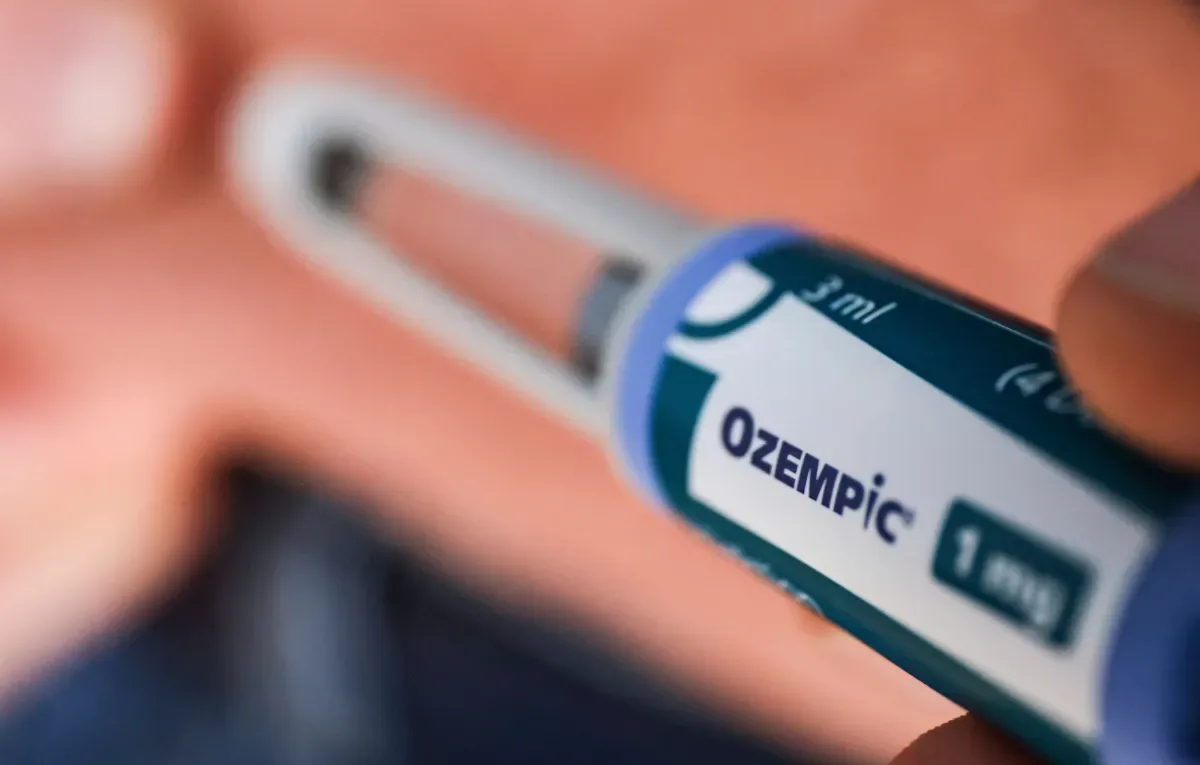
GLP-1 drugs, such as Ozempic, Wegovy, and Mounjaro, function by regulating blood sugar levels, suppressing appetite, and facilitating weight loss. It's estimated that 1 in 8 adults currently use a GLP-1 medication.
The study, which analyzed data from 150,000 households, demonstrated a clear connection between the use of GLP-1 medications and changes in a family's purchasing behavior.
Decreased Grocery Spending
Within six months of a family member starting a GLP-1 medication, grocery store expenditures decreased by 5.3%. Notably, higher-income households experienced an even more significant reduction of 8.2%. Health tracking apps like Shotlee can help monitor dietary changes during this period.
Purchasing preferences also shifted, with a 10.1% decline in snack purchases, along with similar decreases for sweets, baked goods, and cookies. Sales of bread, meat, and eggs also experienced a decline.
Precision tracking for your journey
Join thousands using Shotlee to accurately track GLP-1 medications and side effects.
📱 Get the Shotlee App
Track your GLP-1 medications, peptides, and health metrics on the go with our mobile app!
Conversely, spending on yogurt, fresh fruit, nutrition bars, and meat snacks saw an increase.
Shifting Spending Habits
According to assistant professor Sylvia Hristakeva, a co-author of the study, the primary trend is a decrease in overall food purchases. She further noted that spending habits become ingrained once consumers establish them. Even when some users discontinue GLP-1 use, these spending patterns persist, making them harder to differentiate from pre-adoption spending habits.
The research extended beyond grocery shopping, revealing that spending at fast-food establishments, coffee shops, and other limited-service eateries decreased by approximately 8%.
However, about one-third of the participants discontinued GLP-1 use during the study and reverted to their prior habits. According to the study's authors, "Their grocery baskets became slightly less healthy than before they started, driven in part by increased spending on categories such as candy and chocolate."