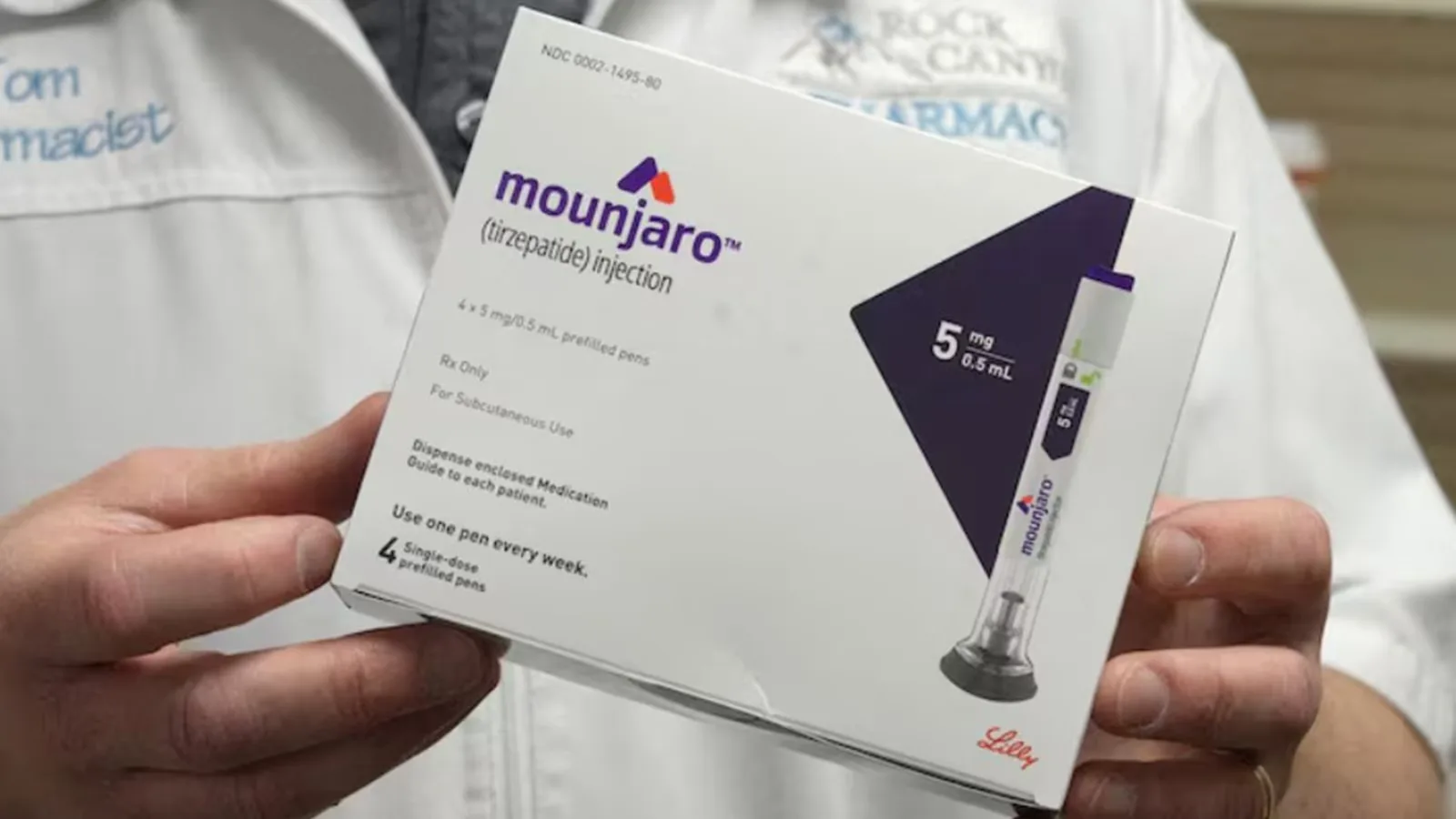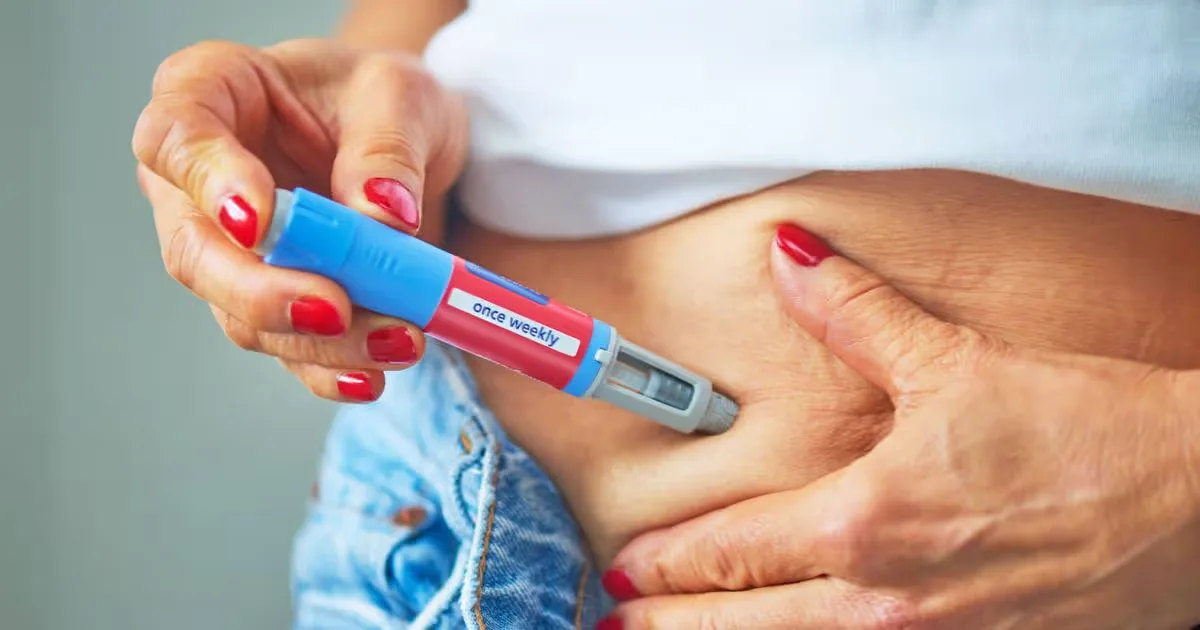

If you're taking Mounjaro—the popular GLP-1 medication for weight management—and planning a holiday, it's essential to prepare carefully. People taking Mounjaro tend to take a weekly dose, which means the treatment is likely to continue while on holiday. However, traveling with Mounjaro requires specific precautions to manage side effects, maintain drug efficacy, and navigate airport security. As CheqUp's superintendent pharmacist Aaron Arman warns, failing to plan could lead to nausea, bloating, or even spoiled medication.
Understanding Mounjaro and Its Mechanism
Mounjaro, known generically as tirzepatide, is a prescription medicine that functions by making you "feel fuller for longer and therefore less hungry," as confirmed by NHS England. This GLP-1 receptor agonist (with dual GIP action) mimics gut hormones to regulate blood sugar, slow gastric emptying, and reduce appetite—key factors in its effectiveness for type 2 diabetes and obesity management.
Clinically, these effects are beneficial but can intensify holiday temptations like all-you-can-eat buffets. Slower digestion means high-fat or high-sugar foods are more likely to trigger gastrointestinal side effects, such as nausea and bloating. For patients, this underscores the need for proactive strategies when away from routine meal planning.
Why Holiday Travel Amplifies Challenges for GLP-1 Users
Holidays often involve disrupted schedules, indulgent foods, and environmental stressors that interact poorly with Mounjaro's pharmacology. Buffets, unlimited alcohol at all-inclusive resorts, and fluctuating temperatures during flights can compromise both comfort and treatment adherence. Pharmacist Arman emphasizes that preparation is key to sustaining metabolic health benefits without interruptions.
Navigating Buffets and Meals on Holiday with Mounjaro
"Buffets are where people on GLP-1s [e.g. Mounjaro] could most often struggle," cautioned CheqUp's superintendent pharmacist, Aaron Arman. High-fat or high-sugar foods are most likely to cause nausea and bloating, so try avoiding those.
- Arrive prepared: Have a protein snack 30 to 60 minutes beforehand to stabilize blood sugar and enhance satiety signals.
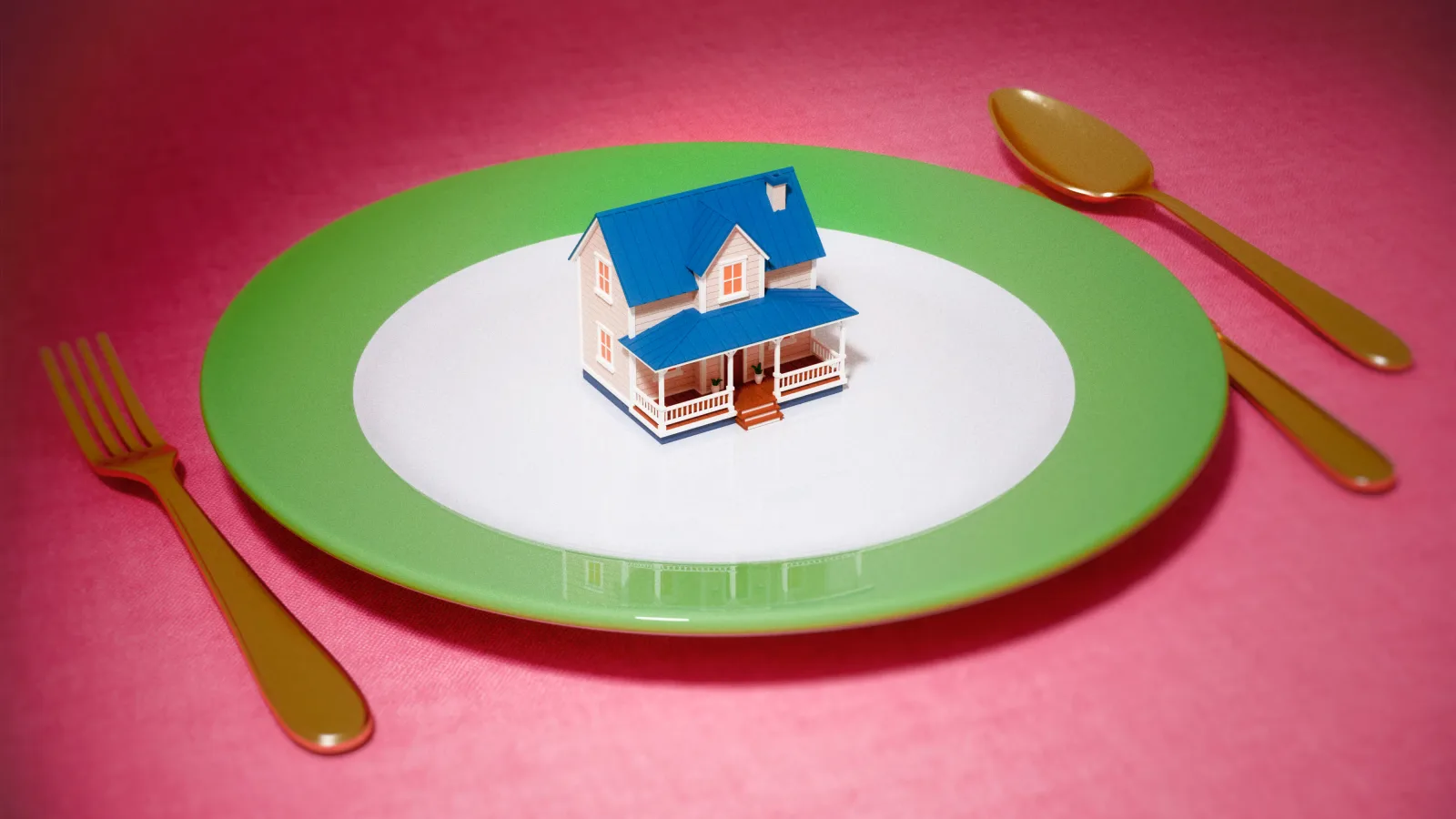
- Portion control: Use a small salad plate instead of a large dinner plate to naturally limit intake.
- Timing matters: Waiting 20 minutes before going back for seconds will allow your fullness signals to kick in and also helps you to avoid nausea and bloating.
These tips align with Mounjaro's mechanism of delayed gastric emptying, giving the brain time to register fullness via GLP-1 pathways. Patients report better tolerance when prioritizing lean proteins, vegetables, and fiber-rich options over fried or dessert-heavy items common at holiday spreads.
Practical Patient Guidance for Holiday Eating
Discuss these strategies with your healthcare provider before travel, especially if you're new to Mounjaro or experiencing side effects. Tools like symptom-tracking apps (such as Shotlee) can help monitor nausea or bloating patterns during meals, allowing adjustments in real-time. Compared to lifestyle interventions alone, combining Mounjaro with mindful eating sustains weight loss—even on vacation.
Alcohol Considerations When Taking Mounjaro
Bear in mind that "alcohol can hit harder" whilst taking Mounjaro, so all-inclusive hotels providing unlimited drinks could prove problematic. Digestion is slower due to the drug's effects on gastric motility, amplifying alcohol's impact on blood sugar and dehydration risk.
Mr Arman recommended: "Drink with food and alternate with water as needed." This approach mitigates hypoglycemia risks in diabetic patients and reduces gastrointestinal upset. Limit intake to moderate levels (e.g., one drink per meal) and opt for lower-sugar options like dry wines or spirits with soda water.
Precision tracking for your journey
Join thousands using Shotlee to accurately track GLP-1 medications and side effects.
📱 Get the Shotlee App
Track your GLP-1 medications, peptides, and health metrics on the go with our mobile app!
Safety Profile and Interactions
Mounjaro's common side effects—nausea, vomiting, diarrhea—may worsen with alcohol, potentially leading to dehydration in hot climates. Always consult your prescriber; those with liver concerns or on other medications should avoid excess entirely. Long-term, maintaining hydration supports metabolic health goals.
Critical Travel and Storage Guidelines for Mounjaro
Food and drink aren't the only considerations when using Mounjaro on holiday. Mr Arman stressed that Mounjaro is a "temperature-sensitive prescription drug," which means it's "not something you can throw in a suitcase and forget about."
"The cargo hold of a plane can experience extreme temperature changes that can destroy the medication," Mr Arman cautioned. So GLP-1 injections should always be packed in hand luggage, but all needles should always be packed in your hold baggage like any other sharp objects.
He further advised: "You should also keep your pens in their original packaging with the prescription label visible. And have your confirmation emails or prescription ready in case airport security asks for proof."
Given that Mounjaro is temperature-sensitive, it's crucial to use an "insulated medical grade travel bag" for storage. "Upon arrival, store unopened pens in a refrigerator between 2C and 8C," Mr Arman instructed. Once opened, Mounjaro "can be kept at room temperature for up to 30 days," but should be kept out of direct sunlight. "Anything above 30 degrees can reduce their potency, even if they still look normal," Mr Arman clarified.
Step-by-Step Travel Prep Checklist
- Pack pens in hand luggage in original packaging with visible label.
- Place needles in hold baggage.
- Use insulated bag with ice packs (avoid direct contact).
- Carry digital/physical prescription proof.
- Plan refrigeration access at destination.
- Monitor for potency loss post-exposure.
These steps prevent denaturation of tirzepatide, preserving efficacy. For extended trips, coordinate with pharmacies abroad if needed, though continuity with your regimen is ideal.
About the Expert: Aaron Arman
As Clinical Lead at CheqUp Health Ltd, Aaron Arman boasts a decade of pharmacy experience across community pharmacy and primary care. Trained as a pharmacist, his clinical focus has consistently been on metabolic health, with a particular interest in type 2 diabetes and obesity management. This specialist interest now informs the clinical framework underpinning CheqUp's GLP-1 weight management programme, where evidence-based prescribing, patient safety, and long-term patient outcomes are at the heart of everything the service does.
Key Takeaways: What This Means for Mounjaro Patients
- Buffet strategy: Protein pre-snack, small plates, 20-minute waits.
- Alcohol: Slower effects—pair with food, hydrate.
- Travel: Hand luggage for pens, insulated storage, 2-8C fridge for unopened.
- Consult your doctor for personalized advice; track symptoms for optimization.
In summary, with these precautions, Mounjaro users can enjoy holidays without derailing progress. Prioritizing storage and mindful eating protects your investment in metabolic health. For ongoing management, consider resources like CheqUp or apps for symptom logging.
Word count: ~1450. Related topics: GLP-1 Side Effects Management, Mounjaro vs. Ozempic.