
Payments to Indiana Physicians for GLP-1 Discussions
In Indianapolis, drug manufacturers are compensating numerous Indiana physicians to discuss GLP-1 medications, as revealed by a thorough examination of records.
This investigation explores the advantages and expenses linked to these treatments over several days.
The focus was on determining the extent of spending by drug producers on Indiana healthcare providers to endorse GLP-1s, an authorized activity.
Collaboration occurred with academics from the Missouri School of Journalism—Professor David Herzog, Saurav Rahman, and Anna Sago—to scrutinize the Open Payments database, which monitors transfers from pharmaceutical entities to medical professionals.
These transfers are permitted and publicly accessible under the 2010 Physician Payments Sunshine Act.
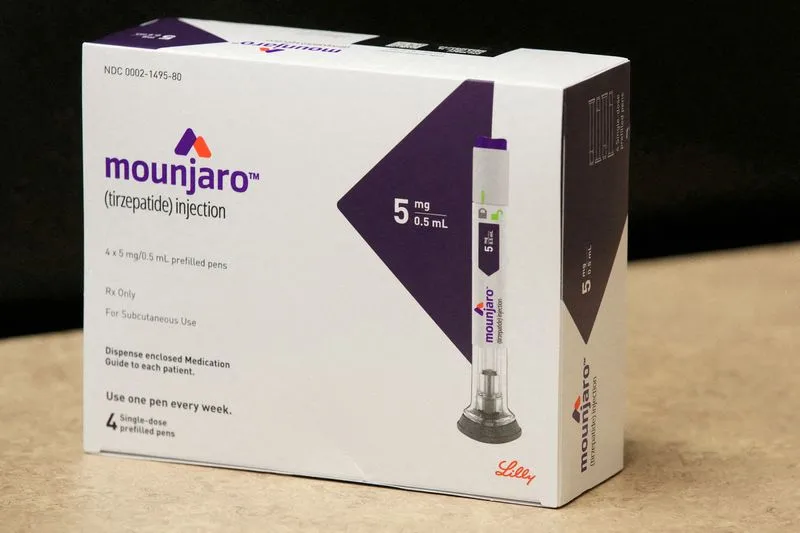
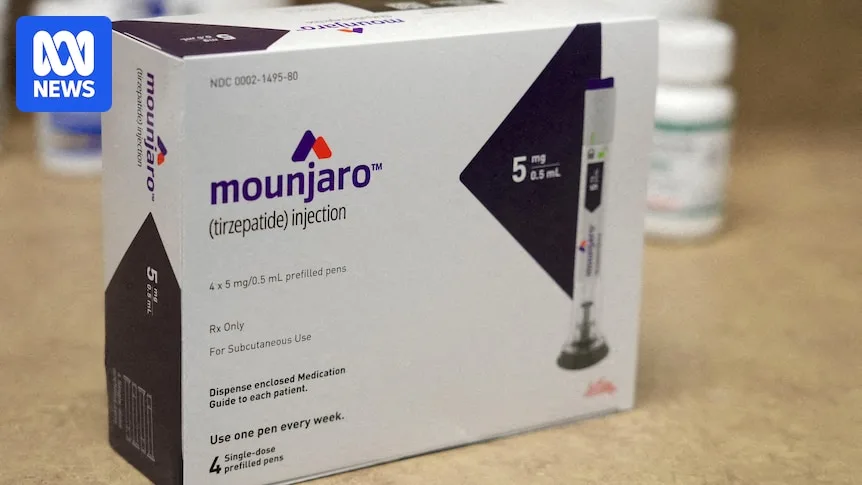
The analysis identified 4,119 Indiana physicians who received reimbursements in 2024 from either Eli Lilly or Novo Nordisk for presentations on Ozempic, Wegovy, Zepbound, and Mounjaro.
Eli Lilly, headquartered in Indianapolis, produces Zepbound and Mounjaro, whereas the Danish firm Novo Nordisk creates Ozempic and Wegovy.
For these specific GLP-1 treatments alone, companies disbursed $533,492 to Indiana physicians in 2024, funding airfare for conference speeches, along with meals, beverages, and lodging.
Notable Physicians and Compensation Figures
Certain Indiana physicians received substantial payments, such as Dr. Ernest Asamoah, an endocrinologist at Community Health Network in Indianapolis.
In 2024, Dr. Asamoah obtained a sum of $43,052 for GLP-1s, comprising $36,532 from Eli Lilly and $6,520 from Novo Nordisk.
Dr. James Andry, head of Andry Medical Services in Bloomington, received $52,531, with $44,902 from Eli Lilly and $7,629 from Novo Nordisk.
Dr. Whitney Blakely, a bariatric medicine specialist previously associated with Community Health Network, got $53,559 in 2024, including $24,029 from Eli Lilly and $29,640 from Novo Nordisk. (She departed Community Health Network in November 2024 to dedicate more time to family, per a representative.)
All three declined interviews or failed to reply to requests.
Community Health Network issued a response.
"This arrangement enables physicians to foster advancement by engaging in studies and advising firms, aiding in the creation of novel therapies and tools tailored to patient requirements," stated Community Health Network. "It also offers avenues for career growth as professionals impart knowledge and insights, enlightening peers via presentations."
Dr. Isaiah Pittman earned $41,592 for GLP-1-related activities, with $38,854 from Eli Lilly and $2,738 from Novo Nordisk.
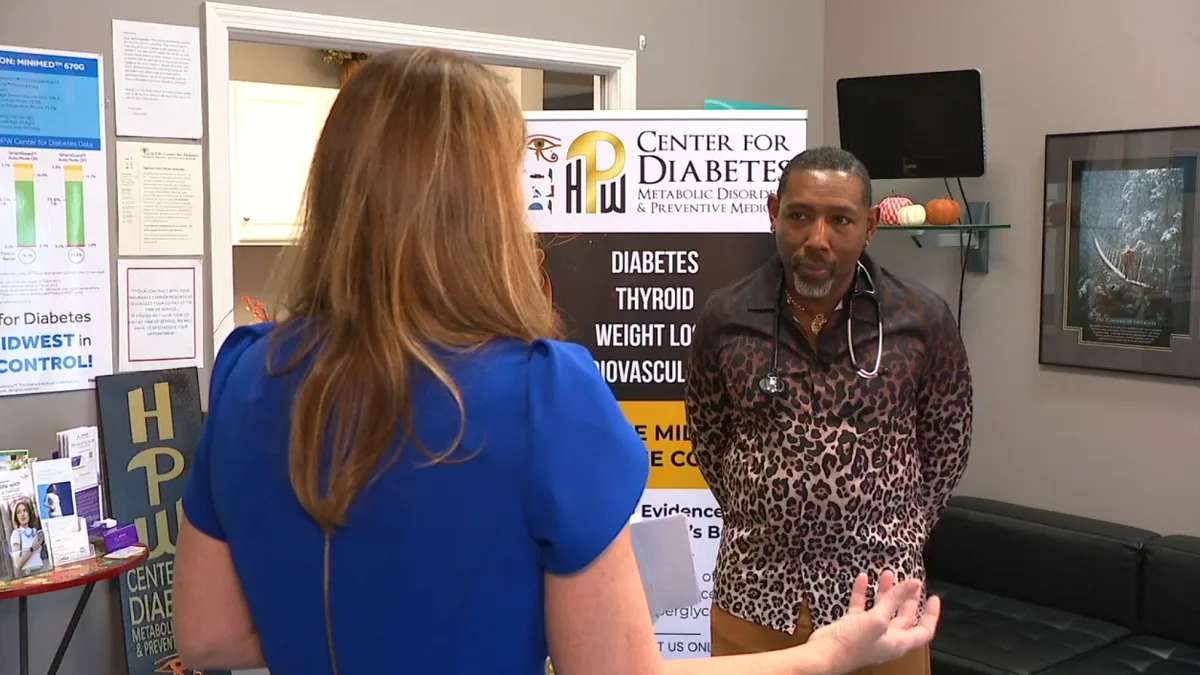
Dr. Pittman, who specializes in endocrinology and biochemistry, consented to an on-camera discussion with Kara Kenney.
The exchange covered his compensation details.
Asked about ranking second in the state with $38,000 from Lilly, Dr. Pittman remarked, "I figured I'd top the list, but alright."
He leads HPW Center for Diabetes, operating in several states, including Terre Haute and Bloomington.
"I deliver talks nationwide and even internationally," Dr. Pittman explained. "My expertise isn't free to borrow."
He emphasizes educating colleagues on diabetes and GLP-1s.
"We're launching our own seminar series, given the scarcity of diabetes knowledge in medical circles," Dr. Pittman noted. "Indeed, I get paid for presentations sponsored by Lilly and Novo."
Queried on whether he'd witnessed such effective drugs for diabetes and weight management, he responded, "Nothing like this has been available."
Pittman highlights advantages beyond shedding pounds to other doctors.
Precision tracking for your journey
Join thousands using Shotlee to accurately track GLP-1 medications and side effects.
📱 Get the Shotlee App
Track your GLP-1 medications, peptides, and health metrics on the go with our mobile app!
"This treatment has shown a 26 percent drop in cardiovascular problems and proven to cut stroke risks," he stated.
Novo Nordisk refused live interviews but provided a written reply: "Constructive interactions between pharma and medical professionals benefit patients and propel progress in treatment and science."
The federal government mandates no disclosure of prescription volumes per drug by physicians.
Research on Gift Influence
A study from Georgetown University in 2017 demonstrated that even minor perks, such as meals, significantly swayed healthcare providers toward prescribing pricier branded medications.
Perks of any magnitude affected decisions, with bigger ones amplifying the impact, per the research outcomes.
Dr. Adriane Fugh-Berman, a pharmacology professor at Georgetown University, co-authored the 2017 report.
"It creates a cascading influence," Dr. Fugh-Berman observed. "Physicians accepting any perks, including a simple dinner from drug firms, tend to prescribe more medications per patient, which is highly alarming."
She also oversees Pharmed Out, which investigates the pharma sector.
She advises patients to check their doctors on Open Payments.
"Medical experts receiving funds from pharmaceutical corporations are swayed by them," Dr. Fugh-Berman asserted. "This shapes the data they share, lacking full neutrality."
Dr. Isaiah Pittman denies experiencing pressure to prescribe more GLP-1s.
"Honestly, I end up losing income," he said. "Lecturing costs me money. My earnings from clinic work surpass those from talks. I participate solely for educational purposes."
He couldn't disclose his GLP-1 prescription numbers but mentioned only about 5 percent are strictly for weight reduction.
"A genuine assessment of a typical overweight individual often reveals mild or pronounced diabetes," he elaborated.
Pittman participated in a government program covering his education expenses.
"As an MD PhD, our duties include teaching, conducting studies, and treating patients," Pittman explained. "We're known as a triple threat."
He acknowledges patient worries about corporate funds biasing prescription choices.
"It certainly could, if they're not deeply knowledgeable about the underlying biology and science, which I fully concur," he agreed. "That's what transpired with painkillers and opioids."
Sue Seyfert, a patient of Dr. Pittman, has no objections to his pharma earnings.
"He's incredibly committed to his patients and colleagues, constantly engaged in studies," Sue remarked. "I admire him for it."
Checking Physician Payments
To verify your doctor's compensation, visit https://openpaymentsdata.cms.gov/. Enter your physician's name in the Individual Provider search. Select from the results. Narrow by year and type, such as travel, meals, or advisory fees.
Statements from Companies
Novo Nordisk's full reply: "Semaglutide has undergone extensive testing in comprehensive clinical programs, large-scale real-world studies, and totals over 33 million patient-years of use. Its effectiveness and safety are well-established for individuals with obesity or overweight, backed by strong proof of enhanced health results. It has shown reductions in cardiovascular mortality, strokes, and heart attacks. Novo Nordisk maintains that the claims in legal actions lack foundation, and we will defend them robustly. Patient well-being is paramount, and we collaborate with the FDA to oversee our products' safety. We stand by the risk-benefit balance of our GLP-1 therapies when applied as directed."
Eli Lilly's response: "Lilly is dedicated to enhancing lives for those with diabetes by innovating treatments like Mounjaro and Trulicity that transform care approaches. Patient security ranks highest, with ongoing efforts to track, assess, and communicate safety data. Our product labels feature detailed, FDA-endorsed cautions."
Community Health Network's complete statement: "Physicians may lawfully accept funds from drug or device makers under defined rules. This encompasses advisory payments for product creation, study funding, speaking at training sessions, and equity stakes. The Physician Payments Sunshine Act requires public disclosure via Open Payments for visibility. Such engagements enable physicians to drive progress through studies and consultations, crafting therapies aligned with patient demands. They also foster career advancement by sharing insights and experiences, informing others at events. Transparency aids in upholding physician trustworthiness by disclosing affiliations."
Health tracking apps like Shotlee can help monitor the effects of such medications on patients.