
Staying active is essential to living a long, healthy life, but nothing foils fitness progress and motivation like an injury. Depending on the extent of the damage, a full recovery might take days or even months. For some dedicated gym bros and bodybuilders out there, taking that long of a break is just not good enough. So many are turning to peptides to bridge the gap between injury and return to peak performance. While the concept of accelerated healing sounds appealing, the reality involves complex biological mechanisms and significant regulatory hurdles that require careful consideration.
This article explores the specific peptides driving this trend, focusing on the synthetic compound TB-500 and its partner BPC-157. We will examine the science behind their proposed mechanisms, the lack of human clinical evidence, and the serious safety concerns regarding tumor growth. Understanding these factors is crucial for anyone considering using these compounds outside of strictly controlled medical environments.
What Is TB-500 and How Does It Work?
TB-500 is a synthetic peptide designed to mimic the natural protein thymosin beta-4, which plays a critical role in tissue repair and cell migration within the human body. When an injury occurs, thymosin beta-4 naturally floods the damaged area to send repair signals, but TB-500 amplifies this process significantly by binding to actin, a structural protein found in all cells. This binding action speeds up cell movement and allows for faster tissue regeneration, which is why athletes seek it out for injury recovery. While the mechanism sounds promising on paper, the actual application relies heavily on understanding how actin up-regulation translates to real-world muscle fiber healing without unintended side effects. It is crucial for users to recognize that this molecular mimicry is intended to accelerate the body's innate healing processes, yet the long-term biological implications of artificially boosting such fundamental cellular pathways remain largely unexplored in controlled human clinical settings.
Normally, when there is tissue damage, there is an influx of thymosin beta-4 around the site to send out repair signals to the body. If you want a microscopic lens of what is going on, thymosin beta-4 works by binding to actin. By binding and up-regulating actin, TB-500 speeds up cell movement for tissue repair. The TB-500 peptide is thought to do the job of thymosin beta-4, but in a more amplified manner. This theoretical amplification is what drives the interest in the gray market, even though the dosage and purity of these substances are often unverified.
Why Do Some Athletes Stack BPC-157 With TB-500?
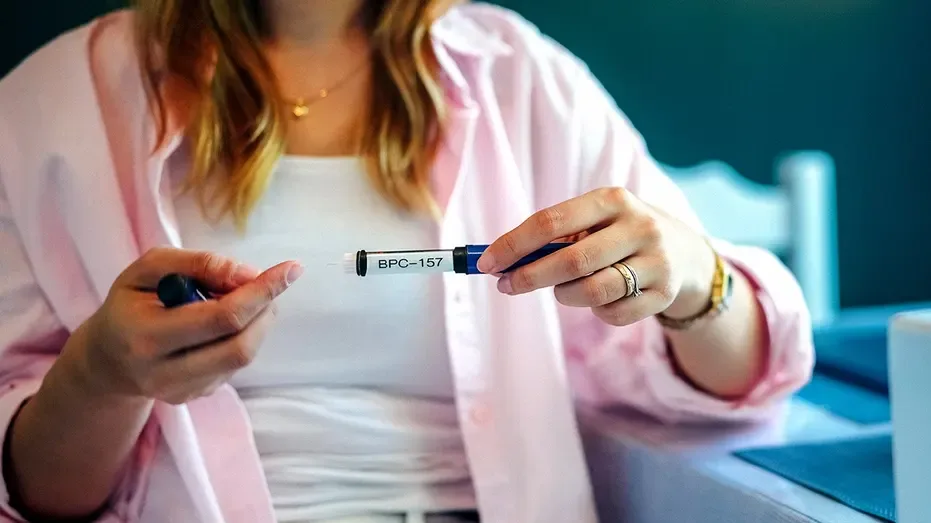
While the Wolverine peptide BPC-157 gets a lot of attention for its nearly superhuman ability to aid in muscle regeneration, it is only one half of most muscle recovery stacks. The second half is a synthetic peptide called TB-500, and together they are believed to cover different aspects of the healing timeline. BPC-157 is often cited for its ability to promote angiogenesis and gut health, while TB-500 is focused on cell migration and inflammation reduction. Athletes combine these to create a synergistic effect that theoretically maximizes recovery time, although this combination is largely based on anecdotal reports rather than rigorous comparative studies.
There is a good amount of animal research on thymosin beta-4 and its accelerated healing effects on skin and muscle fibers. There is also some preclinical research to suggest TB-500 speeds up healing by stimulating angiogenesis, the creation of new blood vessels, which can further aid tissue repair. However, the combination of these two peptides represents a specific protocol that has not been standardized in medical practice. Users often rely on online forums to determine dosages, which introduces a significant variable that can impact safety and efficacy outcomes.
What Are The Safety Risks And Cancer Concerns?
There is one concerning drawback associated with the use of TB-500 that potential users must consider before making a decision. Through the same mechanisms that promote wound healing, thymosin beta-4 could enhance tumor angiogenesis, the process by which cancer cells stimulate new blood vessels, giving them oxygen and nutrients to grow and spread. This creates a theoretical risk that accelerating blood vessel growth in healthy tissue could inadvertently support the growth of existing or undetected malignancies. Because the peptide works by stimulating the creation of new blood vessels, which is essential for healing, it also mirrors the biological process that tumors exploit to sustain themselves.
Precision tracking for your journey
Join thousands using Shotlee to accurately track GLP-1 medications and side effects.
📱 Get the Shotlee App
Track your GLP-1 medications, peptides, and health metrics on the go with our mobile app!
Although there has been a lot of research on the natural protein, not much testing has been done on its synthetic counterpart. The lack of long-term safety data means that the risk profile for healthy individuals is not fully understood. Athletes who may have underlying genetic predispositions to cancer could be unknowingly increasing their risk by using substances that stimulate vascular growth. This risk is particularly relevant for older athletes or those with a family history of malignancies, making medical consultation a prerequisite that is often skipped in the gym community.
Is There Clinical Evidence Supporting Human Use?
Currently, there is no clinical evidence in humans that TB-500 repairs muscles or increases athletic performance. The benefits of TB-500 have mainly been hearsay and online anecdotes, which are not a substitute for peer-reviewed medical data. The lack of research on humans may be due in part to the stringent restrictions placed on studying TB-500, as it is classified as a research chemical rather than an approved drug. Consequently, the dosing protocols found online are extrapolated from animal studies, which do not always translate accurately to human physiology or metabolic rates.
| Peptide | Primary Mechanism | Evidence Status |
|---|---|---|
| TB-500 | Mimics Thymosin Beta-4 | Animal Data Only |
| BPC-157 | Gut & Tissue Healing | Preclinical Studies |
| Human Trials | Not Conducted | None Available |
Without human trials, the efficacy claims remain in the realm of speculation. This uncertainty is compounded by the fact that the quality of peptides sold online varies wildly. Users may be injecting substances that are not even the correct peptide, or they may be contaminated with other compounds. For those tracking their health data, inconsistent results in recovery times or unexpected side effects can often be traced back to the purity of the source material rather than the biological mechanism itself.
How Does The FDA Regulate These Recovery Peptides?
The peptide is temporarily on the FDA's category 2 drug list with the government entity citing a lack of important information regarding any safety issues raised by this drug, including whether it would cause harm if administered to humans. That may all change in the coming days. Given the growing peptide popularity and unregulated sales through the gray market, the FDA is convening an advisory panel on July 23 and July 24, 2026. There, they will review evidence and hear testimonies to create a recommendation for or against moving seven peptides out of the category 2 list. TB-500 will be one of the peptides under discussion for its potential use in wound healing.
This regulatory process highlights the gap between scientific interest and public safety. The FDA's involvement signals that these substances are being scrutinized for their potential to cause harm when used without medical supervision. Until a definitive ruling is made, the legal and safety status of these peptides remains in a state of flux. Athletes should be aware that purchasing these substances may involve legal risks and the potential for severe health complications if the product is not manufactured to pharmaceutical standards.
Practical Takeaways for Athletes
- Verify the Science: Recognize that human clinical trials are currently missing for TB-500.
- Monitor Health Data: Use tools like Shotlee to track symptoms and recovery metrics objectively.
- Understand Risks: Be aware of the potential link between angiogenesis and tumor growth.
- Check Regulatory Status: Stay informed about FDA advisory panels and category 2 drug listings.
- Prioritize Safety: Avoid unregulated gray market sources where purity is not guaranteed.
While the allure of faster recovery is strong, the path to using these substances safely is not clear. For now, the consensus among medical professionals leans heavily toward caution. The potential for harm, combined with the lack of proven benefit in humans, suggests that traditional recovery methods remain the most reliable option.
Ultimately, the decision to use TB-500 or BPC-157 should be made with a full understanding of the risks involved. If you choose to proceed, it is essential to prioritize health monitoring and seek professional medical advice whenever possible. The fitness industry moves fast, but your body's biological systems require time and care to heal naturally.