
The Evolution of Understanding: From PCOS to PMOS
For decades, a common yet often misunderstood condition has affected millions of women of reproductive age. Polycystic Ovary Syndrome, or PCOS, has been a familiar term, but its name has long been a source of confusion. The 'polycystic' descriptor, while historically used, doesn't accurately capture the full spectrum of the condition, which is rooted far more deeply in endocrine and metabolic dysregulation than in the presence of ovarian cysts alone. In fact, ovarian cysts are not a universal or defining feature of PCOS. This imprecision has contributed to delayed diagnoses, misinterpretations of symptoms, and a lack of comprehensive understanding among both patients and healthcare providers.
Now, a significant shift is underway. A global consensus of leading clinicians, researchers, and patient advocates has proposed a new name: Polyendocrine Metabolic Ovarian Syndrome, or PMOS. This proposed renaming, published in the prestigious journal The Lancet, signifies a crucial step forward in aligning the medical community's understanding and terminology with the actual pathophysiology of the condition. The move aims to foster earlier recognition, more accurate diagnosis, and ultimately, more effective and holistic treatment strategies for the millions affected worldwide.
Why the Renaming Matters: Unpacking the Complexity of PMOS
The decision to rename PCOS to PMOS is not merely semantic; it reflects a profound evolution in our understanding of the condition. The original name, PCOS, primarily focused on the ovaries and the presence of cysts, which can be misleading. While ovarian dysfunction is a key component, it is often a consequence of broader hormonal and metabolic imbalances.
The new name, PMOS, offers a more accurate and comprehensive description:
- Polyendocrine: This highlights that the condition involves multiple endocrine glands and hormones, not just those directly related to the ovaries. It acknowledges the intricate interplay of the hypothalamic-pituitary-ovarian axis, the adrenal glands, and insulin signaling.
- Metabolic: This emphasizes the critical role of metabolic disturbances, particularly insulin resistance, which is a hallmark of PMOS and drives many of its symptoms and long-term health risks, including weight gain and an increased risk of type 2 diabetes.
- Ovarian: This retains the connection to the ovaries, acknowledging their central role in the hormonal imbalances and reproductive challenges associated with the condition.
This new nomenclature aims to shift the focus from a singular symptom (ovarian cysts) to the systemic nature of the disorder. By emphasizing the endocrine and metabolic roots, the renaming is expected to encourage a more integrated approach to diagnosis and management, moving beyond solely gynecological concerns to address the full spectrum of health impacts.
The Diagnostic Challenge and the Promise of PMOS
A significant hurdle in managing PMOS has been its elusive nature and the diagnostic challenges it presents. The World Health Organization (WHO) estimates that a staggering 70 percent of individuals with the condition go undiagnosed. This high rate of underdiagnosis is often attributed to the variability of symptoms, the lack of a single definitive diagnostic test, and the historical focus on a narrow set of criteria.
The diagnostic criteria for PCOS have evolved over time, with the Rotterdam criteria being the most widely used. These criteria typically require at least two out of the following three features:
- Irregular or absent ovulation (oligo- or anovulation)
- Clinical or biochemical signs of hyperandrogenism (e.g., acne, hirsutism, elevated male hormones)
- Polycystic ovaries on ultrasound
However, even with these criteria, diagnosis can be complex. Some individuals may present with symptoms that don't neatly fit, leading to delayed or missed diagnoses. The renaming to PMOS is anticipated to bring several benefits:
Improved Awareness and Education
A more accurate name can significantly enhance awareness among healthcare professionals and the public. When the condition is understood as a complex endocrine and metabolic disorder, it prompts a broader differential diagnosis and a more thorough investigation of symptoms.
Earlier and More Accurate Diagnosis
With a name that better reflects its underlying mechanisms, clinicians may be more inclined to suspect and investigate PMOS earlier, even in the absence of classic ovarian cysts. This can lead to timely interventions, preventing the progression of complications.
Holistic Treatment Approaches
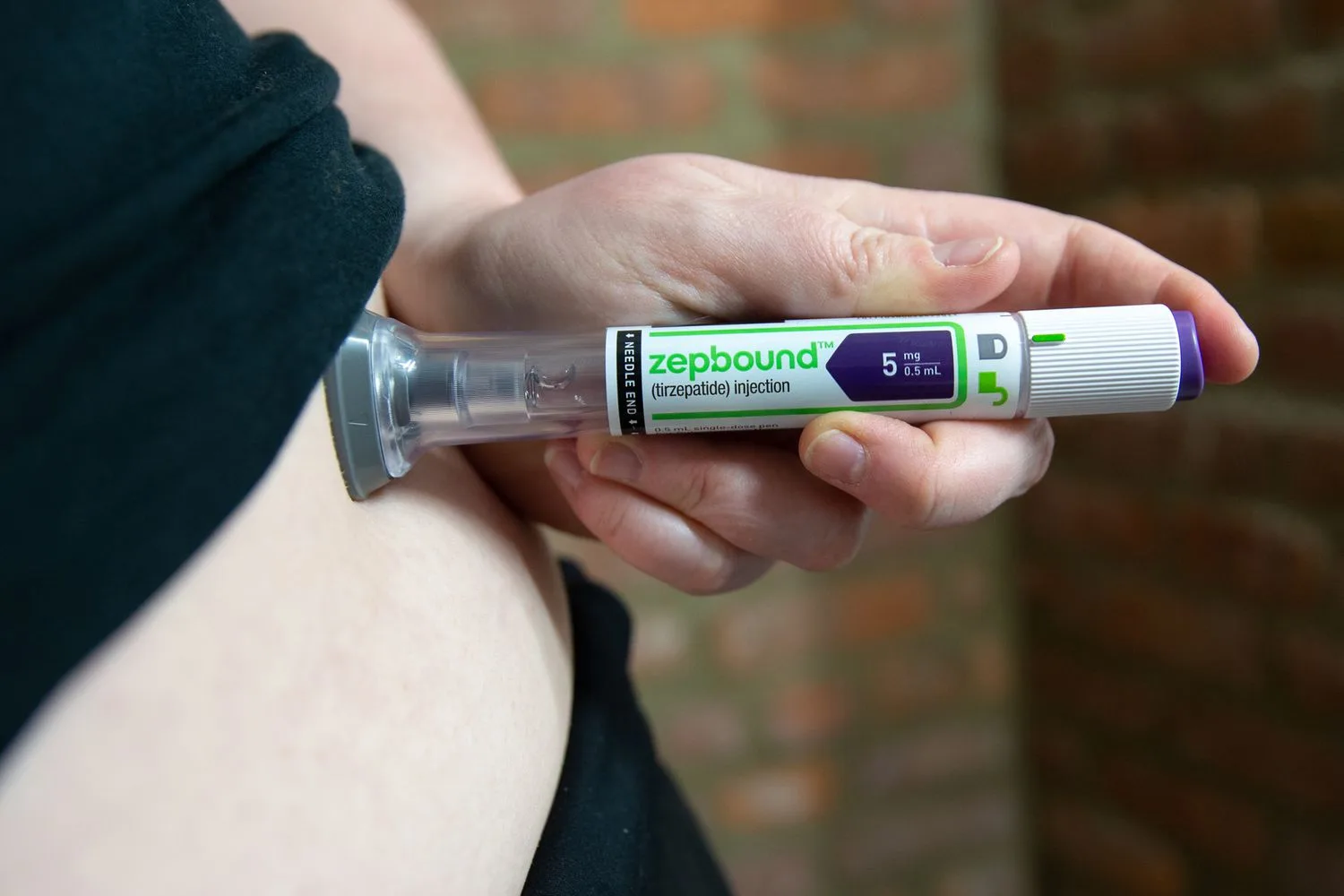
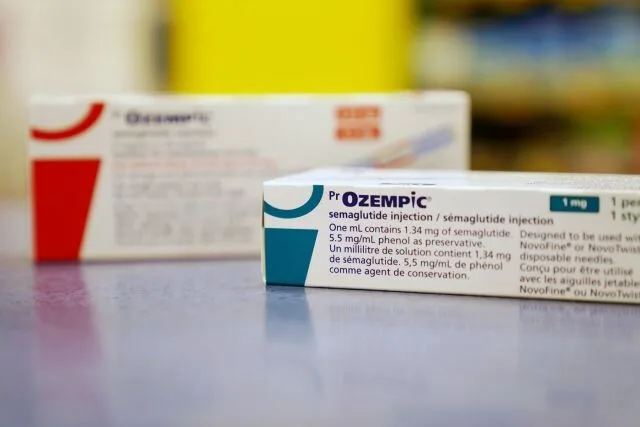
Recognizing PMOS as a systemic condition encourages a more comprehensive treatment strategy. This moves beyond managing individual symptoms to addressing the root causes, such as insulin resistance, hormonal imbalances, and lifestyle factors. This aligns with the growing understanding of how conditions like obesity and metabolic syndrome, often managed with therapies like GLP-1 agonists (semaglutide, tirzepatide) and weight management programs, are intrinsically linked to women's reproductive health.
The Broader Health Implications of PMOS
The impact of PMOS extends far beyond reproductive health. Its complex interplay with metabolic factors means individuals with PMOS are at an increased risk for a range of serious health issues throughout their lives. Understanding these risks is crucial for proactive management and long-term well-being.
Metabolic Complications
Insulin resistance is a cornerstone of PMOS, significantly increasing the risk of:
- Type 2 Diabetes: Studies consistently show a higher incidence of type 2 diabetes in women with PMOS compared to the general population.
- Obesity and Weight Management Challenges: Many individuals with PMOS struggle with weight gain and find it difficult to lose weight due to hormonal imbalances and insulin resistance. This is where understanding the role of weight management tools, including peptide therapies and lifestyle interventions, becomes paramount.
- Cardiovascular Disease: The combination of hormonal imbalances, metabolic dysfunction, and often obesity contributes to an elevated risk of heart disease, high blood pressure, and abnormal cholesterol levels.
Other Health Concerns
Beyond metabolic issues, PMOS is associated with:
Precision tracking for your journey
Join thousands using Shotlee to accurately track GLP-1 medications and side effects.
📱 Get the Shotlee App
Track your GLP-1 medications, peptides, and health metrics on the go with our mobile app!
- Sleep Apnea: Particularly in those who are overweight, sleep apnea is more common.
- Non-alcoholic Fatty Liver Disease (NAFLD): This condition is also more prevalent in individuals with PMOS.
- Mental Health: There is a higher prevalence of anxiety and depression among individuals with PMOS, which can be linked to hormonal fluctuations, chronic symptoms, and the psychological impact of managing a complex health condition.
The renaming to PMOS underscores the need for a lifelong, integrated approach to health management, involving regular screenings for these associated conditions. For individuals navigating these health challenges, tools that help track symptoms, medication adherence (like doses of semaglutide or tirzepatide if prescribed), and overall health metrics can be invaluable. Shotlee can play a role in empowering patients to monitor their progress and communicate effectively with their healthcare providers.
A New Dawn for Endocrine and Metabolic Health
The transition from PCOS to PMOS represents more than just a name change; it signals a paradigm shift in how we understand, diagnose, and treat a condition that affects a significant portion of the female population. By acknowledging its polyendocrine and metabolic roots, the medical community is better equipped to offer comprehensive, personalized care.
This evolution in terminology is a testament to ongoing research and the persistent advocacy of patients and clinicians. It offers hope for earlier interventions, reduced diagnostic delays, and improved long-term health outcomes for millions. As our understanding deepens, so too will our ability to manage and mitigate the wide-ranging impacts of this complex syndrome.
Practical Takeaways
- Advocate for yourself: If you suspect you have symptoms related to hormonal or metabolic imbalances, discuss them with your doctor.
- Understand the scope: Recognize that PMOS (formerly PCOS) is a systemic condition impacting multiple body systems, not just the ovaries.
- Holistic approach: Discuss lifestyle modifications, potential medical treatments (including those for weight management and metabolic health), and regular health screenings with your healthcare provider.
- Track your health: Utilize tools to monitor symptoms, menstrual cycles, mood, and any prescribed medications to share with your doctor.
Frequently Asked Questions
Q1: What is the primary reason for renaming PCOS to PMOS?
A1: The primary reason is to more accurately reflect the condition's underlying pathophysiology. 'PCOS' focused on ovarian cysts, which aren't always present and are often a symptom rather than the root cause. 'PMOS' (Polyendocrine Metabolic Ovarian Syndrome) better highlights the involvement of multiple endocrine glands and significant metabolic disturbances like insulin resistance, which are central to the syndrome.
Q2: How will the renaming of PCOS to PMOS impact diagnosis?
A2: The renaming is expected to improve diagnosis by increasing awareness among healthcare providers about the systemic nature of the condition. It encourages a broader differential diagnosis and may lead to earlier recognition, even in individuals who don't present with classic ovarian cysts, by focusing on the endocrine and metabolic symptoms.
Q3: Is PMOS the same condition as PCOS?
A3: Yes, PMOS is essentially the same condition as what was previously known as PCOS. The renaming is an update to the terminology to better align with current scientific understanding of the syndrome's complex hormonal and metabolic origins.
Q4: What are the key health risks associated with PMOS?
A4: Key health risks associated with PMOS include a significantly increased risk of type 2 diabetes, obesity, cardiovascular disease, sleep apnea, non-alcoholic fatty liver disease (NAFLD), and mental health conditions such as anxiety and depression. These are largely driven by the underlying insulin resistance and hormonal imbalances.
Q5: How can tracking health data help individuals with PMOS?
A5: Tracking health data, such as symptoms, menstrual cycle regularity, mood changes, weight fluctuations, and medication adherence (e.g., doses of GLP-1 medications like semaglutide or tirzepatide if prescribed), can provide valuable insights for both the individual and their healthcare provider. This data can help in making more informed treatment decisions, identifying patterns, and monitoring the effectiveness of interventions, thereby supporting a more personalized and proactive management plan.