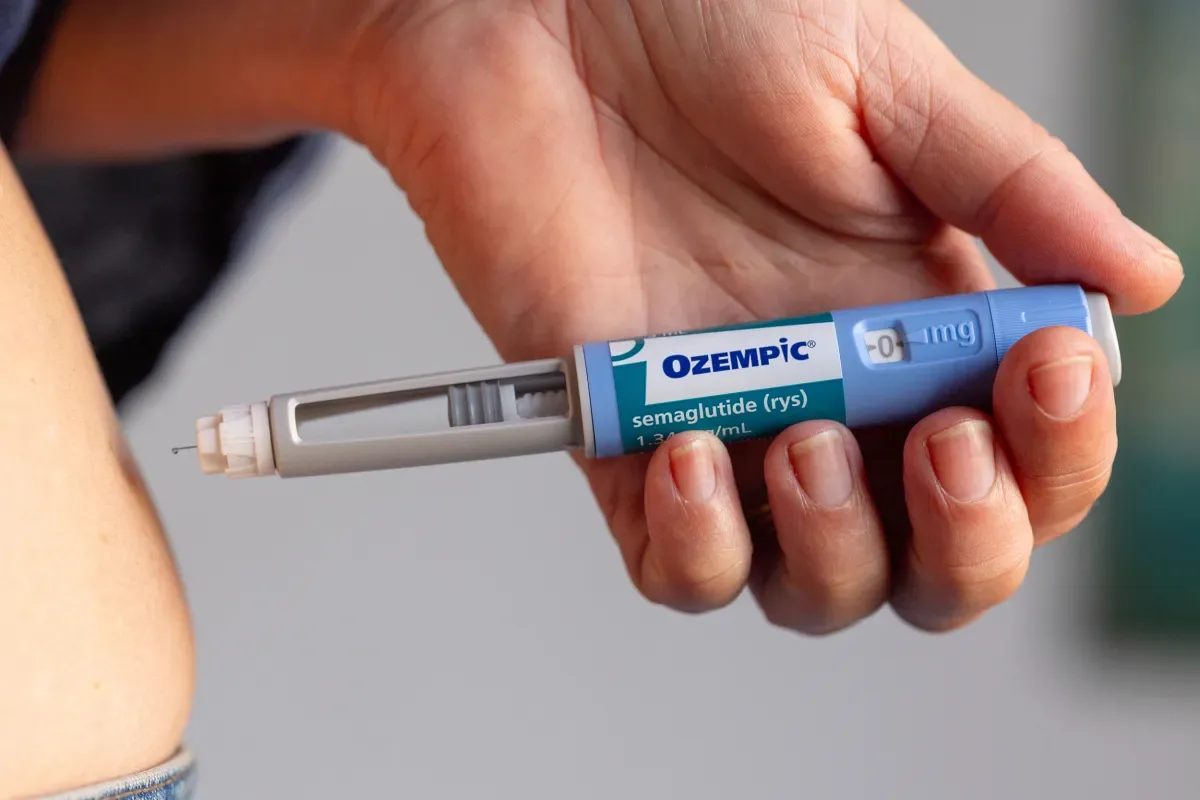

Semaglutide-based drugs like Ozempic, originally approved for type 2 diabetes, have exploded in popularity for weight loss. Once limited to endocrinology clinics, these GLP-1 medications now dominate social media and online consultations.
As demand grows, so do clinical and legal risks, heightening concerns for prescribers and patients alike.
Safety Signals from US Litigation
Overseas data provides a stark warning. In the United States, more than 1,800 active lawsuits target Ozempic, Wegovy, Mounjaro, and other GLP-1 drugs.
Plaintiffs claim manufacturers and prescribers failed to warn about severe side effects, with potential liabilities exceeding $2 billion.
Precision tracking for your journey
Join thousands using Shotlee to accurately track GLP-1 medications and side effects.
📱 Get the Shotlee App
Track your GLP-1 medications, peptides, and health metrics on the go with our mobile app!
Reported Complications of Semaglutide
Common allegations involve serious gastrointestinal issues, including:
- Gastroparesis (stomach paralysis)
- Bowel obstruction
- Gallbladder disease
- Kidney injury
- Persistent vomiting
Most alarming is the link to non-arteritic anterior ischaemic optic neuropathy (NAION), causing sudden, often irreversible vision loss.
Risks for UK and Ireland Prescribers
For clinicians offering weight loss services in the UK and Ireland, these issues translate to increased professional negligence risks.
Key Risk Areas
- Inadequate risk communication: Patients may claim insufficient warnings about severe, permanent effects like stomach paralysis, thyroid issues, or vision impairment. Evolving GLP-1 risk profiles demand robust informed consent.
- Off-label prescribing: Legal for weight loss but riskier without obesity or diabetes. Online services with limited assessments, minimal monitoring, or digital questionnaires heighten exposure.
- Diagnostic and monitoring failures: Effects like NAION or GI symptoms develop gradually. Delayed diagnosis from ignored red flags or poor documentation invites claims. Apps like Shotlee can aid in tracking doses and symptoms for better oversight.
- Expanding injury claims: Vision loss allegations surged in 2025, backed by research. Courts may view these as foreseeable risks requiring disclosure.
Priorities include enhanced informed consent, detailed records, strict follow-up, and awareness of GLP-1 risks. As litigation grows globally, proactive steps are essential.