
Ozempic-Like Drug Now Being Tested for Overweight Cats
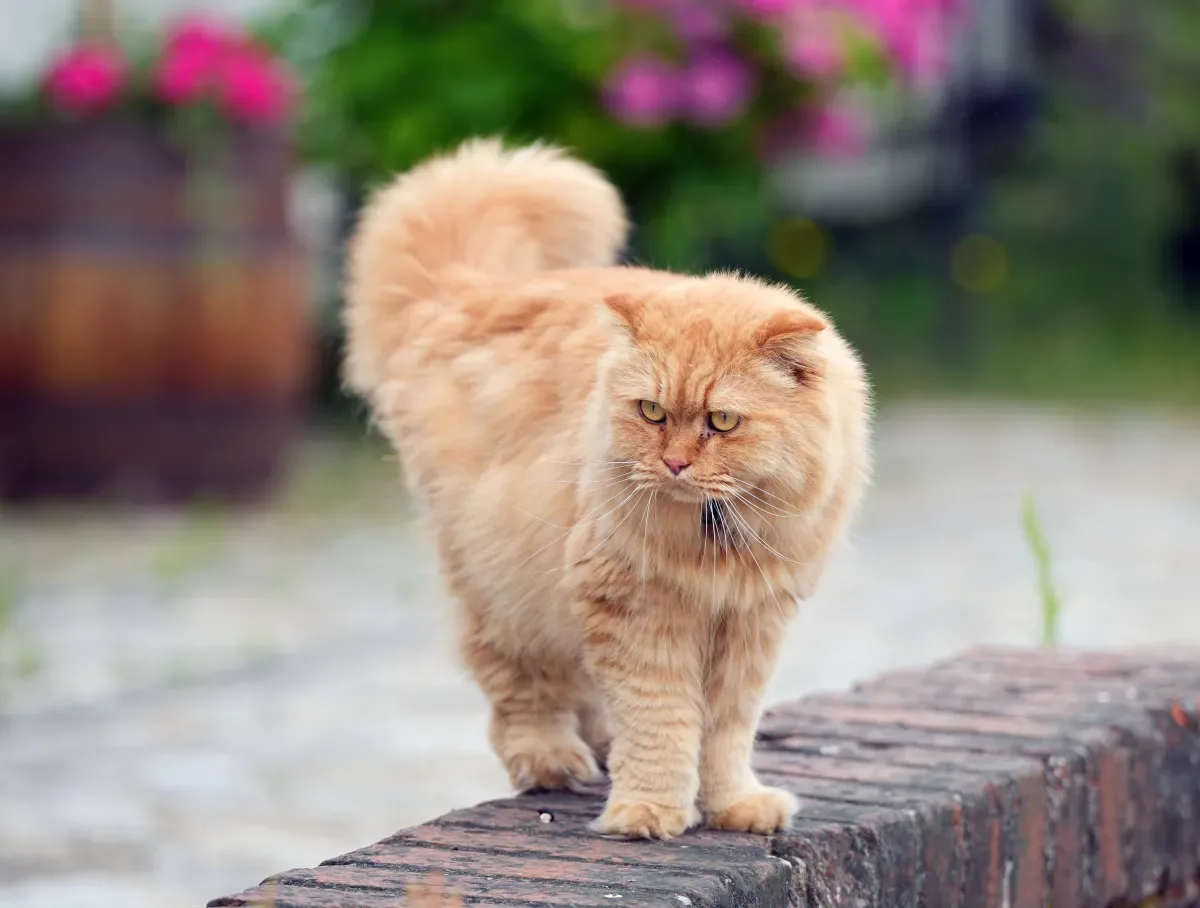
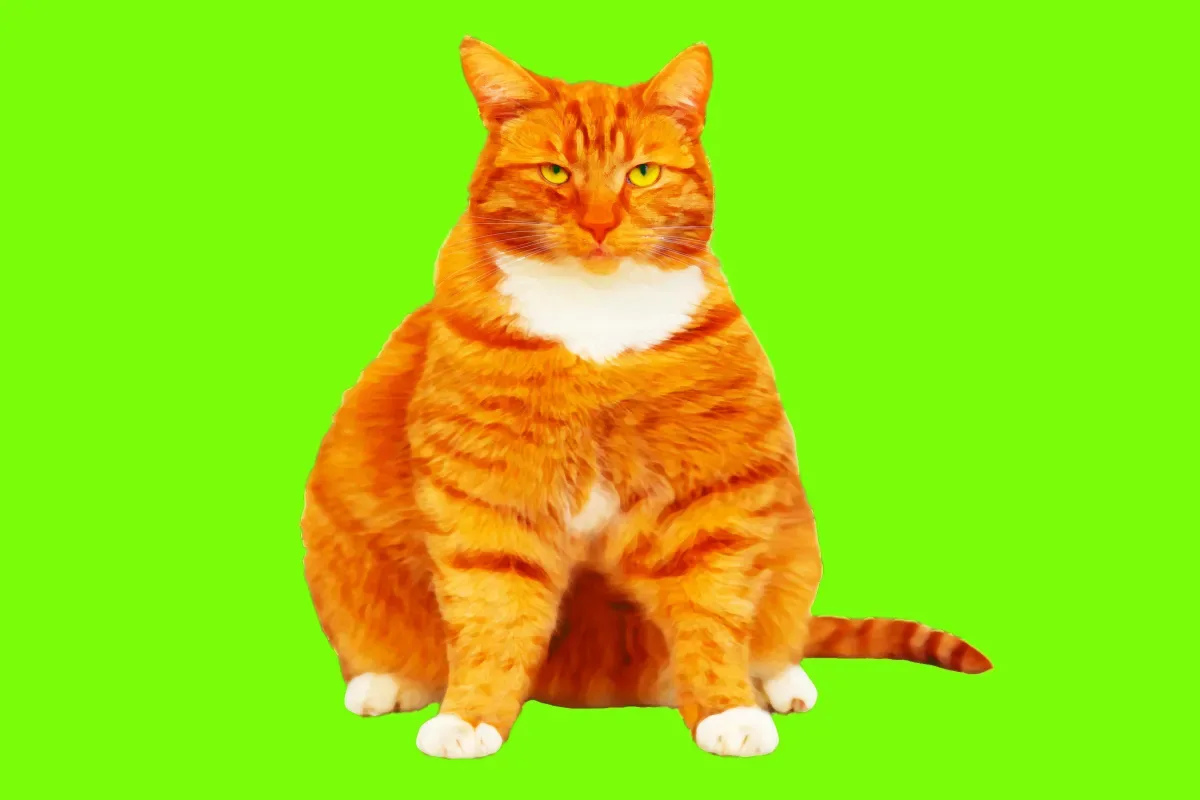
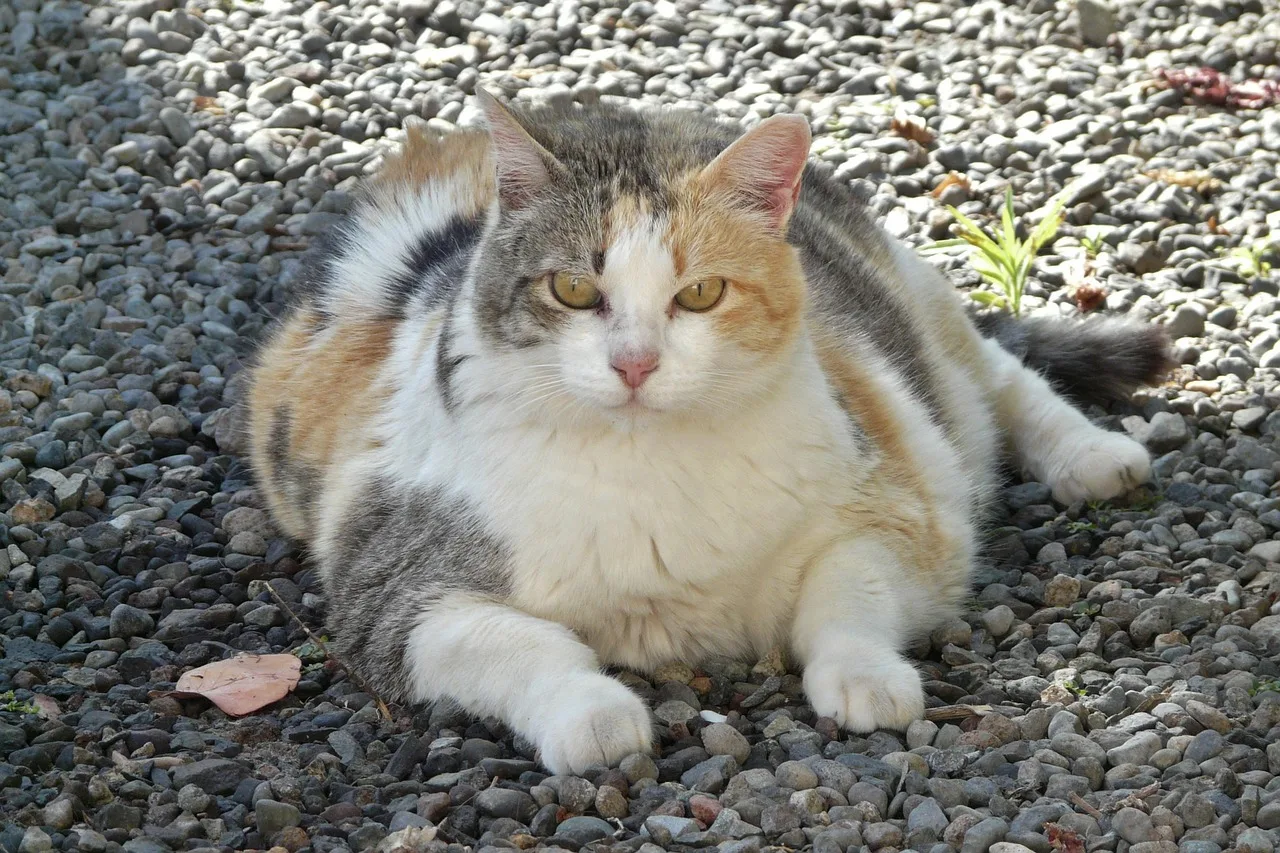
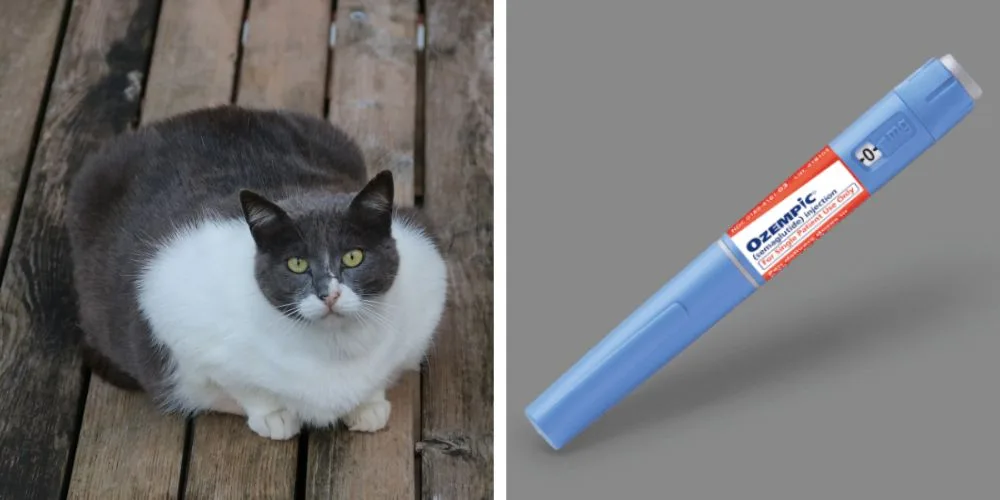
A medication mirroring the effects of Ozempic, specifically formulated for overweight cats, is currently under development. It's being touted as a potential game-changer in treating serious feline diseases.
OKAVA Pharmaceuticals, specializing in pet medications, has announced the successful completion of a clinical trial for their MEOW-1 drug, a GLP-1 agonist designed for cats. According to the company, this medication has the potential to enhance the quality of life, support healthy aging, and become a significant life-extending treatment option for feline companions.
The company states that the drug's purpose extends beyond just facilitating weight loss. OKAVA believes it could also help manage common metabolic disorders in cats, such as kidney disease and diabetes. Health tracking apps like Shotlee can help monitor changes in metabolic health alongside such medications.
According to Michael Klotsman, CEO of OKAVA, caloric restriction, or fasting, is known for extending lifespan and improving metabolic health in cats. He noted that while effective, it can be challenging to maintain. Klotsman explained in a public statement that OKV-119 aims to replicate the physiological benefits of fasting, including improved insulin sensitivity, reduced fat mass, and more efficient energy metabolism, without drastic dietary changes or disrupting the bond between humans and their pets that often revolves around food.
Precision tracking for your journey
Join thousands using Shotlee to accurately track GLP-1 medications and side effects.
📱 Get the Shotlee App
Track your GLP-1 medications, peptides, and health metrics on the go with our mobile app!
OKV-199 is administered through a small implant placed under the skin, which gradually releases the drug over approximately six months.
If the MEOW-1 trial continues to yield positive outcomes, OKAVA intends to conduct a larger trial before seeking FDA approval. The company anticipates that the drug could become available to consumers around 2028 or 2029.
This treatment is anticipated to be particularly valuable for pet owners who are struggling to manage obesity and associated health problems in their feline pets.