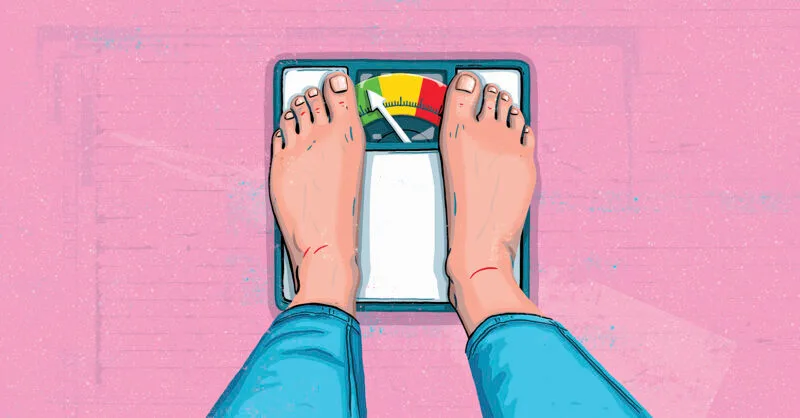
Society's portrayal of overweight individuals, like Monica in Friends, once fueled stigma. Today, drugs like Ozempic signal a shift toward viewing obesity as a medical condition.
Introducing 'Off the Scales': The Ozempic Story
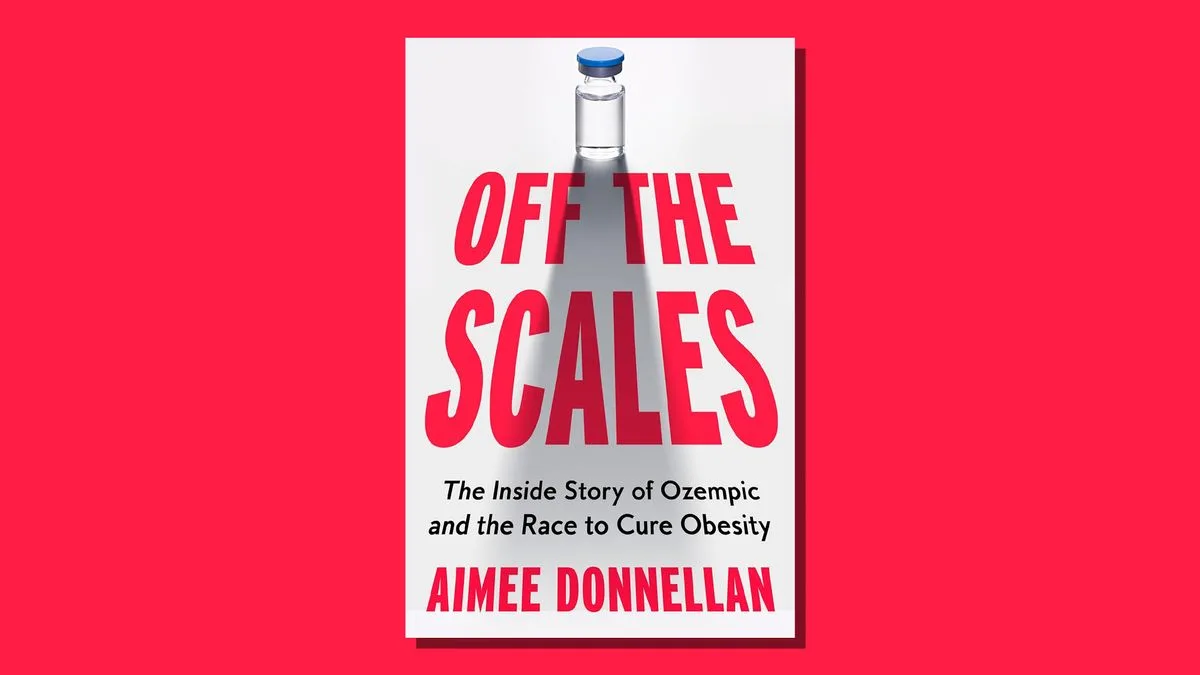
Aimee Donnellan, Reuters columnist, authored Off the Scales: The inside story of Ozempic and the race to cure obesity. The book covers the highs and lows of GLP-1 drugs, which mimic the gut hormone glucagon-like peptide-1. Donnellan argues these medications will transform medicine.
The Obesity Crisis Demands Action
Obesity is projected to affect over half the world's population by 2050. In the UK, it could cost health services up to £10 billion annually. Traditional advice like more exercise or self-control has failed, as has shaming.
- Genes play a strong role in obesity—we don't choose them.
- Early-life trauma links to weight gain.
- Junk food marketing thrives in food deserts, low-income areas lacking healthy options.
Donnellan shares moving case studies of people facing illness due to their size, despite weight loss efforts.
How Ozempic and GLP-1 Drugs Work
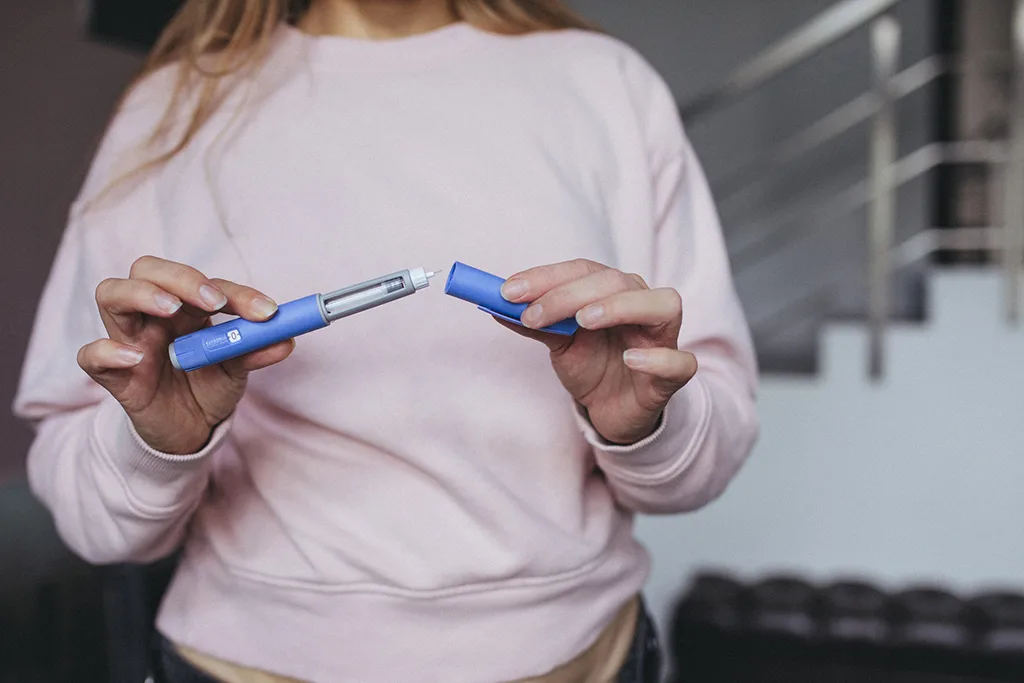
Approved in the US for type 2 diabetes at the end of 2017, Ozempic (semaglutide) induces weight loss as a side effect. It reduces appetite, slows stomach emptying, and may quiet 'food noise'—persistent cravings.
Treating obesity medically, like cancer or asthma, offers real hope. Users typically lose around 15% of body weight.
Precision tracking for your journey
Join thousands using Shotlee to accurately track GLP-1 medications and side effects.
📱 Get the Shotlee App
Track your GLP-1 medications, peptides, and health metrics on the go with our mobile app!
Limitations of GLP-1 Therapies
These drugs aren't a cure-all. The World Health Organization urges pairing them with policy changes and prevention. Severe obesity often persists post-treatment, and not everyone responds.
Gastrointestinal side effects can be intolerable. Other concerns include:
- Unsafe online knock-offs.
- Access issues for low-income groups in places like the US.
- Risks of harmful beauty standards if slim celebrities use them for further leanness.
The Business Side of GLP-1 Success
Drug development prioritizes profits over philanthropy. The global GLP-1 market could hit $100 billion by 2030. Patent battles and credit disputes highlight this reality.
Donnellan spotlights patient stories amid corporate wins. Experimental trials promise more effective, convenient options ahead.
A New Lens on Obesity Treatment
Off the Scales exposes obesity's treatable, hormonal roots. GLP-1 drugs like Ozempic foster empathy and medical solutions. While challenges remain, they redefine weight management for the better.