
Revolutionizing Pediatric Care: Oral Semaglutide for Youth Type 2 Diabetes
The landscape of Type 2 Diabetes (T2D) management is rapidly evolving, driven by advancements in GLP-1 Receptor Agonist (GLP-1 RA) therapies. While medications like semaglutide (known in injectable form as Ozempic® or Wegovy®, and oral Rybelsus® for adults) have transformed adult T2D and weight management, a critical gap has remained in treating younger populations. Novo Nordisk has recently announced highly encouraging topline results from the PIONEER TEENS Phase 3a trial, positioning oral semaglutide as a potential breakthrough for children and adolescents (aged 10–17 years) living with T2D.
These findings suggest that a convenient, oral formulation of this powerful peptide therapy could soon be available, offering superior blood sugar control where current standards of care often fall short. For families navigating the complexities of youth-onset T2D, this represents a significant milestone in the ongoing fight against this progressive condition.
Understanding the Unmet Need in Youth-Onset T2D
Type 2 Diabetes in children and adolescents is a growing public health concern, intrinsically linked to rising rates of obesity and increasingly sedentary lifestyles. Unlike Type 1 Diabetes, which is an autoimmune condition, T2D in youth is often driven by insulin resistance.
The Alarming Trajectory of Pediatric T2D
The statistics are stark. Globally, the number of adolescents living with T2D is projected to increase substantially. In 2021, this figure stood at approximately 14.6 million, with projections escalating to 20.9 million by 2030. This condition carries severe long-term risks, including increased likelihood of early mortality in adulthood.
Limitations of Current Standard Care
Current clinical guidelines for managing glycaemic control in youth-onset T2D primarily rely on metformin and insulin. However, these first-line treatments present significant challenges:
- Metformin Failure: Approximately half of adolescents on metformin eventually experience failure in maintaining adequate glycaemic control.
- Insulin Drawbacks: While effective for lowering blood sugar, insulin therapy is frequently associated with undesirable side effects, notably hypoglycemia (dangerously low blood sugar) and significant weight gain, which can complicate T2D management further.
This environment creates a pressing need for novel, effective, and well-tolerated therapeutic options. The PIONEER TEENS trial directly addresses this gap by testing an oral GLP-1 RA in this specific age group.
PIONEER TEENS Trial: Positive Efficacy and Safety Data
The Phase 3a PIONEER TEENS trial was specifically designed to evaluate the efficacy and safety profile of oral semaglutide compared to a placebo in pediatric patients already diagnosed with T2D.
Key Trial Outcomes
The results demonstrated that oral semaglutide achieved a superior reduction in HbA1c (a key measure of average blood sugar control over the preceding months) compared to the placebo group. Furthermore, the safety profile observed was consistent with what has been established in numerous prior semaglutide trials involving adult populations.
“These results from the PIONEER TEENS trial confirm that oral semaglutide is an effective treatment option for children and adolescents with type 2 diabetes who require glycaemic control beyond that provided by the current standard of care,” stated Martin Holst Lange, Chief Scientific Officer at Novo Nordisk.
The molecule's established benefits, including proven cardiovascular advantages seen in adult studies, add further weight to its potential utility in this younger cohort.
Comparing Treatment Profiles in Pediatric T2D
The introduction of an oral GLP-1 RA offers a stark contrast to existing injectable or oral medications:
Precision tracking for your journey
Join thousands using Shotlee to accurately track GLP-1 medications and side effects.
📱 Get the Shotlee App
Track your GLP-1 medications, peptides, and health metrics on the go with our mobile app!
| Treatment Class | Primary Mechanism | Common Pediatric Drawbacks | Novelty of Oral Semaglutide |
|---|---|---|---|
| Metformin | Decreases hepatic glucose production | Glycemic control failure in ~50% | Superior glycemic efficacy expected |
| Insulin | Replaces deficient hormone | Risk of hypoglycemia, weight gain | Generally weight neutral or loss |
| Injectable GLP-1 RAs | Increases insulin secretion, suppresses appetite | Requires injection, adherence challenges | Oral administration potential |
The Advantage of Oral Administration and Adherence
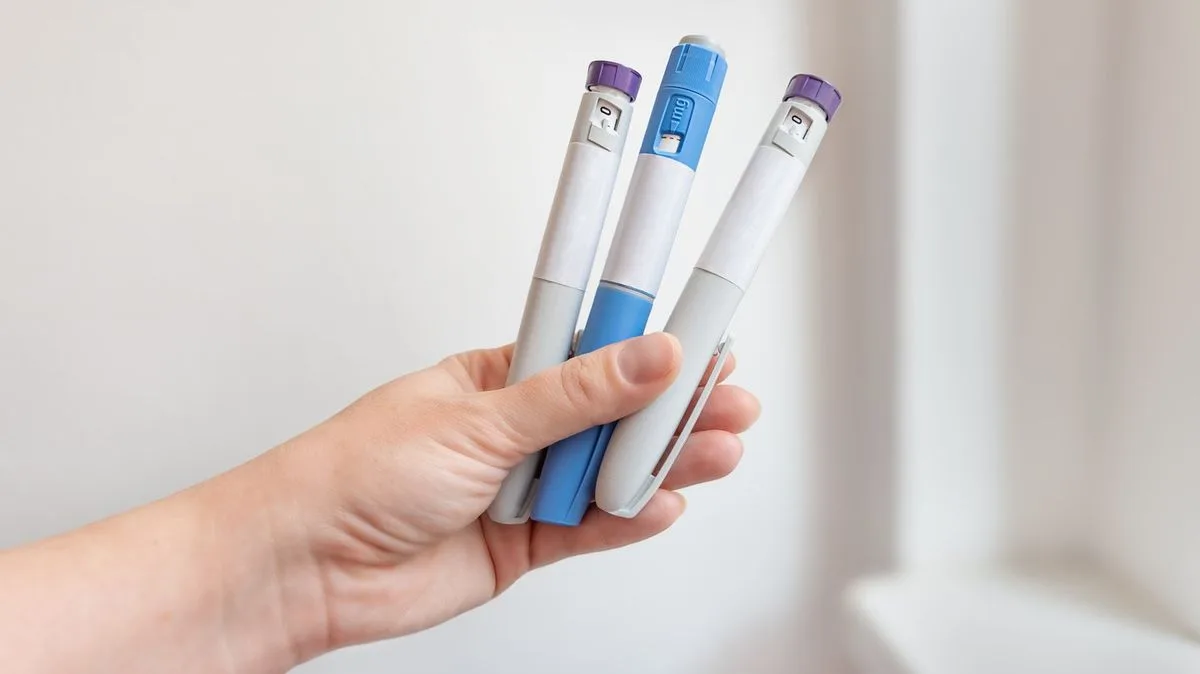
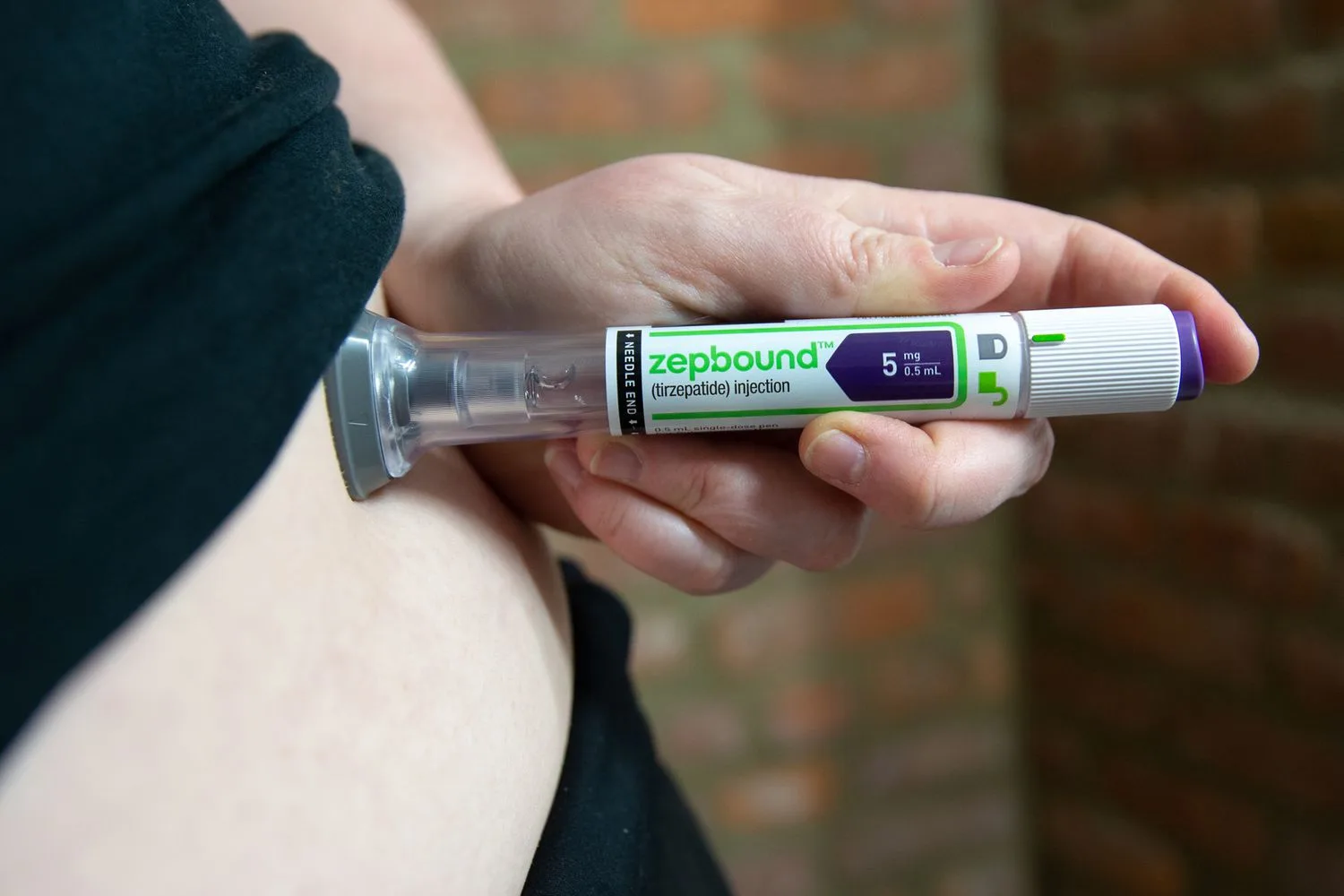
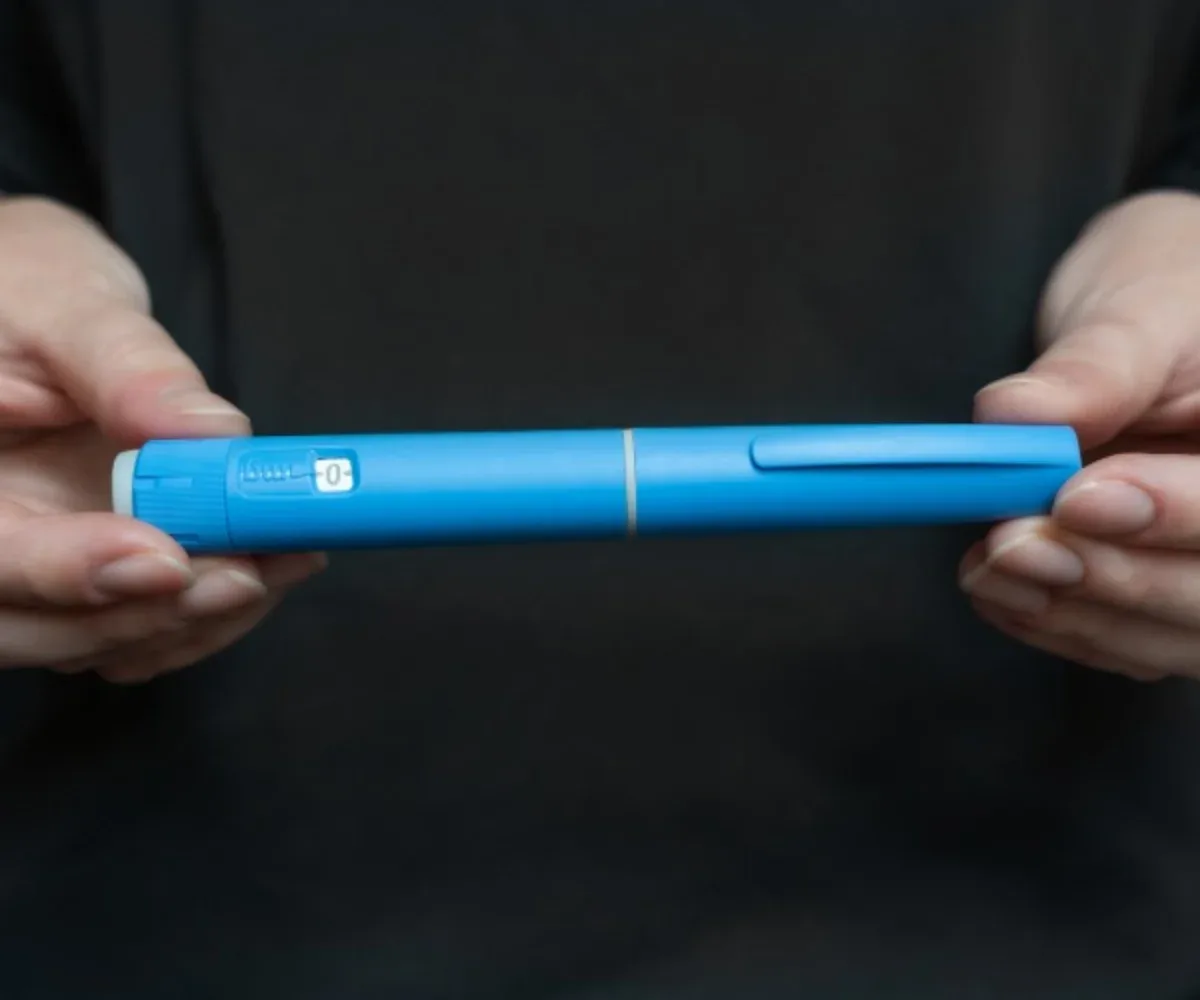
One of the most compelling aspects of this trial is the focus on the oral formulation. While injectable GLP-1 RAs like semaglutide have shown remarkable efficacy, the barrier of regular injections can significantly impact patient and family adherence, particularly in adolescents.
Dr. Motaz Azzam, a senior pediatric endocrinology fellow, highlighted this practical benefit:
“For many young patients, particularly those who struggle with injections, a pill-based option could significantly lower the barrier to treatment and support greater day-to-day adherence.”
The potential approval of an oral GLP-1 RA for this age group means that patients could benefit from the appetite regulation and glucose-lowering effects of peptide therapy without the psychological or practical hurdles associated with needles. This ease of use is crucial for long-term management and lifestyle integration.
Shotlee and Tracking Progress
As patients transition to new medications, whether oral semaglutide or other therapies, meticulous health tracking becomes vital. Tools like Shotlee are invaluable for patients and clinicians alike, allowing for the consistent logging of:
- Blood glucose readings (especially important when starting any new T2D medication).
- Dose timings and any missed doses.
- Symptom tracking, including gastrointestinal side effects common with GLP-1 RAs.
- Weight changes and appetite fluctuations.
Consistent data capture helps providers optimize dosing and ensure the treatment plan remains effective as the child grows and develops.
Contextualizing the Results: Beyond the Pill
While the clinical data is exciting, experts emphasize that medication is only one piece of the T2D management puzzle. Dr. Azzam stressed the importance of a holistic approach:
“Medication is one component of a broader care strategy. Healthy lifestyle habits, strong family support, and consistent medical follow-up remain the cornerstones of effective management.”
Early and effective intervention, supported by medications that improve metabolic control without significant negative side effects like weight gain, can fundamentally alter the long-term health trajectory for these young individuals. Oral semaglutide, if approved, offers a powerful tool to support these essential lifestyle changes.
Practical Takeaways for Families
For families managing T2D in children and adolescents, the news regarding oral semaglutide is encouraging, signaling a future with potentially better, more accessible treatment options.
- Stay Informed: Keep up-to-date on regulatory milestones for oral semaglutide approval for pediatric use.
- Discuss Adherence: If injections are currently a challenge, discuss the potential benefits of an oral GLP-1 RA with your endocrinologist.
- Maintain Comprehensive Tracking: Regardless of the medication used, continue rigorous tracking of diet, activity, and blood sugars.
- Focus on Foundation: Remember that lifestyle modifications (diet and exercise) remain non-negotiable cornerstones of T2D management.
Conclusion
The positive results from the PIONEER TEENS trial mark a significant step forward in addressing the rising challenge of Type 2 Diabetes in youth. Oral semaglutide has the potential to become the first oral GLP-1 RA therapy to offer superior glycemic efficacy in children and adolescents, offering a much-needed alternative to existing treatments constrained by adherence issues or undesirable side effects. Pending regulatory review, this innovation promises to provide clinicians with a powerful, patient-friendly tool to improve long-term health outcomes for the next generation.