Obesity rates are rising despite the growing popularity of GLP-1 medications like Wegovy and Zepbound, raising critical questions about the future of metabolic health in America. A study published in the New England Journal of Medicine predicts that by 2030, nearly half of all American adults will have obesity, with researchers expecting at least 35% of adults in every single state to have a body mass index (BMI) of 30 or higher—the standard threshold defining obesity. This projection challenges the optimism surrounding weight loss drugs, as these medications become more accessible and affordable.
Historical Trends in U.S. Obesity Rates
The Centers for Disease Control and Prevention (CDC) have tracked obesity rates, measured by BMI, since the 1980s, according to Cate Varney, MD, a family medicine physician and director of obesity medicine at UVA Health. During this period, obesity rates have steadily trended higher across the population.
Varney, who also teaches family medicine at the University of Virginia School of Medicine, noted a recent shift: "Then, last year, the Gallup National Health and Well-Being Index showed for the first time that obesity rates were declining," she said. "Everybody kind of scratched their head a bit, and we realized it correlated to when we started using GLP-1 medications."
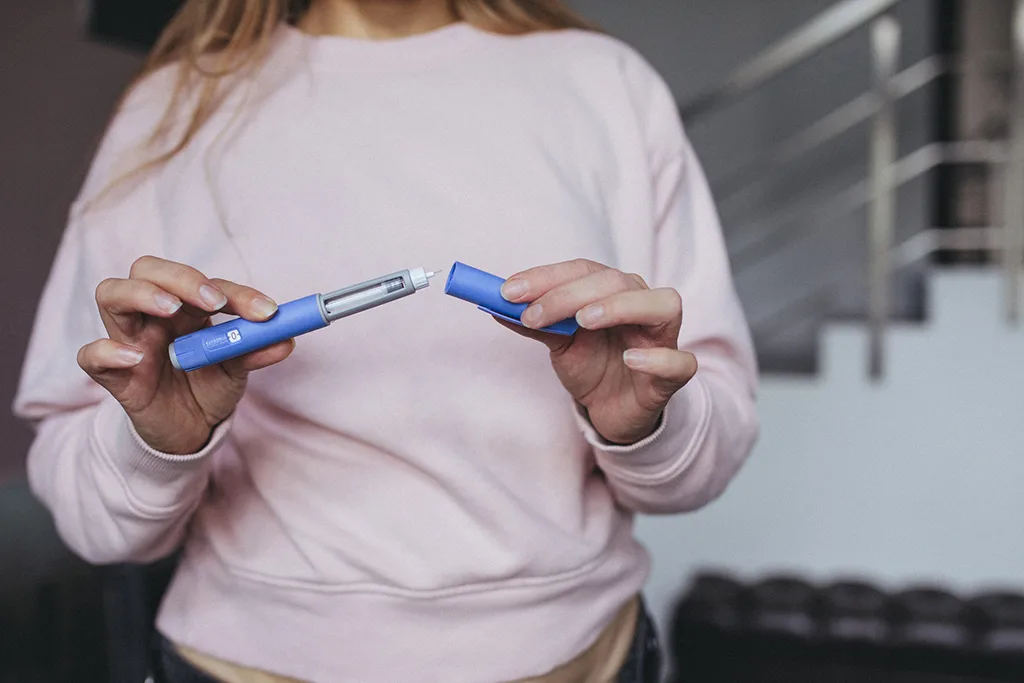
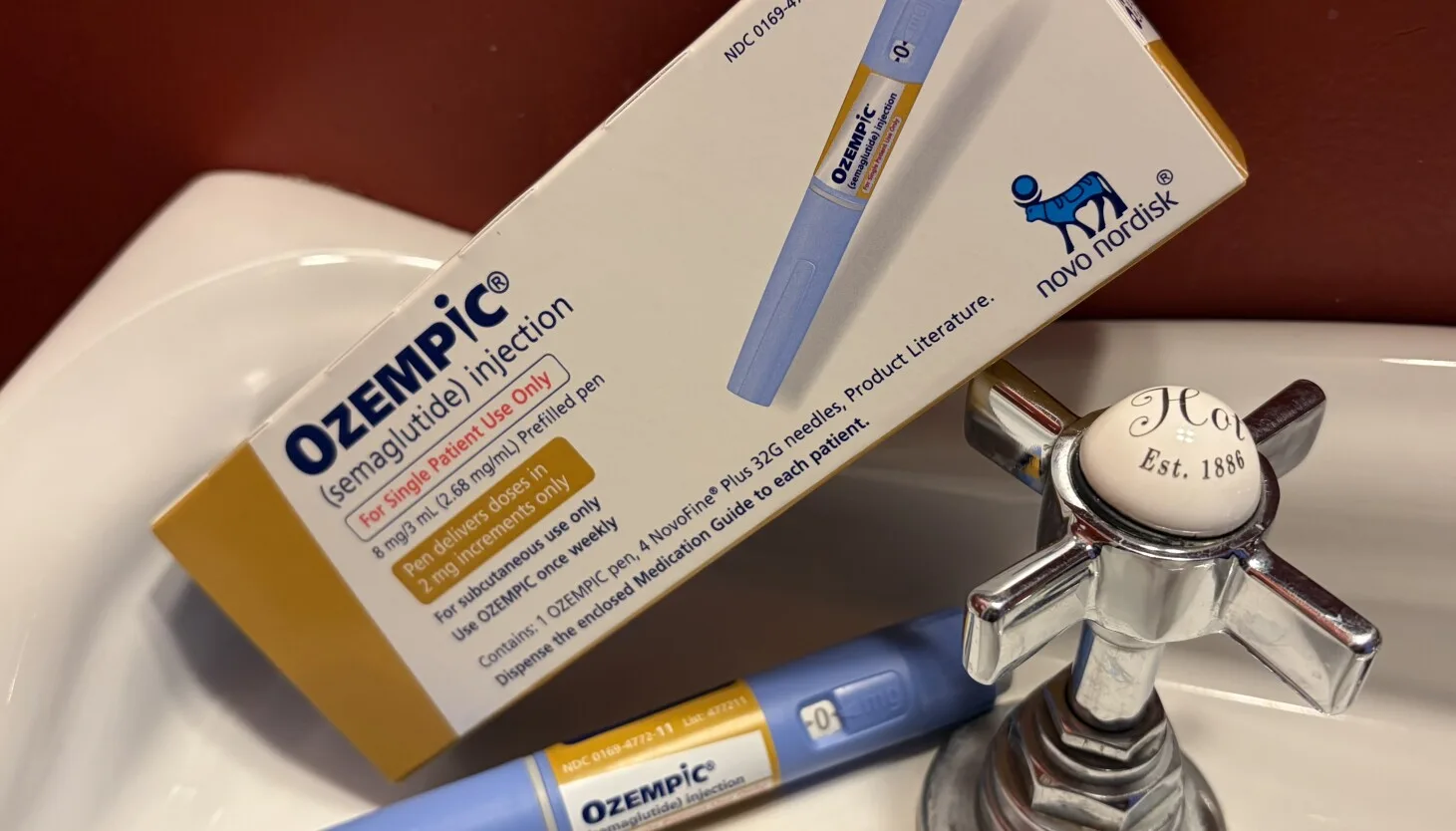
GLP-1 receptor agonists, such as semaglutide (found in Wegovy and Ozempic) and tirzepatide (in Zepbound), mimic the glucagon-like peptide-1 hormone to regulate appetite, slow gastric emptying, and improve insulin sensitivity. These mechanisms help promote weight loss by reducing caloric intake and enhancing feelings of fullness. However, while overall obesity rates showed a brief dip, deeper trends reveal persistent challenges.
The Persistent Climb of Severe Obesity
GLP-1 medications have transformed behaviors around eating, shopping, and even social interactions. Yet, as Varney emphasized, one trend has not reversed—in fact, it has accelerated: "The rates of severe obesity, defined as a BMI of 40 or greater, are still climbing," she said.
Unlike overweight status (BMI 25 to 29.9), which can often be managed through lifestyle modifications like diet and exercise, obesity and especially severe obesity typically resist individual efforts alone. Medical interventions, such as bariatric surgery or GLP-1 medications, are frequently necessary for meaningful progress.
Importantly, the projected 50% obesity rate by 2030 excludes those who are overweight. "When you look at those with both overweight and obesity, we're looking at 75% of the population," Varney clarified. This broader perspective underscores the scale of the metabolic health crisis.
GLP-1 Medications: A Partial Solution
For patients with obesity, GLP-1s offer substantial benefits, including average weight loss of 15-20% of body weight in clinical trials. However, access barriers—such as cost, insurance coverage, and supply shortages—limit their impact on population-level trends. Patients considering these drugs should discuss eligibility with their physician, focusing on BMI, comorbidities like type 2 diabetes or cardiovascular disease, and potential side effects such as nausea, gastrointestinal issues, or muscle loss.
Obesity Disparities: Who Is Most Affected?
The rising tide of weight gain will not affect all groups equally. Projections indicate more women than men will experience severe obesity. Black and Latino populations are expected to have higher obesity rates than white American adults. Additionally, some of the poorest states in the country are forecasted to have a greater proportion of adults with obesity.
"This is one of the disparities we talk about in obesity medicine," Varney explained. "In food deserts—places where it is harder to access food—we actually have higher rates of obesity. Food that is more nutritionally dense and has higher calories tends to be mass-produced and therefore cheaper, so it contributes to higher rates of obesity."
Precision tracking for your journey
Join thousands using Shotlee to accurately track GLP-1 medications and side effects.
📱 Get the Shotlee App
Track your GLP-1 medications, peptides, and health metrics on the go with our mobile app!
Addressing these inequities requires systemic changes, including policy efforts to improve food access and affordability of nutrient-rich options. For individuals in underserved areas, tools like symptom-tracking apps (e.g., Shotlee for monitoring medication adherence and side effects) can support personalized management alongside GLP-1 therapy.
Understanding BMI: A Useful but Limited Tool
Body mass index calculates a ratio of a person's height to their weight and was not originally designed as a definitive health measure. Nonetheless, it equips clinicians with actionable insights into a patient's risk for various conditions.
"With increasing body mass index, we see cholesterol levels rise, we see higher blood pressure, we see higher rates of cardiovascular disease," Varney said, along with elevated overall mortality rates.
The Bidirectional Link with Cardiovascular Disease
Varney described the obesity-cardiovascular disease relationship as "bidirectional." Excess weight heightens heart disease risk through inflammation, insulin resistance, and dyslipidemia, while heart conditions can exacerbate obesity by curtailing physical activity and increasing fatigue.
However, BMI has notable limitations. "One of the classic examples I use with my patients is Arnold Schwarzenegger. When he was Mr. Olympia, his BMI was in the obesity range, but he was the picture of health, and he had less than 6% body fat," Varney noted. "That's the limitation of BMI—it doesn't tell you where that weight is coming from."
Athletes, very tall individuals, or those with high muscle mass may exceed BMI thresholds despite optimal health. Varney advises such patients: Focus on biomarkers like blood pressure, cholesterol, and glucose levels rather than scale weight alone. Comprehensive assessments, including waist circumference and body composition scans, provide a fuller picture.
Strategies to Reverse the Obesity Trajectory
Not all hope is lost. Varney highlighted actionable steps: Employers can prioritize obesity treatments when selecting health insurance plans, potentially covering GLP-1s or surgery. Prevention remains key—expanding access to healthy, affordable food and creating environments conducive to exercise are essential.
For patients, combining GLP-1 therapy with lifestyle support yields the best outcomes. Discuss with your doctor whether medications like Wegovy or Zepbound suit your profile, and monitor progress with regular check-ins. Comparing GLP-1s to alternatives like older weight loss drugs (e.g., phentermine) shows superior efficacy and cardiometabolic benefits, though long-term data on severe obesity reversal is still emerging.
Safety considerations include screening for thyroid issues or pancreatitis history before starting GLP-1s, and gradual dose titration to minimize GI side effects.
Key Takeaways for Patients and Policymakers
- Obesity rates are projected to reach nearly 50% by 2030, with severe obesity (BMI ≥40) accelerating despite GLP-1 uptake.
- GLP-1 medications correlate with recent declines in overall rates but haven't stemmed severe cases.
- Disparities affect women, Black and Latino communities, and low-income areas due to food deserts.
- BMI is a screening tool, not perfect—prioritize biomarkers and body composition.
- Action steps: Advocate for insurance coverage, improve food access, and personalize treatment with physician guidance.
Conclusion: Navigating the Obesity Epidemic
The persistence of rising obesity rates, even amid GLP-1 innovations, signals the need for multifaceted approaches beyond medication alone. By preserving Dr. Varney's insights on trends, disparities, and BMI nuances, patients can better advocate for themselves. Consult your healthcare provider to explore GLP-1 options, track health metrics diligently, and contribute to broader prevention efforts for a healthier future.