In the rapidly evolving landscape of metabolic health, two pharmaceutical giants—Novo Nordisk and Eli Lilly—stand at the forefront of GLP-1 receptor agonist therapies. These medications, including semaglutide (Ozempic, Wegovy, Rybelsus) from Novo Nordisk and tirzepatide (Mounjaro, Zepbound) from Eli Lilly, have transformed treatment for type 2 diabetes and obesity. With global obesity rates climbing and demand surging, understanding the strengths of each company's offerings is crucial for patients seeking sustainable weight management.
This comprehensive guide compares their flagship drugs head-to-head, drawing on pivotal clinical trials, mechanisms of action, real-world data, and pipeline developments. We'll help you navigate choices based on efficacy, safety, accessibility, and long-term potential—empowering informed decisions without the hype.
Understanding GLP-1 Medications: The Science Behind the Success
GLP-1 receptor agonists mimic glucagon-like peptide-1, a gut hormone that regulates blood sugar, slows gastric emptying, and signals fullness to the brain. This triple action—improved glycemic control, appetite suppression, and reduced food intake—drives profound weight loss, often 15-20% of body weight in trials.
Novo Nordisk pioneered this class with drugs like Ozempic (weekly injection for diabetes) and Wegovy (higher-dose for obesity). Eli Lilly advanced it with tirzepatide, a dual GLP-1/GIP agonist, potentially amplifying effects by targeting two incretin hormones.
Key insight: While both companies leverage incretin biology, tirzepatide's dual mechanism may explain its edge in weight reduction, per head-to-head data.
Novo Nordisk's Portfolio: The Established Leader
Ozempic and Wegovy (Semaglutide)
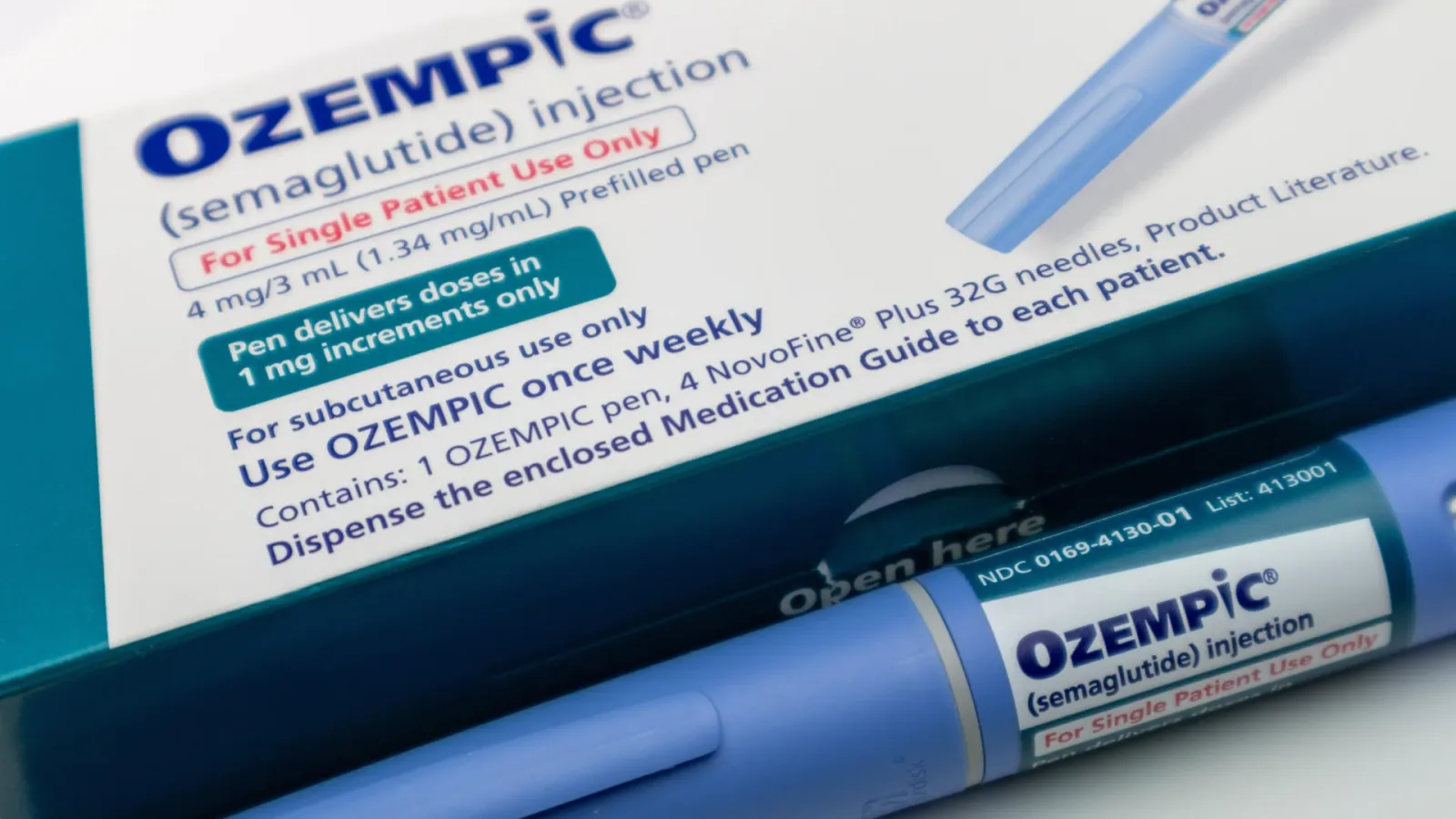
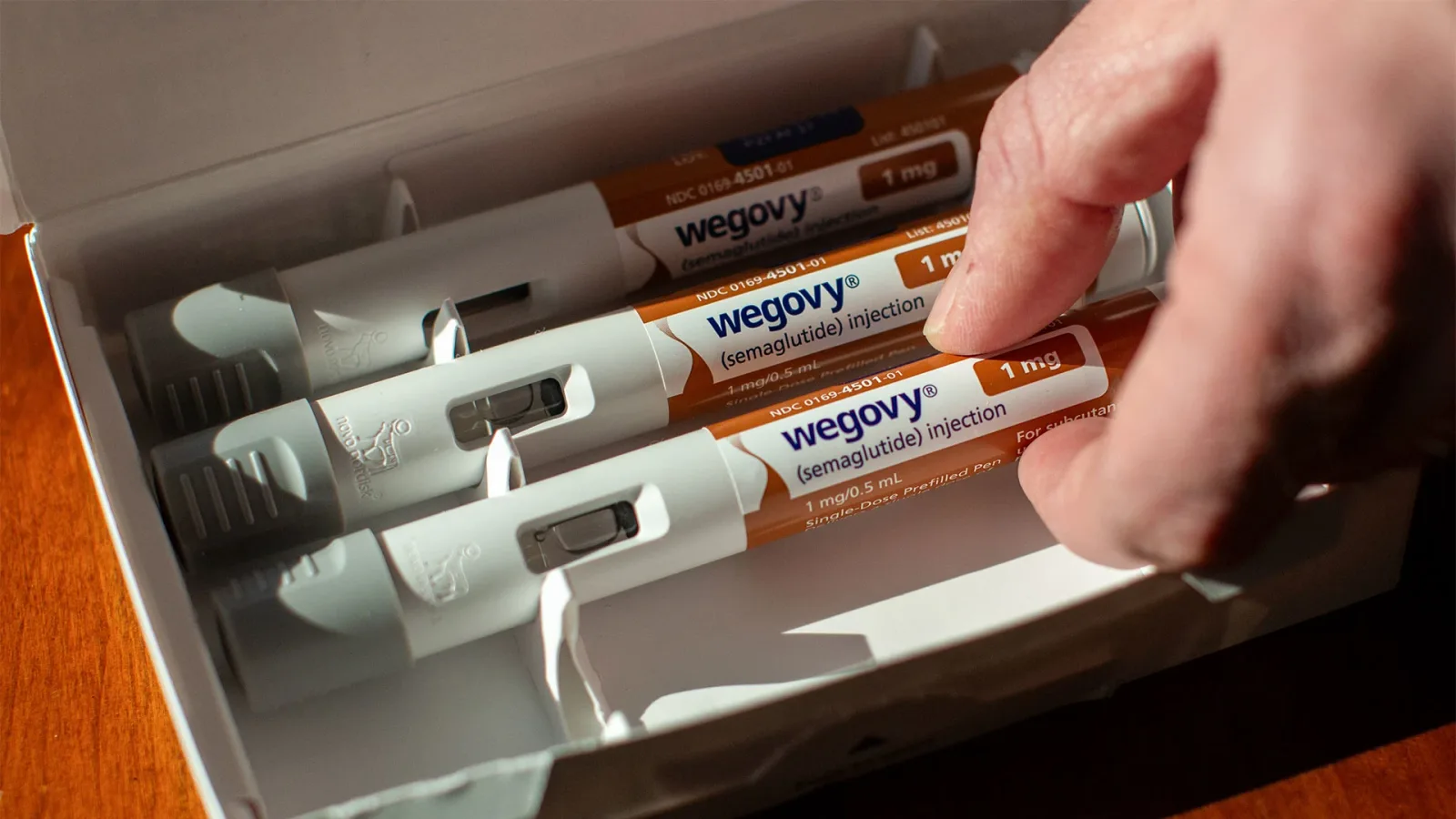
Semaglutide, Novo Nordisk's cornerstone, was approved by the FDA in 2017 for diabetes (Ozempic) and 2021 for chronic weight management (Wegovy). Dosing starts at 0.25 mg weekly, titrating to 2.4 mg for Wegovy.
The STEP trials (e.g., STEP 1) demonstrated 14.9-17.4% weight loss at 68 weeks versus 2.4% placebo. For diabetes, SUSTAIN trials showed A1c reductions of 1.5-2%. Novo's global footprint—decades of insulin dominance—ensures supply chains less reliant on U.S. manufacturing, mitigating shortages seen in 2023-2024.
Rybelsus: The Oral Breakthrough
Rybelsus (oral semaglutide, 3-14 mg daily) removes injection fears, approved for diabetes in 2019. PIONEER trials reported 5-6 kg loss and A1c drops of ~1.3%. Novo is advancing higher-dose oral formulations for obesity (OASIS trials ongoing), potentially unlocking mass adoption. Imagine tens of millions accessing therapy without needles—projected revenues in the billions if scaled.
Novo's international infrastructure positions it for emerging markets, where injections may face cultural barriers.
Eli Lilly's Counterpunch: Tirzepatide Takes the Lead
Mounjaro and Zepbound (Tirzepatide)
Launched in 2022 (Mounjaro for diabetes, Zepbound for obesity), tirzepatide (2.5-15 mg weekly) combines GLP-1 and GIP agonism. SURMOUNT-1 trial results stunned: 20.9% average weight loss (vs. 3.1% placebo) at 72 weeks—outpacing semaglutide by ~5%.
SURPASS trials for diabetes showed superior A1c reductions (2.3%) and weight loss (up to 12 kg) versus semaglutide or insulin. Head-to-head in SURPASS-2: tirzepatide beat semaglutide 2.4 mg (15 kg vs. 12 kg loss).
Lilly's U.S.-centric approach has fueled rapid adoption, though supply constraints persist.
Precision tracking for your journey
Join thousands using Shotlee to accurately track GLP-1 medications and side effects.
📱 Get the Shotlee App
Track your GLP-1 medications, peptides, and health metrics on the go with our mobile app!
Head-to-Head Comparison: Efficacy, Safety, and Practicality
| Aspect | Novo Nordisk (Semaglutide) | Eli Lilly (Tirzepatide) |
|---|---|---|
| Weight Loss (Obesity Trials) | 15-17% (STEP 1-5) | 20-22% (SURMOUNT 1-3) |
| A1c Reduction (Diabetes) | 1.5-2% (SUSTAIN) | 2-2.5% (SURPASS) |
| Common Side Effects | GI: nausea (44%), vomiting (24%), diarrhea (30%) | Similar GI profile, slightly higher rates at max dose |
| Dosing | Weekly injection (0.25-2.4 mg); oral option | Weekly injection (2.5-15 mg) |
| Cost (List Price, US) | $1,000-1,300/month | $1,000-1,300/month (similar) |
Efficacy edge: Tirzepatide wins on weight loss, likely due to GIP's fat metabolism boost. However, semaglutide's cardiovascular benefits (CVOTs like SELECT: 20% MACE reduction) are proven; Lilly's trials are ongoing.
Safety profile: Both carry black-box warnings for thyroid tumors (rodent data). GI issues peak during titration—managed with slow ramps, hydration, and small meals. Rare pancreatitis or gallbladder risks similar. Tools like Shotlee can track symptoms, side effects, and nutrition to optimize therapy.
Real-World Data and Patient Considerations
SELECT trial (n=17,000+): Wegovy cut heart events by 20% in overweight patients without diabetes. Tirzepatide shows promise in REIMAGINE, but long-term CV data lags. For patients, factors include:
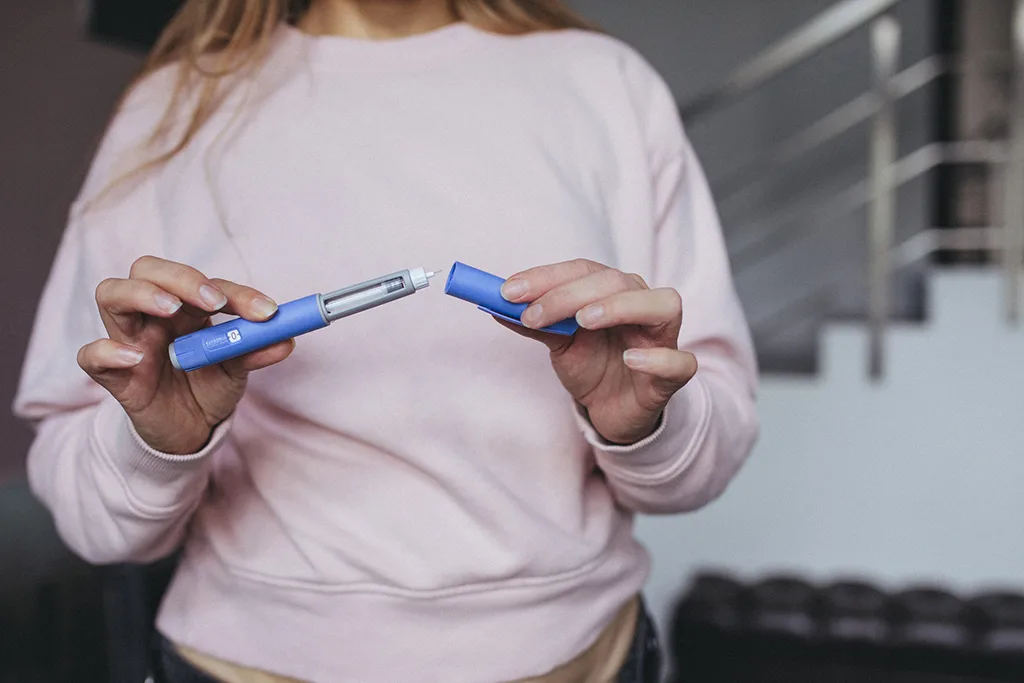
- Injection tolerance: Both pens are user-friendly; oral semaglutide appeals to needle-phobes.
- Supply: Novo's global scale offers stability.
- Comorbidities: Semaglutide for proven CV risk reduction; tirzepatide for maximal weight loss.
Pipeline and Future Outlook: Who Leads Next?
Novo's CagriSema (semaglutide + amylin analog) hit 23% weight loss in phase 3—rivaling tirzepatide. Oral semaglutide for obesity could disrupt, targeting billions in underserved markets.
Lilly counters with retatrutide (triple agonist: GLP-1/GIP/glucagon), posting 24% loss in phase 2. Both invest heavily, but Novo's decades-long relationships with health systems provide durable edges.
For patients, the "tide" favors innovation—monitor approvals expected 2025-2026.
Lifestyle Integration: Maximizing GLP-1 Benefits
Medications shine with diet (high-protein, fiber-rich) and exercise (150 min/week resistance + cardio). Studies like STEP-HFpEF show added heart failure benefits with activity. Track progress with apps like Shotlee for nutrition logging alongside meds.
Avoid pitfalls: Don't skip doses; taper off under guidance to prevent rebound.
Conclusion: Choosing Your GLP-1 Path
Novo Nordisk offers proven, globally scalable semaglutide with oral potential and CV data. Eli Lilly's tirzepatide delivers superior weight loss today, poised for triple-agonist leaps. Neither is "underdog"—select based on goals: max loss (Zepbound) or broad accessibility (Wegovy/Ozempic).
Consult your provider for personalized dosing. These therapies aren't quick fixes but tools for metabolic reset when paired with lifestyle. Stay informed as pipelines evolve—the future of obesity treatment is brighter than ever.