
Novo Nordisk Receives US Approval for Oral GLP-1 Weight-Loss Medication
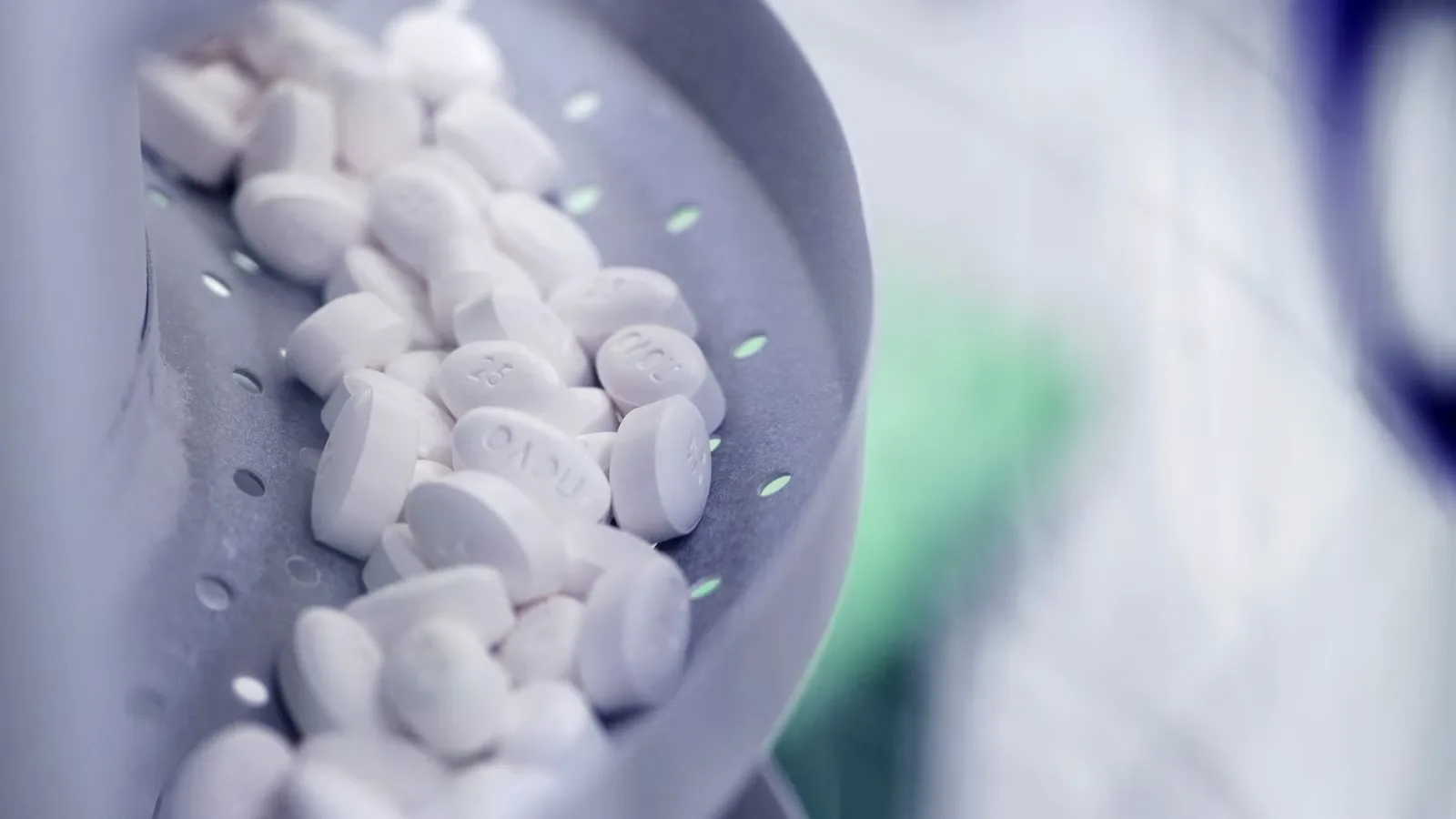
Danish pharmaceutical company Novo Nordisk announced that the US Food and Drug Administration (FDA) has given the green light to its GLP-1 anti-obesity drug, Wegovy, in a pill form, to aid in weight management.
According to Mike Doustdar, president and CEO of Novo Nordisk, this approval provides individuals with a convenient, once-daily oral medication to achieve similar weight loss results as the original Wegovy injection.
While the FDA previously approved a similar pill for diabetes treatment, this new approval allows doctors to prescribe the medication for weight loss in adults who are obese or overweight and have at least one weight-related comorbidity, such as a heart condition.
The US Obesity Care Advocacy Network (OCAN) welcomed the announcement, noting that it presents an important option for people with obesity. It offers an alternative for those hesitant to begin injectable therapy and potentially a lower-cost option.
Obesity Statistics
The US Centers for Disease Control and Prevention (CDC) estimates that approximately 40% of American adults are affected by obesity.
Precision tracking for your journey
Join thousands using Shotlee to accurately track GLP-1 medications and side effects.
📱 Get the Shotlee App
Track your GLP-1 medications, peptides, and health metrics on the go with our mobile app!
GLP-1 Agonists Popularity
The latest generation of appetite-suppressing drugs utilizing GLP-1 agonists, including brands like Ozempic, Wegovy, and Mounjaro, has gained considerable popularity in recent years due to their effectiveness in facilitating weight loss. Health tracking apps like Shotlee can help monitor progress and manage potential side effects.
Drug Pricing
Previously, US President Donald Trump announced agreements with Novo Nordisk and Eli Lilly to reduce the cost of certain weight-loss drugs in exchange for tariff certainty.
These medications, which can cost over $1,000 per month for US residents, could potentially offer starting oral doses for as little as $150 under the agreement, although injectable prices would remain higher.
In its announcement, Novo Nordisk did not specify the price of the Wegovy pill but indicated plans for a US launch in January.
Trump had been renewing attempts to lower drug prices, taking actions to pressure pharmaceutical companies to voluntarily lower their prices. He had also considered imposing tariffs of 100 percent on branded pharmaceuticals unless companies established manufacturing facilities in the United States.