
New Year, New Scam: Fraudsters Target Dieters with Bogus Weight Loss Drugs
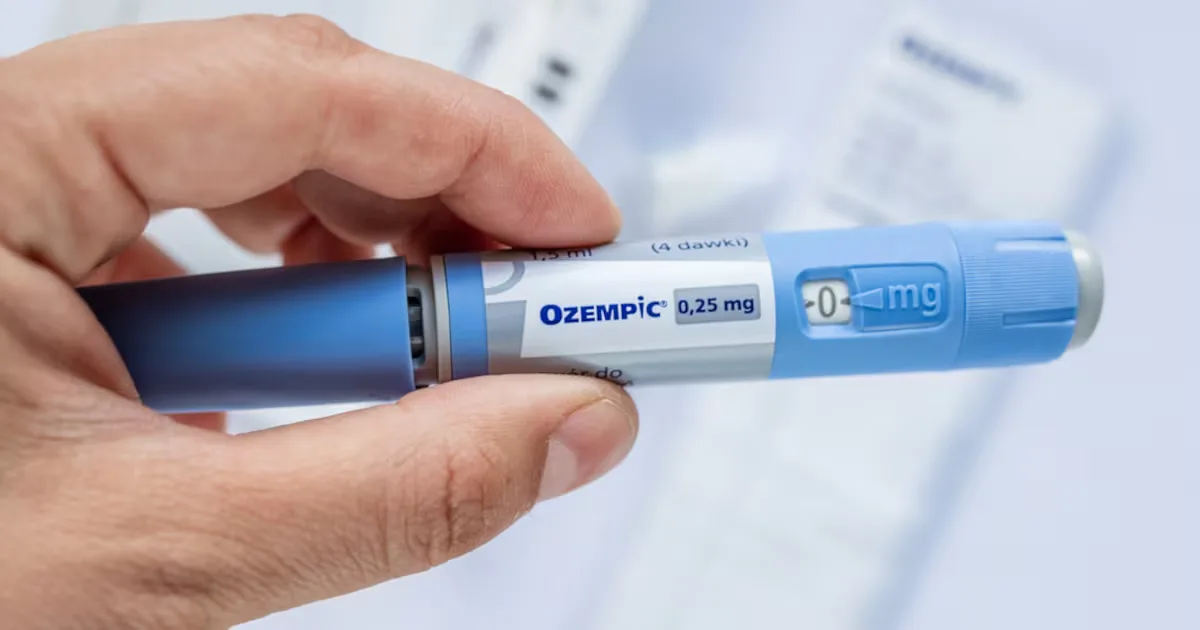
Weight loss constitutes a significant New Year's resolution. Consequently, a considerable number of individuals are now using GLP-1 medications—prescription drugs indicated for Type 2 diabetes and, in certain instances, as an aid in weight reduction.
However, scammers are capitalizing on this trend, employing deceptive websites and offers to pilfer funds and personal information.
GLP-1 medications, including Ozempic and Wegovy, have risen in popularity as weight loss options. Due to this increasing demand, some individuals resort to online channels in an attempt to procure them at reduced prices. Health tracking apps like Shotlee can help monitor your progress and be mindful of any irregularities.
Melanie McGovern, a spokesperson for the Better Business Bureau, stated, "It's a hot item. Many people want to use it. Some insurance plans don't provide coverage. Therefore, many individuals will explore the internet to identify a solution."
McGovern indicated that this search can potentially direct individuals toward illegitimate sellers and deceptive offers for prescription medications.
She emphasized, "It's crucial for individuals to not only recognize the necessity of a prescription for this type of medication but also to ensure the credibility of the websites they are utilizing before placing an order. This is especially important when dealing with something like medication that you're introducing into your body."
Precision tracking for your journey
Join thousands using Shotlee to accurately track GLP-1 medications and side effects.
📱 Get the Shotlee App
Track your GLP-1 medications, peptides, and health metrics on the go with our mobile app!
According to McGovern, the BBB Scam Tracker has documented instances of scammers utilizing weight loss drugs to obtain both money and personal information.
McGovern stated, "We've observed emails and deepfake advertising for weight loss products by celebrities. Eventually, people realized that these might be scams."
She further noted reports of fraudulent online pharmacies and deceptive retailer pop-ups, where individuals have lost significant sums of money.
"Therefore, verifying the authenticity of the retailer or pharmacy being used is paramount," McGovern advised. "Due to the widespread success associated with this type of drug, there's significant advertising and marketing, leading others to explore its potential benefits."
Consumers should exercise caution regarding miracle claims, deals that appear overly favorable, and endorsements that seemingly pressure immediate purchases, she added.
McGovern also cautioned consumers against subscription traps, where sellers attempt to bind buyers into costly, recurring shipments that they did not consent to purchase – which serves as a significant warning sign.