
Exploring GLP-1 Alternatives for Weight Management
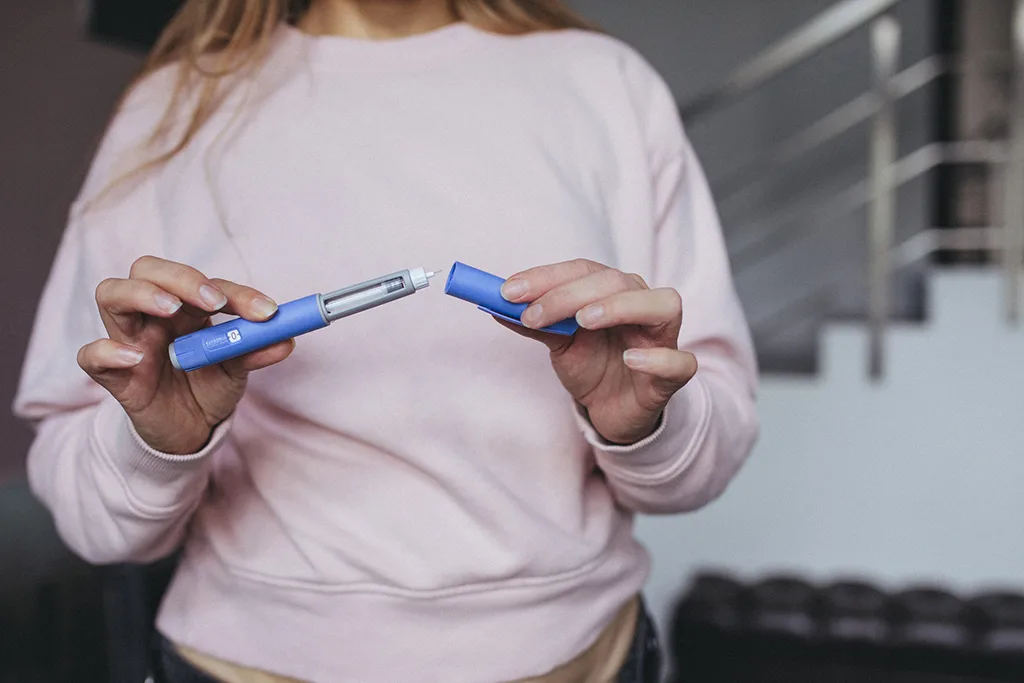
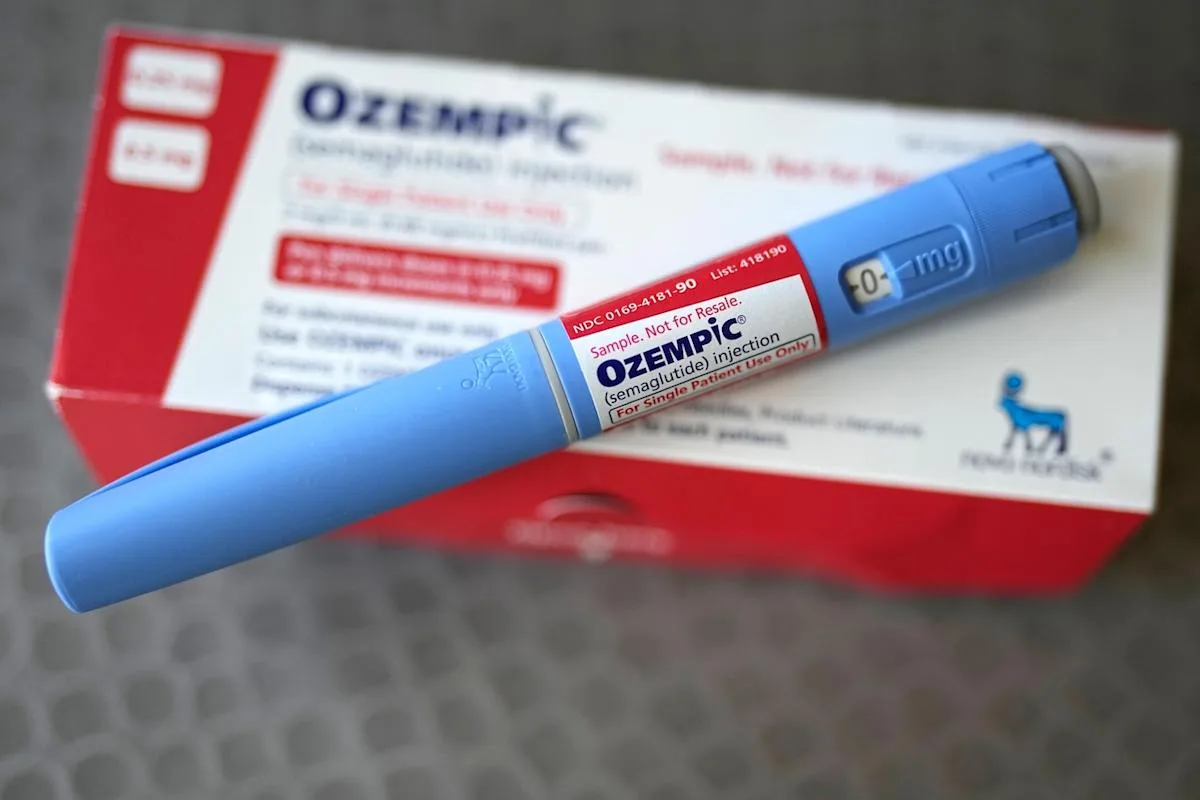
Numerous individuals have turned to GLP-1 medications, which are generic versions of popular weight loss treatments such as Ozempic and Zepbound, to kickstart their wellness paths.
However, for certain people, obtaining these medications might be prohibitively expensive. Luckily, budget-friendly alternatives exist for those unable to afford them. Diet and physical activity remain essential foundations. Additionally, certain natural supplements can support weight reduction efforts.
As a standard precaution, consult your doctor before starting any supplement.
Berberine: An Accessible Option
A widely available and inexpensive supplement demonstrating potential for aiding weight loss is berberine. Indeed, some refer to it as "nature's Ozempic," and with a one-month supply available for as low as $8 on Amazon, it could become a favored choice.
But does it truly fulfill the excitement? Is the comparison to Ozempic justified?
An article from the Mayo Clinic Press labels it a "promising supplement" while noting it's "not a miraculous weight-loss fix."
Disappointingly, it dismisses the "nature's Ozempic" label as "effective marketing," but clarifies it's "not always truthful or beneficial."
Unpacking the Facts
"When considering a 'natural' alternative to a prescription drug, it can seem very attractive," stated Tara A. Schmidt, a registered dietitian at the Mayo Clinic.
Schmidt cautioned that "even Ozempic isn't a miracle solution by itself."
Precision tracking for your journey
Join thousands using Shotlee to accurately track GLP-1 medications and side effects.
📱 Get the Shotlee App
Track your GLP-1 medications, peptides, and health metrics on the go with our mobile app!
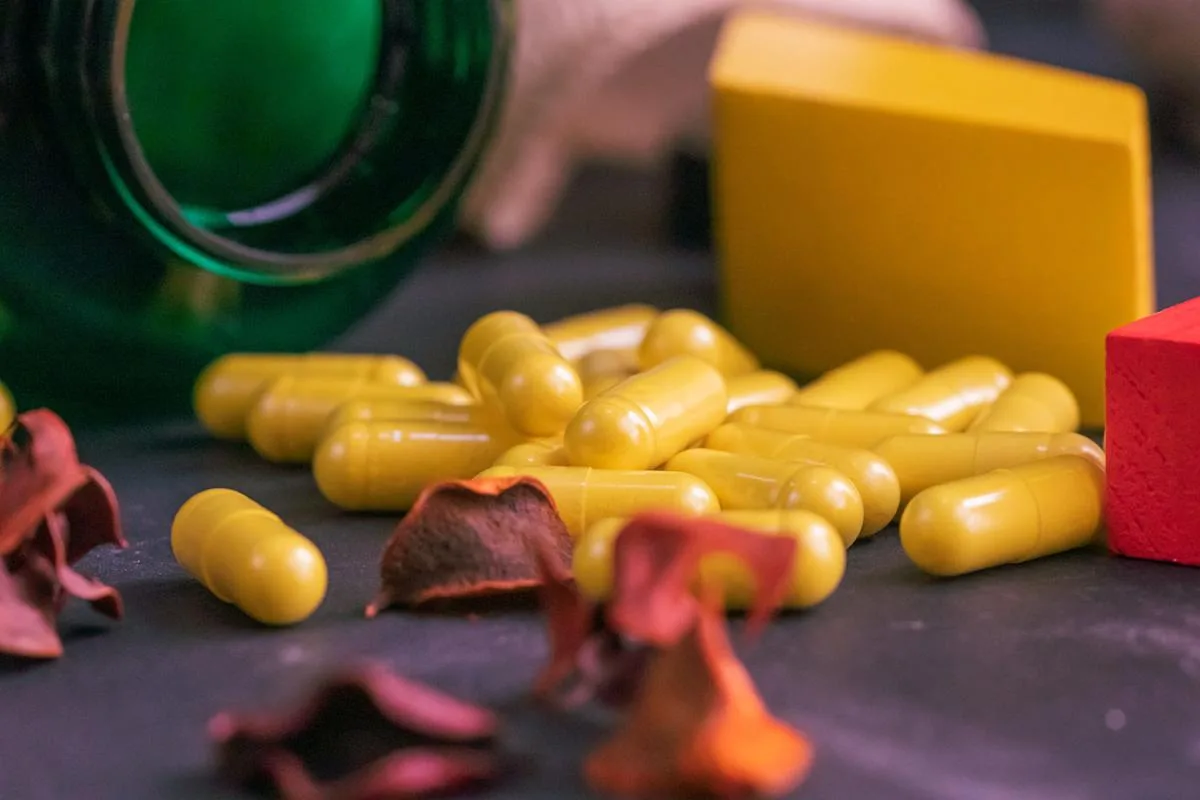
The Mayo Clinic describes berberine as an alkaloid present "in various plants such as barberry, goldenseal, Oregon grape, and coptis." It's commonly formulated into oral pills.
According to Schmidt, preliminary studies indicate berberine holds potential for reducing cholesterol and addressing diabetes and insulin insensitivity. The Mayo Clinic notes the supplement "may be safe in prescribed doses," with primary adverse reactions including nausea, constipation, diarrhea, bloating, and vomiting.
As per the Mayo Clinic, berberine possesses antimicrobial properties and "might modify the bacteria" in your digestive system. It is also "believed to function as an anti-inflammatory, antioxidant, and anti-cancer agent."
Its impact on insulin levels and gut microbes could account for possible weight-loss advantages, according to the site. Schmidt explained that improved blood sugar control might aid in appetite management.
The Cleveland Clinic similarly regards berberine as a "promising supplement" for shedding pounds.
"Berberine can assist with diabetes, hypertension, and lipid profiles," remarked Doctor Elizabeth Bradley via the Cleveland Clinic. "Pair it with lifestyle modifications, such as weight reduction, and it may positively influence those areas."
The Cleveland Clinic cautions against embracing the "nature's Ozempic" buzz but indicates the supplement might support weight loss and lower heart disease risk.
Is Berberine a Miracle Cure?
Ultimately, no supplement truly qualifies as such.
Nevertheless, based on insights from the Mayo Clinic and Cleveland Clinic, when consumed safely, it could serve as a cost-effective addition to your health toolkit. Health tracking apps like Shotlee can help monitor progress during your wellness journey.