
Natural Alternatives to Ozempic? 6 GLP-1 Rich Foods That Mimic the Effects
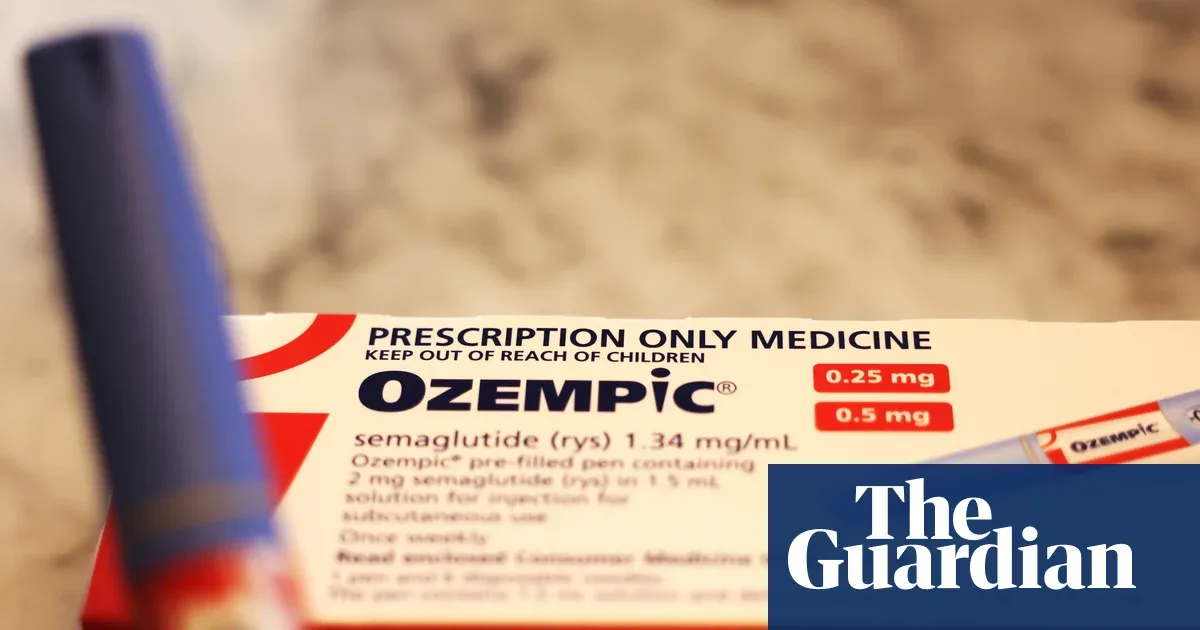
Weight loss drugs like Ozempic and Wegovy are popular due to their ability to artificially increase levels of glucagon-like peptide 1 (GLP-1), a natural hormone that fights obesity and diabetes. But is it possible to gain these benefits without costly injections? Absolutely. Studies indicate that certain "GLP-1 foods" can elevate the secretion of this hormone by as much as 900 percent. Moreover, many of these foods mirror GLP-1’s effects in various ways.
Kari Hamrick, PhD, RDN, a dietitian from Washington State specializing in women's health, states that natural foods are essential for hormone optimization. While prescription medications maintain GLP-1 levels higher for longer, she notes that natural foods significantly trigger GLP-1 benefits, such as improved insulin sensitivity, suppressed appetite, and stabilized blood sugar. These foods can be beneficial whether you've never used weight-loss shots or are trying to discontinue their use.
If you're curious about what to eat, you're in luck. A recent analysis examined numerous studies to identify the most effective GLP-1 foods, which help promote satiety and facilitate weight loss. Here’s a closer look at these foods.
Top 6 GLP-1 Foods to Naturally Reduce Hunger
Generally, diets high in fiber and protein stimulate GLP-1 secretion, which reduces hunger and enhances metabolic health, according to Hamrick. However, some foods stand out for their ability to regulate blood sugar and promote weight loss.
Whey Protein Powder and Ricotta Cheese
Evidence suggests that certain foods can boost GLP-1 by up to 900 percent, as noted in the European Journal of Nutrition. The research highlights the effect when whey protein is consumed with calcium. Whey, a milk protein largely removed from cottage cheese and yogurt, is found in whey protein powder. Creamy ricotta, particularly Italian-style, contains about 10 to 15 grams of whey per cup.
For a convenient option, try a shake made with whey protein powder and milk (for calcium). To reduce sugar and increase nutrient intake, sweeten it primarily with berries. Health tracking apps like Shotlee can help monitor your protein and calcium intake alongside other vital nutrients to achieve a balanced diet.
Beyond increased GLP-1 levels, whey protein helps preserve lean muscle mass, crucial during weight loss, explains Lainey Younkin, MS, RD, LDN, a weight-loss specialist based in Boston. A study from the University of Arkansas indicated that regular whey doses in sedentary seniors doubled fat burn and offered workout-like benefits for those with mobility issues. Younkin adds that more muscle mass increases calorie burn at rest.
Bean and Barley Soup
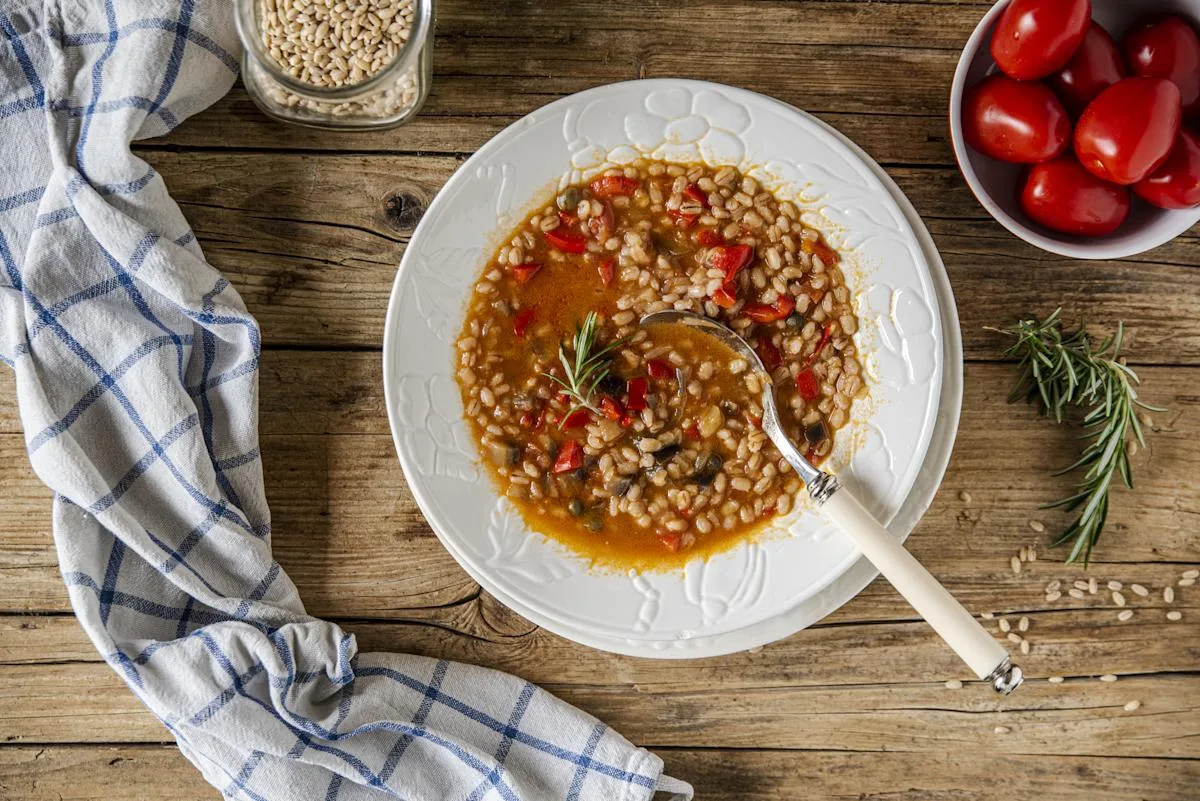
For those who enjoy soup, a bowl that boosts GLP-1 production is a great choice. Beans and barley digest slowly, allowing them to remain in contact with gut cells that produce GLP-1 for an extended period. Additionally, their fiber is difficult to break down, reaching the large intestine where gut bacteria feed on it, producing short-chain fatty acids, which also stimulate GLP-1, Younkin notes.
Short-chain fatty acids are also associated with improved blood sugar levels and reduced hunger. A University of Toronto study demonstrated that adults who added a serving of beans to each meal, without any other dietary changes, lost as much weight as those who actively reduced their calorie intake but did not consume beans.
Whole Wheat Bread
If you are a fan of bread and pasta, there’s good news from University of Toronto researchers. Research published in The British Journal of Nutrition found that adults at risk of diabetes who increased their wheat fiber intake saw their gut bacteria adapt to the extra fiber, leading to increased natural GLP-1 production.
Precision tracking for your journey
Join thousands using Shotlee to accurately track GLP-1 medications and side effects.
📱 Get the Shotlee App
Track your GLP-1 medications, peptides, and health metrics on the go with our mobile app!
While increasing whole wheat intake might not be as effective as consuming more beans, it is significantly better than eating refined grains. According to findings in the journal Gut, when 60 overweight individuals consumed only whole grains for eight weeks, they lost about four pounds and experienced significantly reduced inflammation, even while eating as many carbs as they desired.
Onions and Garlic
Similar to the fiber in beans, barley, and whole wheat, any food rich in prebiotic fiber that nourishes beneficial gut bacteria can boost GLP-1. Animal studies suggest that prebiotic-rich foods can triple GLP-1 levels and double the number of GLP-1 expressing cells in the colon. Onions and garlic are highlighted because they are also rich in the antioxidant quercetin, which has been shown to increase GLP-1 secretion.
For milder alternatives, consider foods rich in fiber and resveratrol, which also boosts GLP-1, such as berries and nuts.
Hamrick advises her patients to consume a daily variety of fruits and vegetables, referring to them as GLP-1 factories with prebiotic fibers and powerful antioxidant compounds. Consuming at least five servings of fruits and vegetables, like berries, peppers, tomatoes, spinach, broccoli, apples, onions, and garlic, helps to fuel Akkermansia muciniphila, a key gut bacteria strain responsible for stimulating GLP-1 production.
Olive Oil, Avocado, and Macadamias
A study in the journal Endocrinology revealed that monounsaturated fatty acids (MUFAs) improve blood sugar management by stimulating GLP-1 release. MUFAs bind to cells that produce GLP-1, enhancing their ability to recognize when the hormone is needed.
Olive oil, avocado, and macadamias consist of about 70 to 80 percent MUFAs. Most nuts also provide significant amounts. In addition to triggering GLP-1, healthy fats delay stomach emptying more than other foods, according to Younkin. This delayed emptying is a key mechanism by which GLP-1 medications function.
While high in calories, these foods can significantly contribute to weight and health goals, especially when used as replacements for refined fats in processed and fast foods.
Green Tea
Though not a food, green tea deserves mention. It contains epigallocatechin gallate (EGCG), a potent antioxidant that can naturally boost GLP-1, says Younkin. EGCG and other polyphenol antioxidants in green tea feed Akkermansia muciniphilia, which in turn stimulates the release of our own GLP-1, according to Ashley Koff, RD, author of Your Best Shot: The Personalized System for Optimal Weight Health -- GLP-1 Shot or Not.
These green tea compounds also suppress appetite and temporarily increase overall fat burn by up to 35 percent. A Tufts University study found that antioxidants in four daily cups of green tea can ignite belly fat, helping burn more fat around the midsection compared to drinking diet soft drinks. Hamrick recommends two to three cups of green tea daily.
How Many Servings of GLP-1 Foods Should You Consume?
Hamrick suggests aiming for five servings of colorful produce daily. Ensure you also consume quality lean protein, fiber, and healthy fats at most meals. Your body should naturally respond by reducing hunger and cravings, leading to a healthier weight.