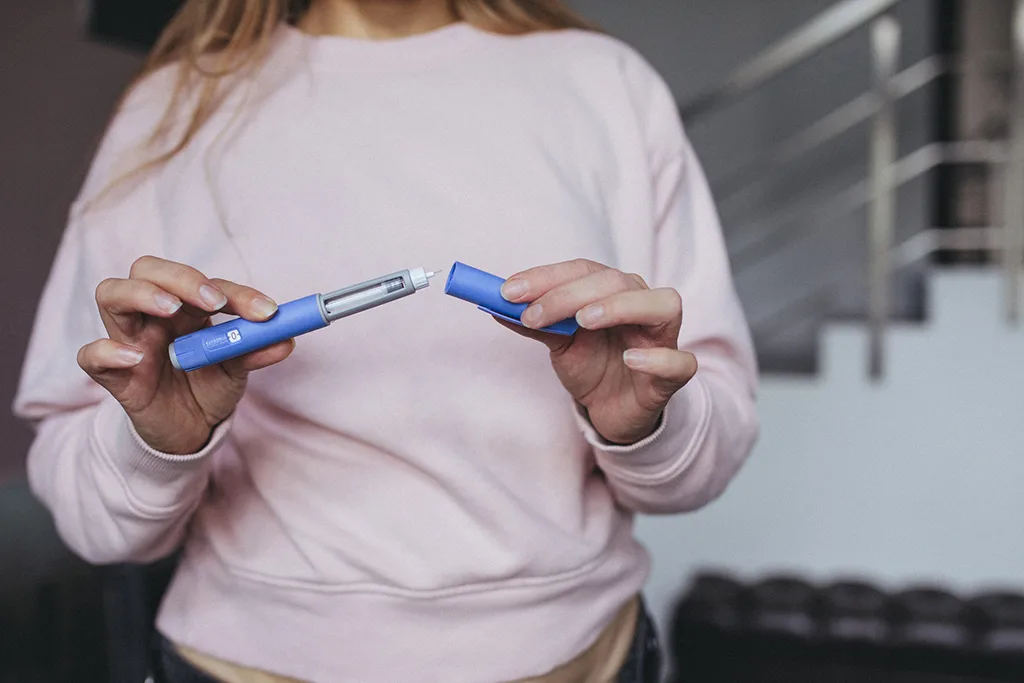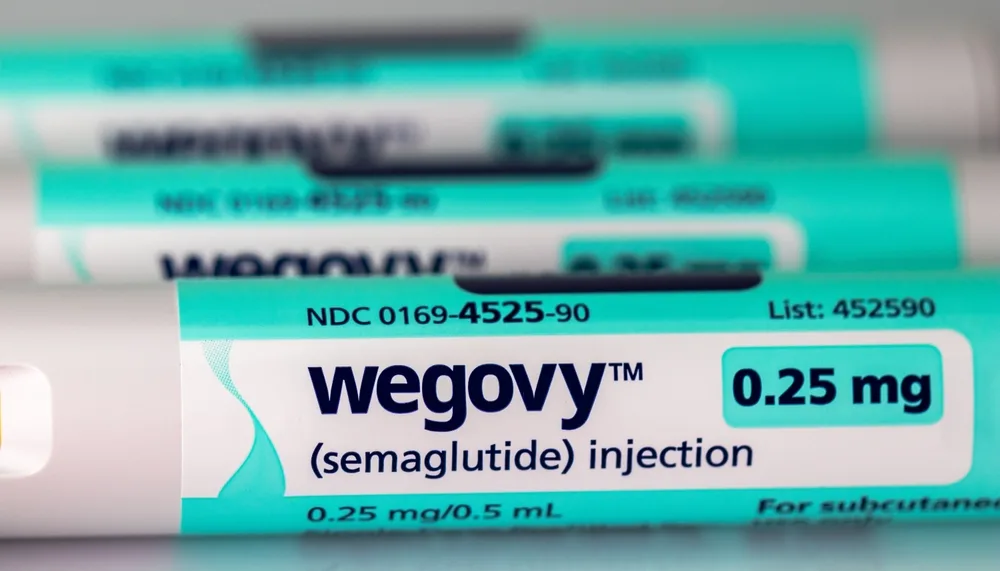

A mysterious symptom is emerging among some users of GLP-1 medications: a flat affect characterized by diminished motivation and excitement for everyday rewards. This isn't full-blown depression but subtle apathy, with patients questioning the value of job promotions or social outings. As GLP-1 agonists like semaglutide (Ozempic, Wegovy) and tirzepatide (Mounjaro, Zepbound) gain popularity for weight loss and diabetes management, reports like these raise important questions about their psychological effects.
What Is This Mysterious Flat Affect Symptom in GLP-1 Users?
Flat affect refers to a reduced range of emotional expression and motivation, distinct from clinical depression. Patients describe feeling emotionally numb toward previously motivating activities. For instance, one might say, "Well, what's the point?" about career advancements, "Maybe I don't even care about that job promotion," or "I don't know what it is, but I'm not even excited to go out with my friends."
This symptom has been popping up in clinical conversations, particularly among those on GLP-1 receptor agonists. While gastrointestinal side effects like nausea dominate discussions, these psychological nuances are gaining attention as more patients achieve long-term use.
Why It Matters for GLP-1 Therapy
GLP-1 medications mimic glucagon-like peptide-1, a hormone that regulates blood sugar, slows gastric emptying, and signals fullness to the brain. Their success in metabolic health is clear, but their influence on brain reward pathways could explain motivation dips. Understanding this helps patients and providers weigh benefits against potential quality-of-life impacts.
A Doctor's Firsthand Observation of Flat Affect in GLP-1 Patients
"When did you first start noticing people having a psychological reaction to GLP-1s? I first started looking into this about a year ago. It was kind of the same conversation with three different patients in the same week, and I started noticing they all had this flat affect. None of them were depressed, but each was saying things like, 'Well, what's the point?' 'Maybe I don't even care about that job promotion.' 'I don't know what it is, but I'm not even excited to go out with my friends.' And these three in particular had been on GLP-1s. And of course, you can't make an inference based on three people, but it is what motivated me to start looking into more of the psychological effects, particularly around what we do and do not know about how GLP-1s affect dopamine and motivation-seeking behavior."
This clinician's experience, shared about a year ago, highlights a pattern too consistent to ignore. Though anecdotal, it underscores the need for vigilance in monitoring mental health during GLP-1 treatment.
How GLP-1 Medications May Influence Dopamine and Motivation
GLP-1 receptors exist throughout the brain, including areas tied to reward and motivation like the nucleus accumbens and ventral tegmental area. Dopamine, the neurotransmitter central to pleasure and drive, interacts with these pathways. GLP-1 agonists may modulate dopamine signaling, potentially blunting reward responses.
In metabolic contexts, this mechanism aids weight loss by curbing food cravings. However, it might extend to non-food rewards, leading to reduced enthusiasm for goals or social interactions. Emerging research explores these links, though clinical data remains preliminary.
Precision tracking for your journey
Join thousands using Shotlee to accurately track GLP-1 medications and side effects.
📱 Get the Shotlee App
Track your GLP-1 medications, peptides, and health metrics on the go with our mobile app!
GLP-1 Basics: From Diabetes to Weight Loss and Beyond
- Semaglutide (Ozempic, Wegovy): Weekly injection for type 2 diabetes and obesity; mimics GLP-1 to enhance insulin secretion and appetite control.
- Tirzepatide (Mounjaro, Zepbound): Dual GLP-1/GIP agonist; shows superior weight loss in trials.
- Others: Liraglutide (Saxenda), dulaglutide (Trulicity).
These drugs transform metabolic health but require holistic monitoring, including psychological well-being.
Comparing Psychological Effects to Other Weight Loss Treatments
Unlike stimulants like phentermine, which boost dopamine and risk addiction, GLP-1s offer sustained effects without euphoria. Bariatric surgery patients sometimes report similar 'food noise' reduction spilling into other motivations. Traditional antidepressants target dopamine differently, often increasing it, contrasting GLP-1s' potential dampening.
For peptide therapy users, this flat affect differentiates GLP-1s from pure growth hormone peptides, emphasizing the need for tailored protocols.
Safety Considerations and Common Side Effects of GLP-1s
While effective, GLP-1s carry risks: nausea (up to 44% in trials), vomiting, diarrhea, and rare pancreatitis. Psychological effects like flat affect appear subtler, warranting attention in long-term users. No causal link is established, but symptoms resolve upon discontinuation in some cases.
Who Might Experience This Symptom?
- Long-term users (beyond 6 months).
- Those with prior mood vulnerabilities.
- Higher doses for weight loss vs. diabetes.
Track changes with tools like Shotlee to log mood, energy, and medication adherence for doctor discussions.
Practical Guidance for GLP-1 Users Experiencing Flat Affect
What to Discuss with Your Doctor
- Report apathy or motivation loss promptly.
- Consider dose adjustments or GLP-1 alternatives.
- Screen for thyroid issues or nutrient deficiencies mimicking symptoms.
Lifestyle Strategies to Counteract
- Exercise: Boosts natural dopamine via endorphins.
- Social Engagement: Schedule rewarding activities despite low drive.
- Nutrition: Tyrosine-rich foods (eggs, cheese) support dopamine synthesis.
- Sleep and Stress Management: Foundational for motivation.
Integrate apps like Shotlee for symptom journaling to identify patterns early.
Key Takeaways: What This Means for GLP-1 Patients
- The flat affect symptom in some GLP-1 users, marked by apathy toward promotions and friends, was first noted by a doctor in three patients one week.
- This prompted exploration of GLP-1s' effects on dopamine and motivation-seeking behavior.
- Monitor psychological changes; benefits often outweigh risks, but personalized care is key.
- Consult providers before changes; emerging insights could refine GLP-1 therapy.
Conclusion: Staying Informed on GLP-1 Psychological Effects
The mysterious flat affect in GLP-1 users highlights the drugs' broad brain impacts. Preserving metabolic gains while safeguarding mental health requires awareness and communication. Patients should view this as part of comprehensive care, discussing symptoms openly for optimal outcomes. Stay tuned for evolving research on GLP-1s, dopamine, and long-term well-being.