
The GLP-1 Revolution Meets Pricing Hurdles: Mounjaro and the PBS Standoff
The advent of GLP-1 receptor agonists, and newer dual agonists like tirzepatide, has fundamentally changed the landscape of managing type 2 diabetes and obesity. Medications such as Ozempic (semaglutide) and Mounjaro (tirzepatide) offer unprecedented efficacy in blood sugar control and significant weight loss potential. However, access to these breakthrough therapies often hinges on complex governmental negotiations regarding subsidy programs.
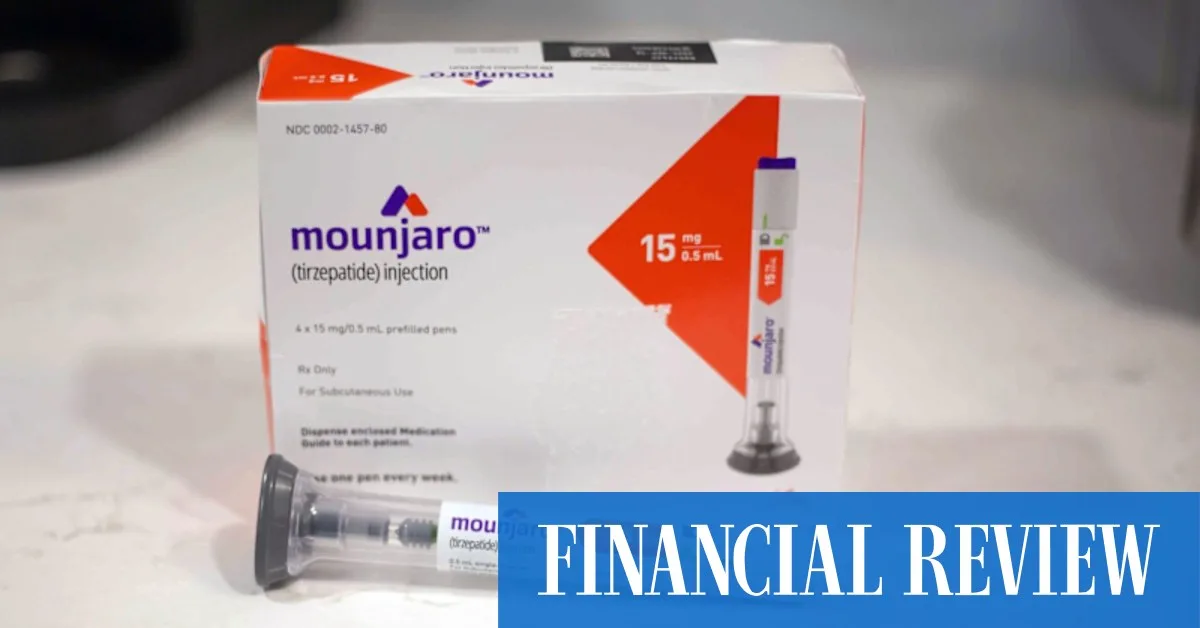
In a recent development, pharmaceutical giant Eli Lilly has made the surprising decision to refuse the listing of Mounjaro (tirzepatide) on Australia’s Pharmaceutical Benefits Scheme (PBS). While the regulator had recommended listing the drug, which is approved for type 2 diabetes management, Lilly stated that the Australian government’s proposed pricing was not deemed a ‘fair price’ for the innovation provided by the medication.
This standoff between a major drug manufacturer and the government body overseeing medicine subsidization—the Pharmaceutical Benefits Scheme Advisory Committee—highlights the ongoing tension between pharmaceutical innovation costs and public healthcare budgets. For patients relying on these cutting-edge peptide therapies, this decision directly impacts affordability and accessibility.
Mounjaro: A Dual-Action Breakthrough
To understand the significance of this pricing dispute, it is essential to recognize what Mounjaro offers. Unlike earlier GLP-1 medications, Mounjaro (tirzepatide) acts as a dual agonist, targeting both the GLP-1 and GIP (Glucose-dependent Insulinotropic Polypeptide) receptors.
Why Tirzepatide Stands Out
Clinical trials have consistently demonstrated that tirzepatide offers superior efficacy compared to GLP-1 monotherapy for many patients. This dual mechanism leads to robust improvements in HbA1c levels and often results in greater body weight reduction. This effectiveness is why demand for tirzepatide, both for its approved indication (diabetes) and its emerging use in weight management (under brand names like Zepbound in other markets), is skyrocketing globally.
The perceived value of Mounjaro is high, which naturally leads to high initial price expectations from the manufacturer. The PBS, however, operates under strict budgetary constraints, aiming to provide cost-effective access to essential medicines for all eligible Australians. When the manufacturer’s expected price floor does not meet the government’s valuation ceiling, negotiations stall.
The Mechanics of PBS Pricing Disputes
The PBS listing process is rigorous and involves several key steps, placing immense pressure on the final negotiated price. The Pharmaceutical Benefits Advisory Committee (PBAC) assesses the clinical effectiveness and cost-effectiveness of a drug compared to existing treatments.
Key Factors in Negotiation
- Clinical Superiority: How much better is the new drug (like tirzepatide) than the current standard of care (e.g., older insulins or existing GLP-1s)?
- Health Economic Data: The submission must justify the cost based on long-term health outcomes, such as reduced hospitalizations due to fewer cardiovascular events or kidney complications.
- Budgetary Impact: The projected cost to the government if the drug were prescribed to the entire eligible population.
Eli Lilly's decision to refuse the listing suggests a significant gap between the price they believe reflects the drug’s market value and the price the Australian government is willing to commit to subsidize. This is not uncommon; pricing disputes have historically complicated the rollout of many high-cost, high-impact medications, including other injectable peptide therapies.
Implications for Patients and Healthcare Tracking
The immediate consequence of this refusal is that Mounjaro remains unavailable through the subsidized PBS pathway for diabetes patients. Without subsidy, the cost of the medication falls entirely to the patient or private insurance, which may not cover it adequately.
Precision tracking for your journey
Join thousands using Shotlee to accurately track GLP-1 medications and side effects.
📱 Get the Shotlee App
Track your GLP-1 medications, peptides, and health metrics on the go with our mobile app!
For individuals managing type 2 diabetes, this means:
- Continued Reliance on Alternatives: Patients must rely on older, potentially less effective treatments, or seek out other GLP-1s that are already listed (like Ozempic/Wegovy, depending on local availability and indication).
- High Out-of-Pocket Costs: Those who wish to access Mounjaro must do so via private prescription, potentially incurring thousands of dollars annually, making it inaccessible for many.
- Delayed Standards of Care: The delay in access means that the latest standard of care, proven effective in global trials, is not readily available to the general population.
For those using these advanced medications, meticulous health tracking becomes even more critical. Whether managing blood glucose levels, monitoring weight loss progress, or logging side effects associated with dose titration, tools like the Shotlee app can help patients and their clinicians document treatment efficacy and adherence, providing valuable real-world data that might influence future pricing negotiations or treatment decisions.
Comparison with Other GLP-1/GIP Therapies
The market for these powerful metabolic drugs is highly competitive. The absence of Mounjaro on the PBS forces a comparison with its closest competitors, particularly semaglutide (Ozempic/Wegovy).
| Medication | Active Ingredient | Mechanism | PBS Status (General) |
|---|---|---|---|
| Mounjaro | Tirzepatide | GLP-1 + GIP Agonist | Not listed (Refused by Lilly) |
| Ozempic | Semaglutide | GLP-1 Agonist | Listed for Type 2 Diabetes |
| Wegovy | Semaglutide | GLP-1 Agonist | Listed for Weight Management (Specific Criteria) |
This table clearly illustrates the current access disparity. While semaglutide products are accessible under specific conditions, the dual-action power of tirzepatide remains locked behind private pricing barriers in this jurisdiction.
The Broader Context: US-Australia Drug Pricing Tensions
This dispute is not isolated. It is framed within a long-standing, complex relationship between the US pharmaceutical industry and Australian drug pricing authorities. Historically, US companies often argue that local pricing schemes do not adequately reflect the global investment in research and development, especially when the drug is highly successful internationally.
The standoff reflects a broader, years-long negotiation dynamic where manufacturers seek maximum return on novel therapies, while public funders prioritize population-wide affordability and budgetary sustainability.
For the industry, listing on the PBS provides massive volume, but it locks in a lower price point. For Eli Lilly, refusing the listing signals a strong commitment to maintaining a higher price expectation, potentially betting on future negotiations or anticipating a market where private prescribing volume alone can sustain the drug’s presence.
Practical Takeaways for Patients
If you are a patient interested in Mounjaro or are currently using it privately:
- Stay Informed: Keep monitoring official announcements regarding PBS negotiations. These talks can resume at any time.
- Discuss Alternatives: Talk openly with your endocrinologist or primary care physician about whether existing, PBS-listed GLP-1s (like Ozempic) can meet your therapeutic goals in the interim.
- Document Everything: If you are on an expensive private script, meticulously track your outcomes. Detailed records of efficacy and side effects are vital for future discussions with your provider or insurer.
Conclusion
The refusal by Eli Lilly to list Mounjaro on the PBS due to pricing disagreements presents a significant current hurdle for Australian patients seeking access to one of the most advanced treatments available for type 2 diabetes. While the science behind tirzepatide is compelling, its widespread accessibility depends entirely on bridging the gap between pharmaceutical valuation and public health budgeting. Until a mutually acceptable price is reached, patients will continue to navigate complex access routes, underscoring the importance of diligent health tracking to ensure optimal management regardless of the medication used.