
Introduction
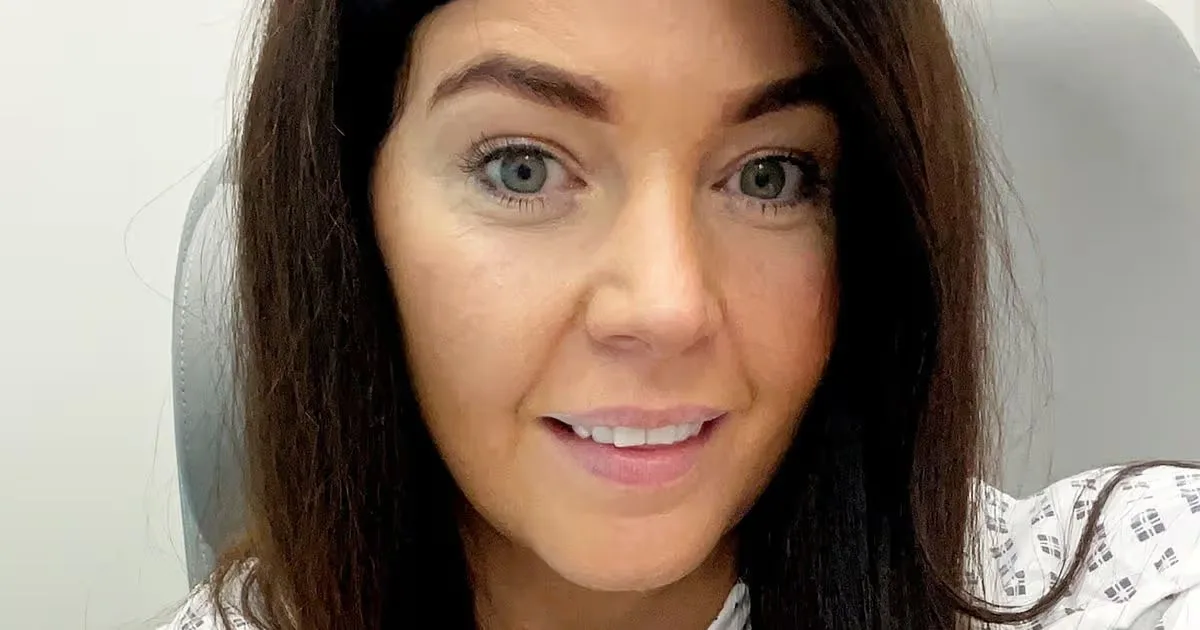
GLP-1 and GIP agonist medications like Mounjaro (tirzepatide) have revolutionized weight management, helping thousands shed significant weight. But as prescriptions soar, so do reports of gallbladder complications. Emma McDonald, a 38-year-old mum from Stoke-on-Trent, dropped from 21 stone to 12st 9lbs on Mounjaro—yet her journey included emergency surgery to remove a 'rotting' gallbladder. Her case underscores a 15% rise in UK gallbladder removals, prompting experts to investigate links to these drugs. This guide dives into the mechanisms, evidence, risks, and strategies for safe use.
What is Mounjaro and How Does It Drive Weight Loss?
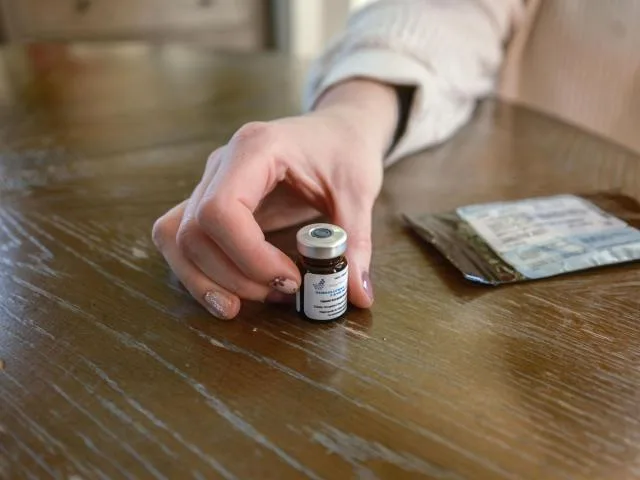
Mounjaro, or tirzepatide, is a dual agonist mimicking GLP-1 (glucagon-like peptide-1) and GIP (glucose-dependent insulinotropic polypeptide) hormones. Administered weekly via injection, it starts at 2.5mg, titrating up to 15mg. It curbs appetite, slows gastric emptying, and enhances insulin sensitivity—leading to 15-20% body weight loss in trials like SURMOUNT-1.
For patients like Emma, with PCOS and post-partum weight gain, it restored menstrual cycles within weeks and transformed eating habits. No longer a 'grazer' reliant on crisps and takeaways, she achieved sustainable loss. Yet, rapid fat reduction—over 1-2kg weekly—can trigger unintended effects, including gallbladder issues.
The Gallbladder-GLP-1 Link: Understanding Gallstone Formation
Why Rapid Weight Loss Causes Gallstones
Gallstones (cholelithiasis) form when bile—a digestive fluid produced by the liver—becomes imbalanced. During swift weight loss, the body mobilizes fat stores, flooding bile with cholesterol while reducing gallbladder contractions (due to slowed digestion from GLP-1s). This creates supersaturated bile and stasis, fostering stones.
Emma's 'substantial' gallstone blocked her bile duct, causing cholecystitis—inflammation that progressed to tissue death ('rotting'). Untreated, it risks sepsis, gangrene, or perforation. Women face 2-3x higher odds, per NIH data, exacerbated by hormones, pregnancy, and PCOS.
Clinical Evidence on Tirzepatide and Gallbladder Risks
In SURMOUNT trials, gallbladder-related events occurred in 0.6-1.9% of tirzepatide users vs. 0.5% placebo—mildly elevated but dose-dependent. Pooled GLP-1 data (e.g., semaglutide in STEP trials) shows 1-2% incidence. Real-world UK NHS stats reveal 80,196 cholecystectomies in 2024-25, up 15% from 69,745 prior—a peak over a decade. Experts, via BBC reports, attribute this partly to weight loss jabs, as gallstones are a known adverse event. Long-term studies are ongoing, but mechanisms align with historical very-low-calorie diets (VLCDs), where risks hit 10-25%.
Key Stat: Gallbladder disorders are listed in Mounjaro's label as common (>1/100), urging monitoring for abdominal pain.
Emma's Story: A Cautionary Yet Empowering Journey
Post-2021 childbirth, Emma ballooned to 21st (size 24) amid PCOS-driven insulin resistance and constant snacking. GP-prescribed 2.5mg Mounjaro in June 2024 sparked 2st loss by August—but rib 'stinging' escalated to excruciating pain. A&E ultrasound confirmed cholecystitis; October's cholecystectomy revealed necrosis, with surgeons noting Mounjaro as an exacerbating factor.
Precision tracking for your journey
Join thousands using Shotlee to accurately track GLP-1 medications and side effects.
📱 Get the Shotlee App
Track your GLP-1 medications, peptides, and health metrics on the go with our mobile app!
Recovery involved four abdominal incisions and digestion challenges (e.g., meat intolerance). Now at 7.5mg, she's size 12 with no regrets: 'Mounjaro was my last resort... I'm much healthier.' Her wake-up call? Ill-fitting clothes. She urges awareness, especially for women.
Risk Factors for Gallbladder Problems on Mounjaro
- Female sex & hormones: Estrogen boosts cholesterol in bile; pregnancy/PCOS amplify.
- Rapid loss: >1.5kg/week heightens odds.
- Pre-existing conditions: Obesity, diabetes, or prior stones.
- Dose escalation: Emma's 7.5mg jump coincided with symptoms.
PCOS patients like Emma are prone: insulin resistance promotes stone formation.
Prevention and Management Strategies
Monitoring Symptoms Early
Watch for right-upper quadrant pain, nausea post-fatty meals, or indigestion—Emma mistook hers for trapped wind. Use apps like Shotlee to track symptoms, side effects, and nutrition alongside doses, spotting patterns early.
Lifestyle Mitigation
- Gradual titration per prescribing info.
- High-fiber diet (25-30g/day) to bind bile acids.
- Stay hydrated; avoid VLCDs.
- Exercise moderately to maintain gallbladder motility.
Ursodeoxycholic acid (UDCA) prophylaxis is studied for high-risk GLP-1 users, reducing stones by 30-70% in trials.
Surgery and Post-Cholecystectomy Life
Cholecystectomy is laparoscopic (minimally invasive), with 1-2 day hospital stays. Most thrive without a gallbladder—liver adapts bile production. Emma struggles with meats but transitions well. Long-term: 10-15% risk diarrhea; manage via low-fat meals.
Balancing Benefits: Is Mounjaro Worth the Risk?
For obesity-related comorbidities, benefits often outweigh risks. Emma's PCOS improved, weight normalized, and health transformed. Yet, individualized assessment is key—discuss family history and ultrasound screening pre-start.
Conclusion
Emma's 8st triumph on Mounjaro amid gallbladder removal spotlights the double-edged sword of GLP-1 therapies: profound weight loss versus cholelithiasis risks from rapid change. With NHS surgeries surging and evidence mounting, proactive monitoring via tools like Shotlee, symptom vigilance, and lifestyle tweaks are essential. Consult your clinician for personalized risk-benefit analysis—empowering informed choices for metabolic health.