
Understanding the Medicare GLP-1 Coverage Shift
In a significant policy reversal, the federal government has announced it will continue to fund coverage for GLP-1 weight-loss medications through the end of 2027. This decision replaces a previous plan that would have shifted the financial burden of these popular drugs onto private Medicare insurance providers starting in January.
Why This Matters for Metabolic Health
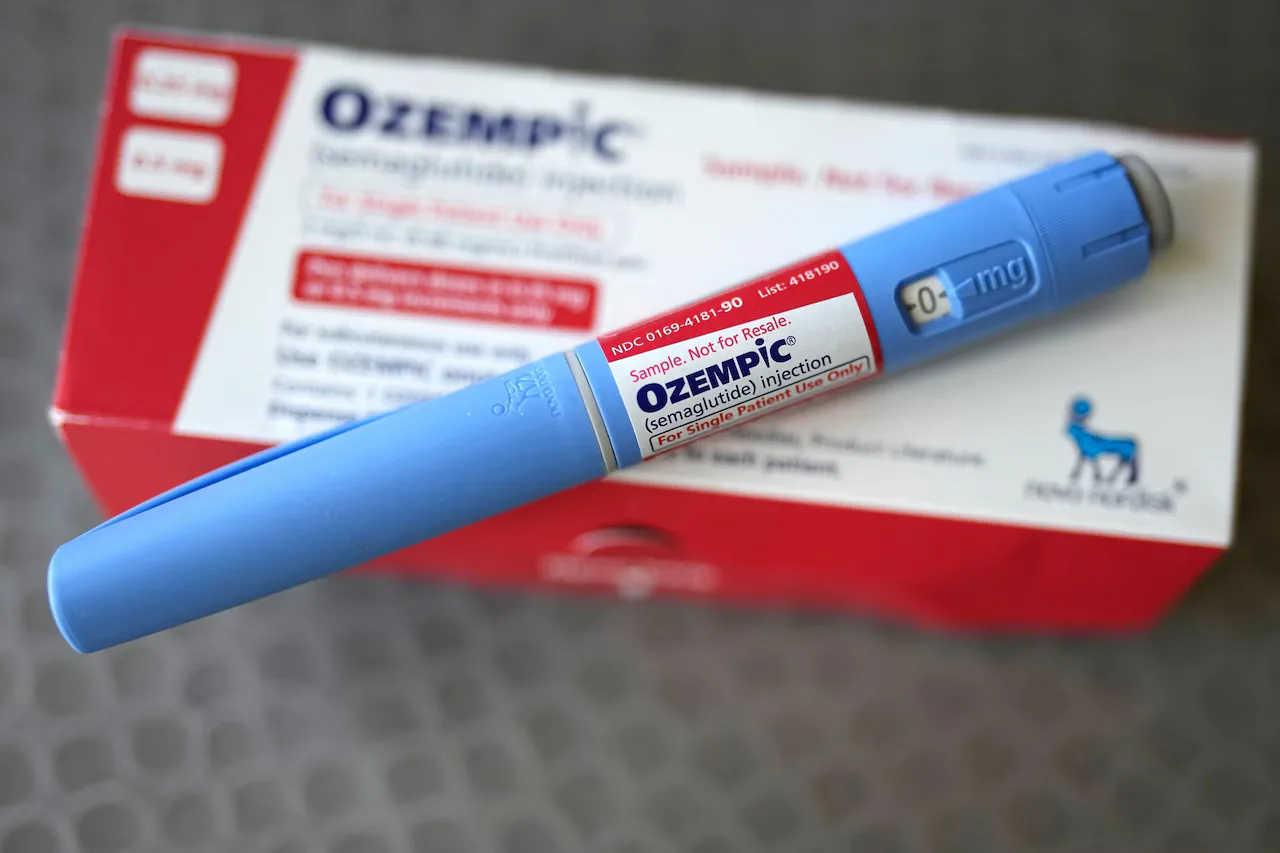
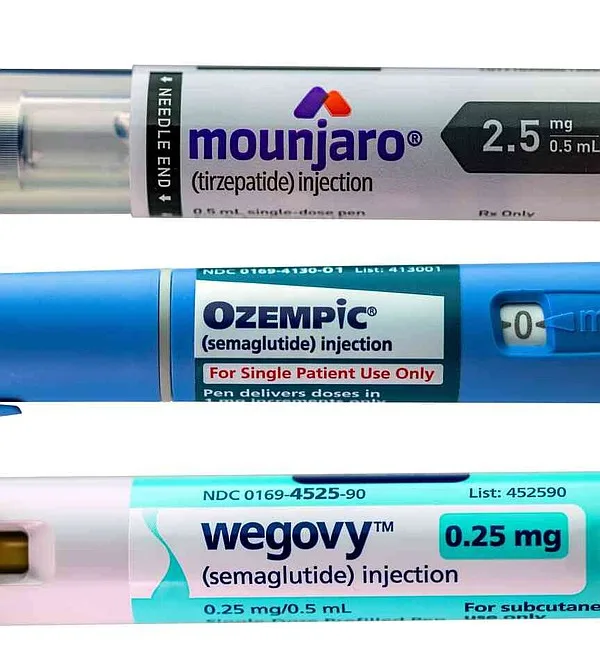
GLP-1 receptor agonists, such as Ozempic and Wegovy, have revolutionized the management of metabolic health. By mimicking hormones that regulate appetite and blood sugar, these medications assist in weight management and the reduction of cardiovascular risks. For the aging population, these therapies are not just about weight loss; they are critical tools for managing chronic conditions like type 2 diabetes and heart disease.
The Mechanism: How GLP-1s Work
GLP-1 (glucagon-like peptide-1) medications work by binding to receptors in the brain and gut. They slow gastric emptying, which increases satiety, and stimulate insulin secretion while suppressing glucagon. This dual action helps patients maintain a caloric deficit while stabilizing glucose levels, which is vital for patients with metabolic syndrome.
Precision tracking for your journey
Join thousands using Shotlee to accurately track GLP-1 medications and side effects.
📱 Get the Shotlee App
Track your GLP-1 medications, peptides, and health metrics on the go with our mobile app!
The Policy Landscape: From Private Insurers to Federal Funding
The Trump administration’s initial proposal would have required private insurers to cover these medications. However, industry leaders, including UnitedHealth Group and CVS Health (Aetna), expressed significant concerns regarding the financial sustainability of this model. Industry analysts warned that forcing insurers to absorb these costs could have led to a dramatic spike in Medicare prescription drug premiums for seniors.
By opting to fund the program directly through 2027, the government aims to:
- Protect Seniors: Prevent sudden increases in monthly insurance premiums.
- Collect Data: Allow more time to analyze patient outcomes and usage patterns.
- Ensure Stability: Maintain access to drugs from manufacturers like Eli Lilly and Novo Nordisk without disrupting the insurance market.
What This Means for Patients
If you are a Medicare beneficiary, this extension provides a clearer path to access these life-changing therapies. While Medicare is legally restricted from covering weight-loss drugs for obesity alone, many seniors already qualify for coverage if the medication is prescribed to treat comorbid conditions such as heart disease or sleep apnea.
Key Takeaways for Patients
- Consult Your Physician: Discuss whether your specific health profile—including heart health or metabolic markers—qualifies you for GLP-1 therapy under current guidelines.
- Monitor Policy Updates: While coverage is secured through 2027, always check with your specific plan provider regarding formulary changes.
- Advocacy: Stay informed about how federal policy impacts your out-of-pocket costs.