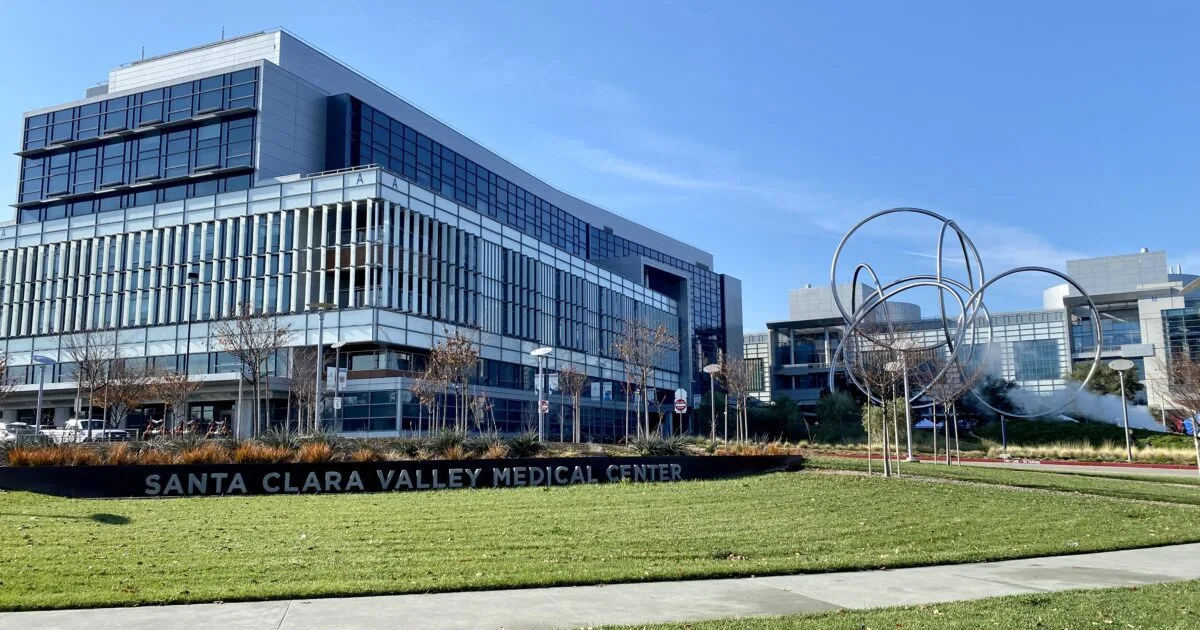

Medi-Cal cuts Silicon Valley immigrants are facing unprecedented challenges as federal budget reductions threaten the region's healthcare safety net. Driven by H.R. 1, these cuts are slashing Medicaid funding—known as Medi-Cal in California—by $1 trillion over the next decade. This has led to lower reimbursement rates for providers, service delays, medication restrictions, and widespread uncertainty, with immigrants bearing the brunt.
Background on Medi-Cal and Federal Cuts
Medi-Cal, California's Medicaid program, expanded in 2024 to cover all low-income residents, including undocumented individuals. However, at the beginning of the year, the state halted new enrollments for undocumented people. Other changes, including limits on reimbursements for specific medications such as GLP-1 weight loss drugs, have taken effect. GLP-1 agonists like semaglutide (found in drugs such as Ozempic) are increasingly prescribed for weight management and metabolic conditions, but these reimbursement caps mean fewer patients can access them through Medi-Cal.
H.R. 1, the federal legislation responsible, undercuts access for the poorest residents by reducing provider payments. In Silicon Valley's Santa Clara County, this translates to a projected $470 million deficit in the upcoming fiscal year. Hospitals are furloughing dozens of nurses, causing staffing shortages that ripple through clinics and emergency rooms.
Why These Cuts Matter for Public Health
Medi-Cal serves as a lifeline for low-income families, covering essential services from preventive care to chronic disease management. Reductions exacerbate existing pressures on the system, risking clinic closures and overwhelming emergency departments. For immigrants, who often face language barriers and fear of deportation, these changes compound vulnerabilities, leading to delayed diagnoses and unmanaged conditions.
Real Impacts on Immigrant Patients
Immigrants report delays in services, medication cuts, navigation difficulties, and fears of federal information sharing, prompting some to drop coverage entirely. Many now turn to mobile clinics, nonprofits, county programs, alternative medicine, dietary changes, or even cross-border care in Mexico.
A Patient's Story: Navigating Cancer Screening Amid Uncertainty
One immigrant, speaking anonymously due to immigration enforcement fears, needed a biopsy for potential bladder cancer at Valley Medical Center. Transferred to O'Connor Hospital due to no availability, the procedure was canceled twice—doctors cited concerns over her epilepsy and uncertain Medi-Cal coverage for seizure-related complications if triggered.
Returned to Valley Medical Center, she underwent the biopsy and awaits results. If cancer is confirmed, she fears Medi-Cal won't cover extensive treatments or medications. "This has me feeling worried and frightened," she said through a translator.
Her medications have also suffered: epilepsy treatment reduced from three drugs to one (currently controlling seizures), and migraine coverage limited from a 30-day supply to 20 pills monthly—a full supply costs $725, unaffordable without insurance.
Precision tracking for your journey
Join thousands using Shotlee to accurately track GLP-1 medications and side effects.
📱 Get the Shotlee App
Track your GLP-1 medications, peptides, and health metrics on the go with our mobile app!
Expert Perspectives: Voices from the Frontlines
"Our immigrant population are the ones who are suffering the most," said Samantha Rojas, lead patient organizer with nonprofit Latinas Contra Cancer. "But it doesn't just hurt this population, it hurts all of us."
Rojas warns that county hospitals and clinics risk closing, overwhelming ERs, extending wait times, and straining the medical system. Latinas Contra Cancer has seen an influx of calls and a long waitlist for help.
Health navigator Maria Zeledon assists with insurance renewals, denials, paperwork, and county sign-ups. Issues include missing renewal paperwork—possibly from address changes for privacy or errors—and patients avoiding extra work to retain eligibility. Families choose between healthcare, rent, or food.
"This is the worst time," Zeledon told San José Spotlight. "It's very important (people) understand the importance of navigators. People need a lot of help. The services (are) essential to prevent people from being left completely stranded."
"They're not taking care of themselves," Rojas added of those forgoing care. "It's definitely heartbreaking to hear these stories."
Santa Clara County's Response and Broader Challenges
With a $470 million shortfall, Santa Clara officials grapple with fallout: furloughed nurses, reduced services, and heightened demand on remaining resources. Immigrants with chronic conditions like epilepsy or migraines can't afford gaps, yet coverage limits force tough choices.
Medication Access: Beyond Epilepsy and Migraines
Changes extend to high-cost therapies. For instance, GLP-1 weight loss drugs—used for obesity and related metabolic issues like diabetes—face reimbursement limits, potentially delaying treatment for eligible patients. This aligns with broader Medi-Cal efforts to control costs amid federal squeezes.
Practical Guidance for Affected Patients
If you're an immigrant in Silicon Valley facing Medi-Cal issues:
- Contact navigators: Reach nonprofits like Latinas Contra Cancer for help with renewals, appeals, and alternatives.
- Update addresses: Ensure Medi-Cal receives renewal notices; use secure methods to protect privacy.
- Explore county programs: Santa Clara offers options for those ineligible for Medi-Cal or marketplace insurance.
- Track health proactively: Apps like Shotlee can help log symptoms, medication adherence, and side effects during transitions, aiding doctor discussions.
- Discuss with providers: Ask about covered alternatives for epilepsy, migraines, or GLP-1 therapies; inquire about low-cost generics or assistance programs.
- Consider nonprofits/mobile clinics: These fill gaps in cancer screenings, chronic care, and more.
Avoid dropping coverage—unmanaged conditions worsen outcomes. For chronic issues, prioritize continuity; consult professionals before relying solely on alternatives like diet or internet advice.
Key Takeaways: What This Means for Patients and the Community
- H.R. 1's $1T Medicaid cuts are hitting Medi-Cal hard, with Silicon Valley immigrants suffering delays, cuts (e.g., epilepsy from 3 to 1 med, migraines 30-to-20 days), and fears.
- Santa Clara's $470M deficit risks clinic closures and ER overloads.
- Nonprofits and navigators are vital bridges.
- Everyone feels the impact—immigrant health affects the whole system.
Conclusion
Medi-Cal cuts are fraying Silicon Valley's healthcare for immigrants, from biopsy woes to medication slashes including GLP-1 limits. While challenges mount, resources like Latinas Contra Cancer and navigators offer paths forward. Patients should seek help promptly, track health diligently, and advocate for coverage. Staying informed empowers better navigation of this evolving landscape—contact local experts today for personalized guidance.