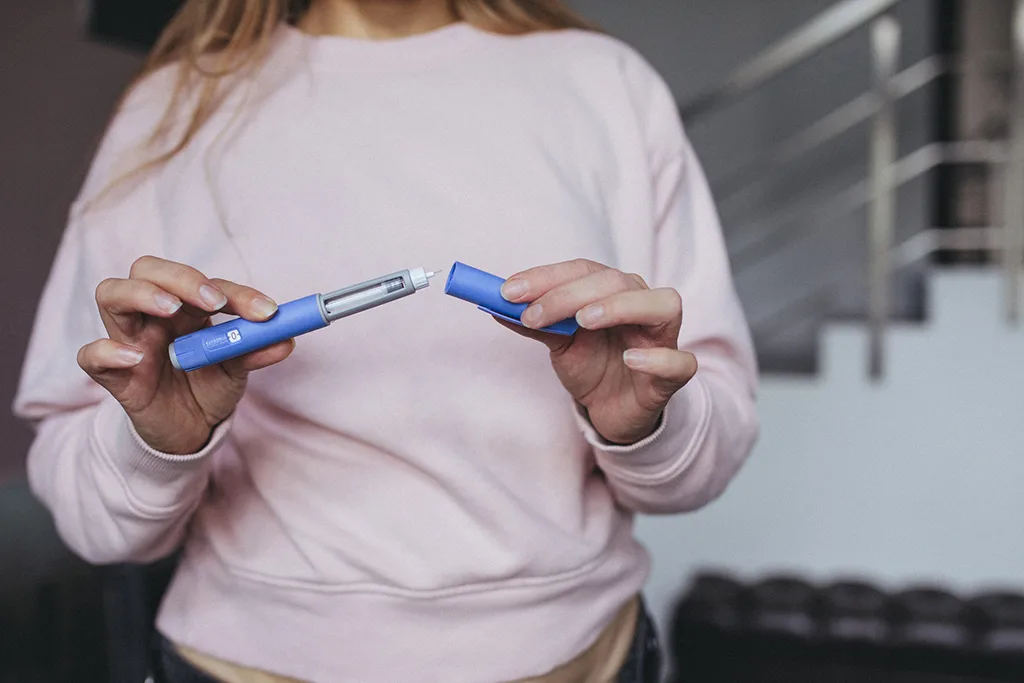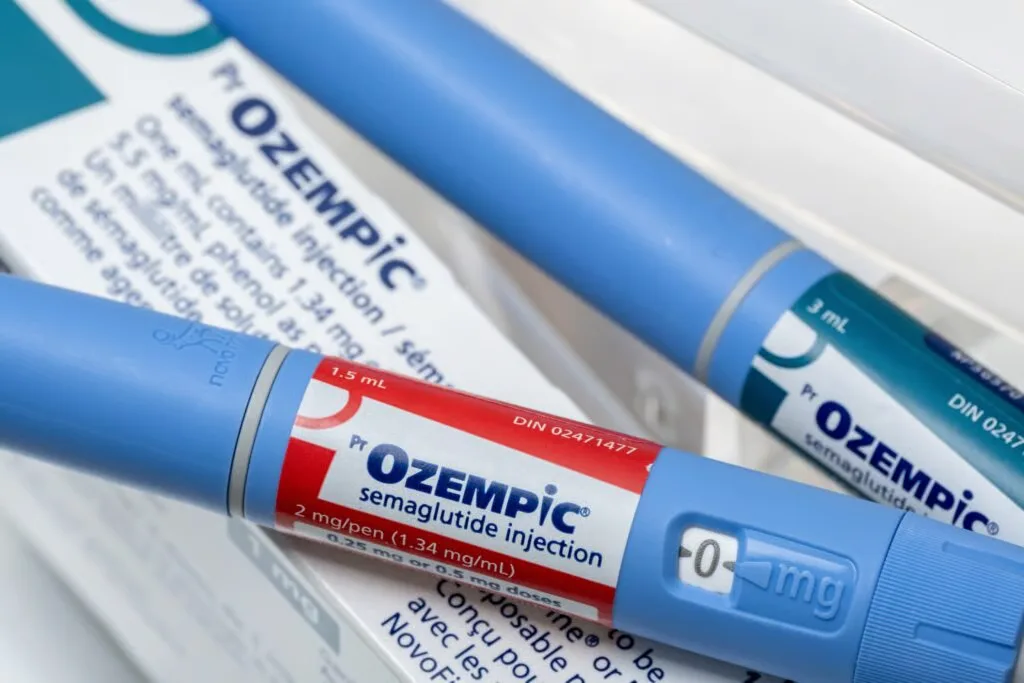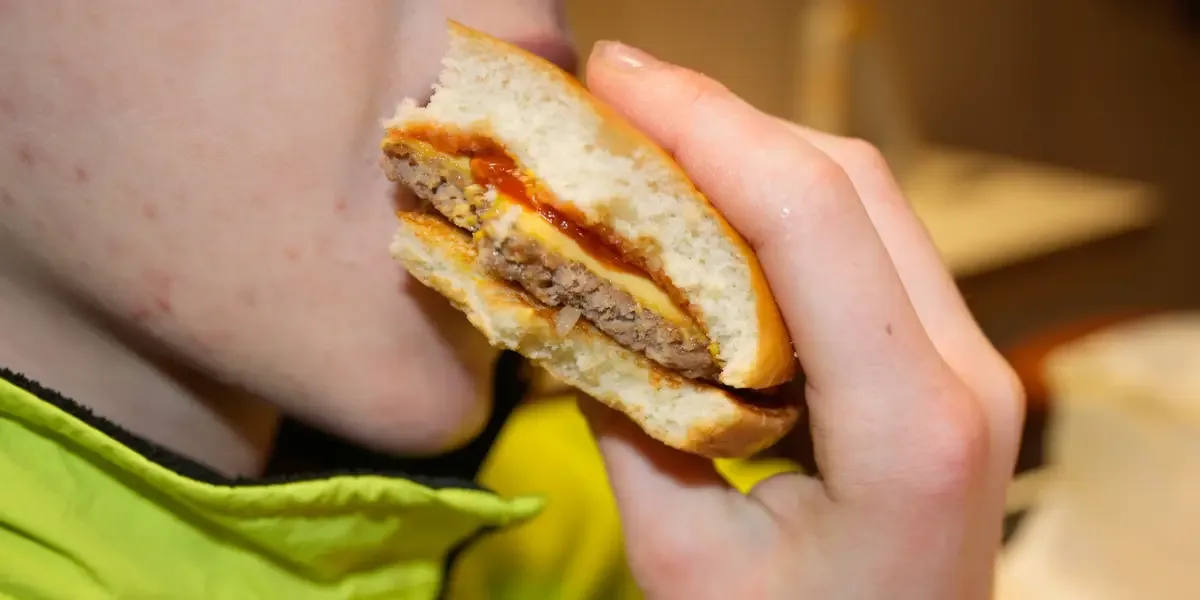

In a recent earnings call, McDonald's executives openly addressed the rising tide of customers using GLP-1 medications, such as Ozempic and Wegovy. CEO Chris Kempczinski highlighted how this growing group is prompting menu experiments focused on protein-rich products. As GLP-1 adoption surges—with an EY consumer products expert noting last year that 10% of the US population is on these drugs—fast food chains like McDonald's are adapting to changed eating behaviors, including smaller portions and less snacking.
McDonald's Earnings Call: Addressing GLP-1 Customer Needs
During Wednesday's earnings call, McDonald's reported a 5.7% increase in global comparable sales, reaching about $7 billion, though its stock price remained relatively flat post-announcement. Amid these results, the conversation turned to the impact of GLP-1 drugs on consumer behavior. CEO Chris Kempczinski stated he expects GLP-1 adoption to continue growing, adding, "as adoption grows, we know that consumers' behavior changes."
These customers, influenced by the appetite-suppressing effects of GLP-1s like Ozempic and Wegovy, show interest in protein-rich products. Kempczinski noted that McDonald's already offers a menu of high-protein dishes. Vice President Jill McDonald provided specific examples, including McDonald's Snack Wraps, Sausage Biscuit sandwich, and chicken McCrispy Strips.
"But we're also seeing changes around maybe less snacking, changes in some of the beverages that they drink, less sugary drinks," Kempczinski said. "And so all of those things are factoring into some of what we're out there experimenting with and testing with."
Jill McDonald added that the team has ideas in the works for how to better serve customers on GLP-1 drugs in the long term, though she did not share additional details. This strategic focus underscores McDonald's proactive approach to a demographic reshaping dining habits.
What Are GLP-1 Medications and How Do They Work?
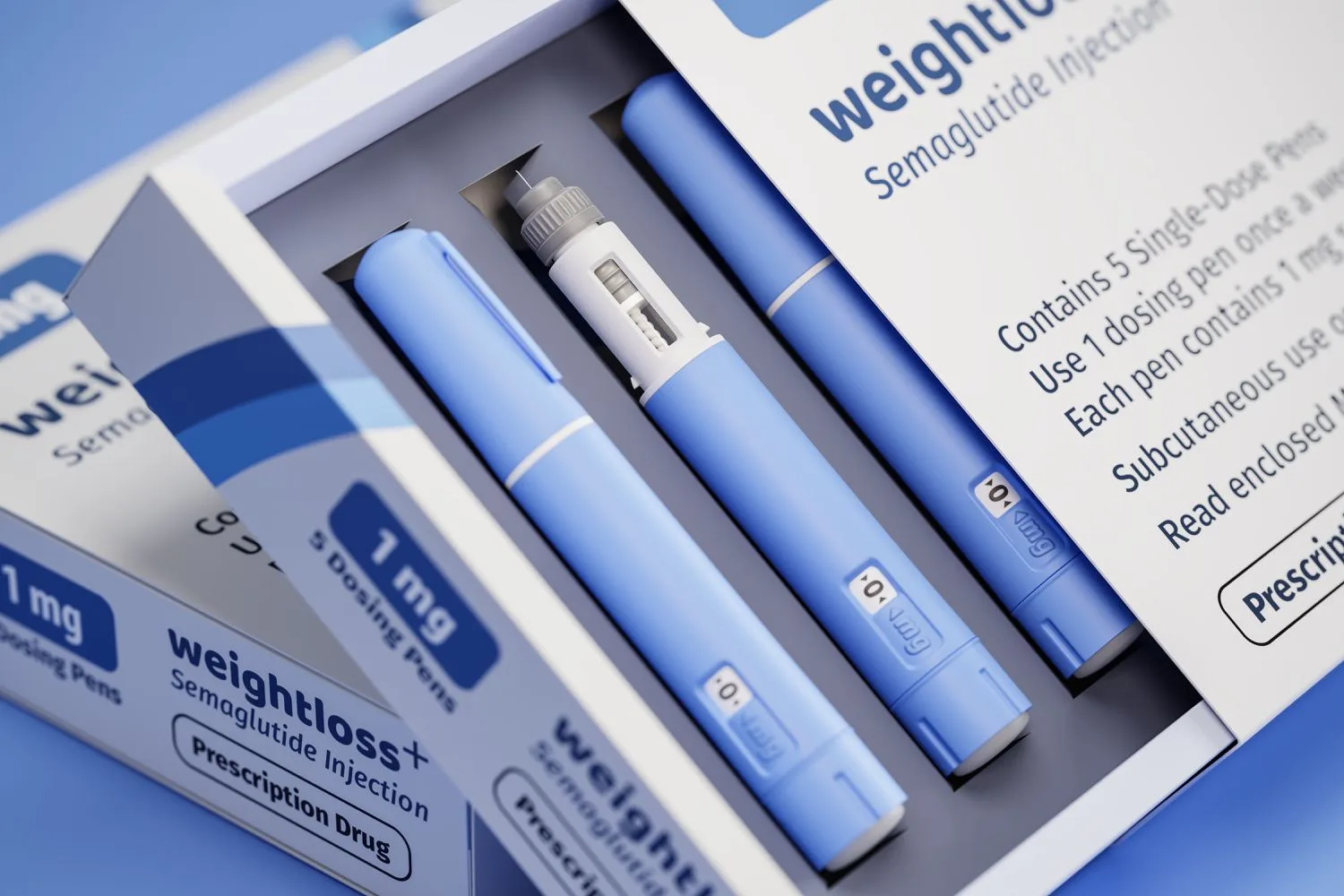
GLP-1 receptor agonists, commonly known as GLP-1 drugs, mimic the glucagon-like peptide-1 hormone to regulate blood sugar, slow gastric emptying, and suppress appetite. Medications like Ozempic (semaglutide) and Wegovy are semaglutide-based injections primarily approved for type 2 diabetes and chronic weight management. By signaling fullness to the brain, they lead users to opt for smaller portion sizes and nutrient-dense foods, directly impacting fast food consumption patterns.
This mechanism explains the behavioral shifts McDonald's execs observed: reduced snacking, preference for proteins over carbs, and avoidance of sugary beverages. For patients on these therapies, maintaining balanced nutrition becomes key, especially when eating out. Tools like Shotlee can help track daily protein intake and medication schedules to align with these changes.
GLP-1 Adoption Trends in the US
The scale of this shift is massive. An EY consumer products expert told Business Insider last year that 10% of the entire US population was on some form of GLP-1 drugs. This surge is not only transforming personal health outcomes but also compelling the food and beverage sector to innovate.
How GLP-1 Users Are Changing Fast Food Habits
Patients on Ozempic or Wegovy often experience reduced hunger, leading to smaller meals and a focus on satiating, high-protein options. At quick-service restaurants, this translates to demand for items like grilled chicken, wraps, and low-sugar drinks over fries, burgers, and sodas. McDonald's high-protein offerings, such as the chicken McCrispy Strips and Sausage Biscuit, align well with these preferences.
Precision tracking for your journey
Join thousands using Shotlee to accurately track GLP-1 medications and side effects.
📱 Get the Shotlee App
Track your GLP-1 medications, peptides, and health metrics on the go with our mobile app!
Practical guidance for GLP-1 users dining at McDonald's: Prioritize protein-forward items to support muscle maintenance during weight loss. Pair with zero-sugar beverages to avoid nausea, a common side effect. Discuss portion control with your doctor, as these drugs enhance satiety but require adequate nutrition to prevent deficiencies.
- Protein-rich picks: Snack Wraps, chicken McCrispy Strips, Sausage Biscuit sandwich
- Beverage shifts: Opt for water, unsweetened tea, or diet options over sugary drinks
- Snacking reduction: Choose occasional small meals over frequent indulgences
McDonald's High-Protein Menu: Ready for GLP-1 Demand?
McDonald's isn't starting from scratch. Its existing lineup already caters to protein seekers, making it well-positioned. The Snack Wraps offer a portable, high-protein wrap; the Sausage Biscuit provides a breakfast boost; and chicken McCrispy Strips deliver crispy satisfaction with solid macros. These items fit seamlessly into a GLP-1 user's routine, helping sustain energy without excess calories.
Long-term, the chain's testing could introduce more "GLP-1-friendly" labels or customized combos, similar to competitors. Patients should monitor side effects like gastrointestinal discomfort by logging meals—apps like Shotlee simplify this by tracking symptoms alongside nutrition.
Other Food Brands Adapting to GLP-1 Users
McDonald's isn't alone. Food brands like Shake Shack and Conagra Brands have released products that are "GLP-1 friendly." Shake Shack introduced its "Good Fit Menu" in December, featuring high-protein, gluten-free, vegetarian, and "GLP-1-friendly" choices, including three burgers wrapped in lettuce instead of buns.
Packaged food giants are also responding. Brands that sell packaged foods, like General Mills and Conagra Brands, have smaller-portion products targeted at people with shrinking appetites. Conagra Brands, which owns brands like Slim Jim and Marie Callender's, labels some of its Healthy Choice frozen meals as "GLP-1 Friendly." This trend is reshaping the US food and beverage sector, prioritizing volume control and protein emphasis.
Comparisons Across Chains
| Brand | GLP-1 Adaptation | Examples |
|---|---|---|
| McDonald's | Testing protein-rich items, less sugary drinks | Snack Wraps, Sausage Biscuit, chicken McCrispy Strips |
| Shake Shack | "Good Fit Menu" | Lettuce-wrapped burgers, high-protein options |
| Conagra Brands | Smaller portions, "GLP-1 Friendly" labels | Healthy Choice meals, Slim Jim |
Safety Considerations for GLP-1 Users Eating Out
While GLP-1 drugs like Ozempic offer benefits, they can cause side effects such as nausea, vomiting, or constipation, exacerbated by high-fat or sugary fast food. McDonald's adaptations support safer choices: high-protein meals aid digestion, and ditching sugary drinks reduces GI upset. Always consult your healthcare provider before dietary changes, especially if combining with peptide therapy.
Key Takeaways: What This Means for GLP-1 Patients and the Food Industry
- McDonald's is testing menus for GLP-1 users, emphasizing proteins like Snack Wraps and chicken McCrispy Strips.
- Expectations of continued GLP-1 growth (10% US adoption) are driving less snacking and sugary drinks.
- Competitors like Shake Shack and Conagra lead with "GLP-1 friendly" innovations.
- Patients: Choose high-protein, low-sugar options; track intake for optimal health.
- Industry-wide: Fast food is evolving to match smaller appetites and nutrient focus.
Conclusion: A New Era for Fast Food and Metabolic Health
McDonald's executives' focus on GLP-1 customers signals a pivotal shift. By preserving high-protein staples and experimenting with beverages, the chain is poised to serve Ozempic and Wegovy users effectively. For patients, this means more dining options aligned with therapy goals. Stay informed on metabolic health trends, discuss fast food strategies with your doctor, and consider tools for symptom tracking to maximize benefits.
(Word count: 1428)