
The Privilege of Longevity
The affluent are now amassing extra years of life much like they previously gathered valuable art pieces or real estate holdings.
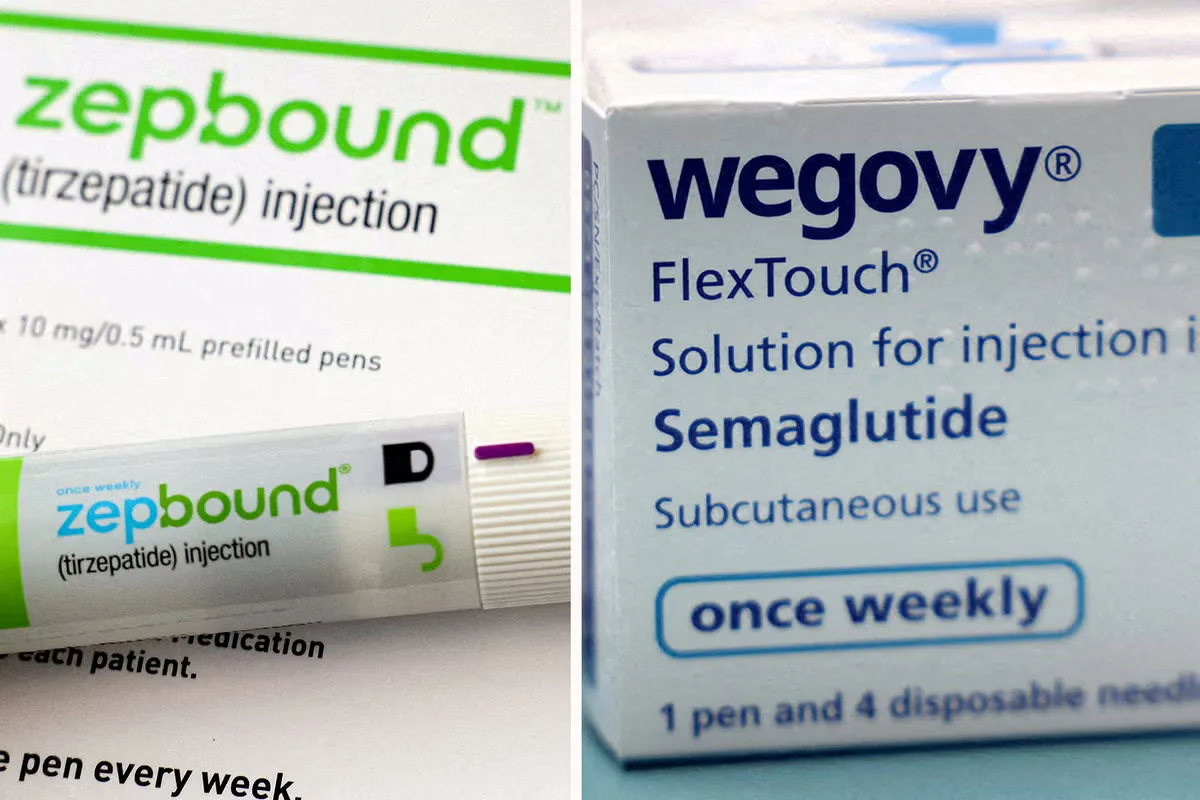
Contemporary healthcare has finally created methods to alter the path of a major epidemic facing our era, although the advantages of this progress are accessible solely to those with substantial financial means. The introduction of GLP-1 receptor stimulants, including semaglutide and tirzepatide, has shifted weight reduction from an uncertain aspiration to nearly a guaranteed physiological outcome.
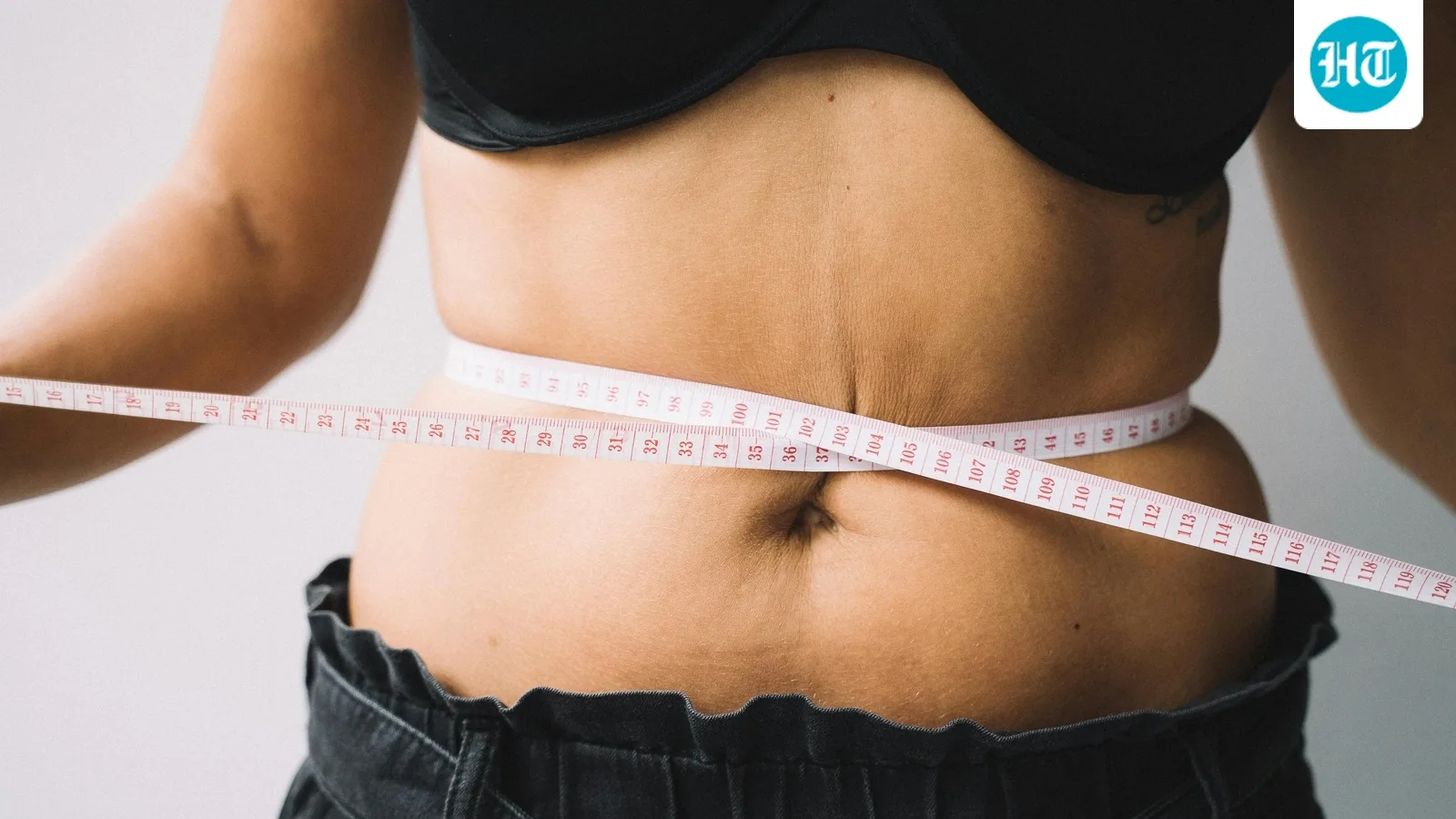
These drugs function by altering hunger cues, decelerating stomach evacuation, and enhancing blood sugar control, with impacts on body weight often surpassing surgical interventions. Clinical studies indicate participants shed an average of 15 percent of their initial body mass, and in certain instances, up to 20 percent. Nevertheless, for numerous individuals, these innovations feel like they originate from a distant realm—the monthly expense can surpass $1000, and most insurance plans or state-funded health programs refuse to cover them.
Weight loss procedures via surgery present a comparable narrative, albeit through a more intrusive method. Research demonstrates they can reduce long-term death rates by half among those with extreme obesity and induce remission of type 2 diabetes in nearly 60 percent of patients, yet in numerous nations, they are mostly limited to individuals capable of bearing considerable personal expenses, even with private coverage. Those relying on public healthcare face queues extending for years, during which complications such as cardiovascular issues, breathing disorders during sleep, or joint deterioration may emerge, potentially avertible otherwise. The net result is that reversing obesity has shifted from a collective health victory to an exclusive perk of wealth.
The Unavoidable Social Divide
The social hierarchy proves inescapable. The most economical calories in today's food choices tend to cause the most damage, with the commercial food industry prioritizing calorie-rich, nutrient-deficient items that dominate the meals of those with limited earnings. A household can purchase an entire sack of deep-fried items for less than a small selection of fresh produce, and in various neighborhoods, the closest wholesome groceries demand a bus journey instead of a stroll. When this situation intersects with extended travel to work, irregular shifts, and inconsistent child supervision, it becomes challenging to perceive obesity as a lack of willpower. Instead, it appears as a highly predictable result of societal and economic frameworks.
Precision tracking for your journey
Join thousands using Shotlee to accurately track GLP-1 medications and side effects.
📱 Get the Shotlee App
Track your GLP-1 medications, peptides, and health metrics on the go with our mobile app!
Even the quest for well-being has evolved into a commercial sector instead of a personal philosophy. Whole industries revolve around individual enhancement. Premium fitness centers with lengthy entry waits, Pilates classes, cold plunges, specialized yoga venues, nutritional experts, physical activity specialists, personal coaches, and "wellness mentors" provide health through recurring payments. They offer inspiration, structure, and oversight, but require two essentials frequently lacking among lower socioeconomic groups: spare hours and extra funds. This disparity in opportunities carries implications extending beyond looks or ease. We are subtly building a civilization where lifespan and living standards will split based on financial status. An infant born in a disadvantaged area might survive 10 years fewer than one in a prosperous district just a short distance away. Those with monetary advantages will not only endure longer but also thrive better, benefiting from prolonged periods of movement, self-reliance, and mental sharpness. Those lacking such resources will experience premature aging, weighed down by the ongoing effects of metabolic and heart-related ailments, often concluding their lives in poor health.
It is alluring to blame these results on individual habits, yet such rationales obscure more than they clarify. The notion of "personal accountability" serves as a handy excuse that frees society from tackling the systemic disparities fostering illness initially. Advising individuals to "consume fewer calories and increase activity" becomes offensive when city environments lack secure walking paths, workdays conclude after sunset, and the closest budget-friendly eatery offers no fresh options. In this way, wellness reflects and intensifies injustice. To alter this pattern, society must recognize obesity not as a character flaw but as a multifaceted societal ailment. Remedies should thus focus on systemic reforms, not ethical lectures. Broader availability to proven treatments must replace restriction to private policyholders. Authorities that finance ongoing expenses for kidney dialysis, limb removals, and heart operations can logically support funding the drugs and operations that avert them.
The Role of Knowledge and Ethics
Even awareness of health topics, frequently praised as an asset, increasingly acts as a benefit for the privileged. The informed can interpret scientific studies, differentiate factual science from marketing ploys, and maneuver intricate medical networks. Those deprived of this background knowledge rely on a jumble of promotional pitches, traditional beliefs, and online rumors. Allocating funds for authentic community instruction on diet and physical activity, conducted in educational institutions and local hubs rather than social media influencers' streams, would generate benefits not just in financial terms but in extended healthier years. It is also crucial to challenge the morality of a framework that develops life-prolonging tools and then limits them to the rich. We instinctively oppose denying necessities like water, housing, or schooling to those unable to pay; why should maintaining vitality differ? The issue lies not in rapid scientific progress but in lagging policies and empathy.
In essence, the inquiry into whether well-being represents a contemporary indulgence is not hypothetical. In reality, it already functions as such. Extended life has emerged as the latest emblem of prestige, with the power to acquire wellness via pharmaceuticals, surroundings, and professional advice supplanting the overt extravagance of past eras. The prosperous are accumulating additional decades of existence akin to how they once acquired art or assets. The sorrowful aspect is that this need not persist. Reasonable entry to effective treatments, balanced food costs, fair community planning, and commitment to widespread health awareness are not luxuries. They constitute the bare essentials of an enlightened and progressive civilization.
Health tracking apps like Shotlee can help monitor progress in weight management and overall wellness, supporting individuals in navigating these challenges.