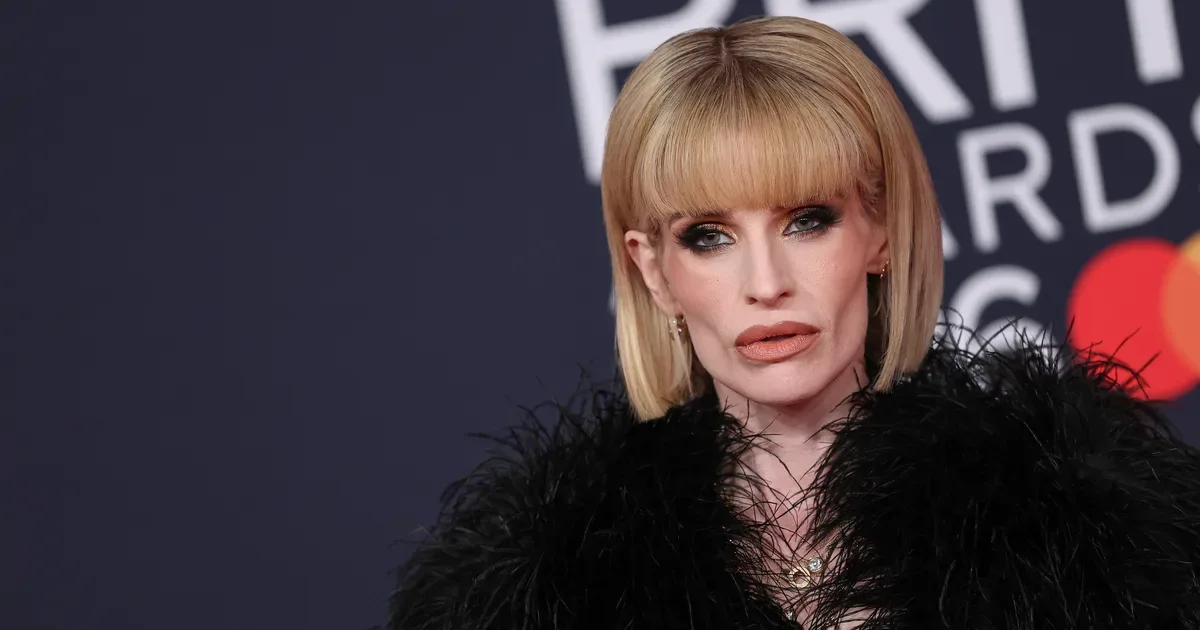

In a raw Instagram Stories post, Kelly Osbourne confronted body-shamers who targeted her appearance at the Brit Awards, linking their comments to unfounded Kelly Osbourne Ozempic rumors. The 41-year-old TV personality, fresh from accepting a Lifetime Achievement Award for her late father Ozzy Osbourne alongside her mother Sharon, wore a black skin-tight dress that sparked vicious online backlash. This incident underscores the intense scrutiny faced by public figures amid personal grief and whispers of GLP-1 medications like Ozempic.
The Brit Awards Moment and Immediate Backlash
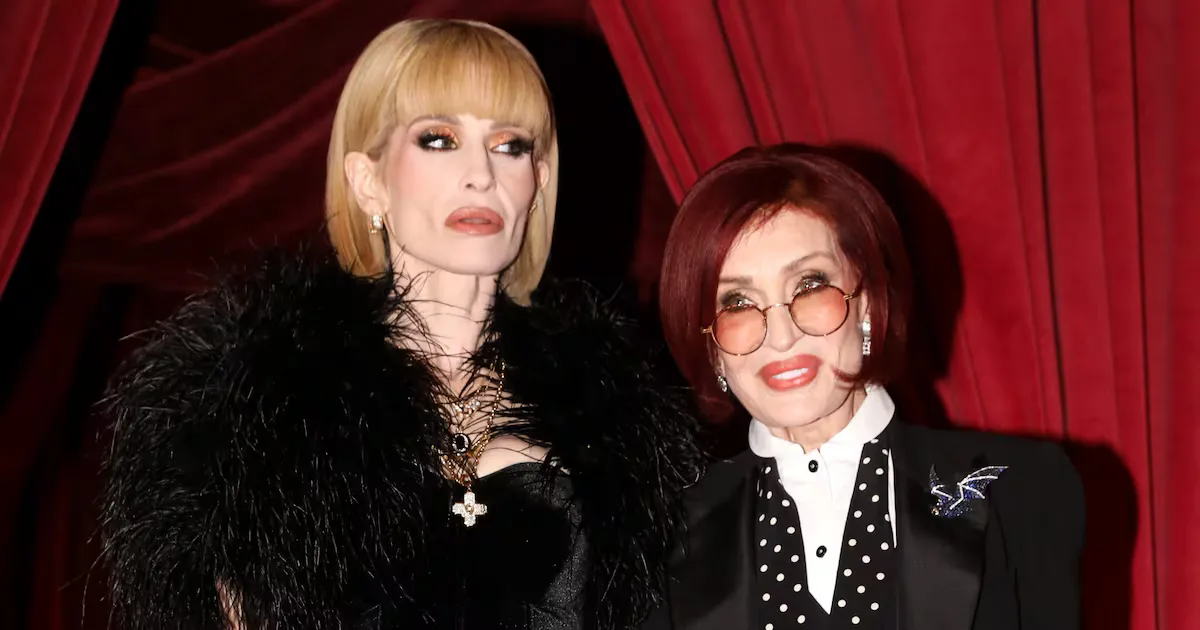
During Saturday's Brit Awards ceremony, Kelly Osbourne and Sharon Osbourne accepted the Brit's Lifetime Achievement Award for Ozzy Osbourne, the Prince of Darkness, who died in July at 76 years old—just weeks after his farewell concert with Black Sabbath. Kelly's poised appearance in a form-fitting black dress drew attention, but not the kind she deserved. Social media erupted with body-shaming comments: "She looks older than her own mother," "get her a cheeseburger," and pointed jabs like "get off of ozempic."
These remarks ignored the emotional weight of the event. Kelly, already vulnerable, faced a "special kind of cruelty," as she later described it, from those doubting her pain and spreading her struggles as gossip.
Kelly Osbourne's Fierce Instagram Response
On Sunday, Kelly Osbourne took to her Instagram Stories to clap back. "There is a special kind of cruelty in harming someone who is clearly going through something," she wrote. "Kicking me while I'm down, doubting my pain, spreading my struggles as gossip, and turning your back when I need support and love most. None of it proves strength; it only reveals a profound absence of compassion and character."
She continued, emphasizing her vulnerability: "I'm currently going through the hardest time in my life. I should not even have to defend myself. But I won't sit here and allow myself to be dehumanized in such a way!" This wasn't isolated; last week, she shared screenshots of similar abusive comments, writing, "Literally can't believe how disgusting some human beings truly are! No one deserves this sort of abuse!"
"To the people who keep thinking they're being funny and mean by writing comments like 'Are you ill,' or 'Get off Ozempic, you don't look right,' my dad just died, and I'm doing the best that I can, and the only thing I have to live for right now is my family."
In a December Instagram video, just months after her dad's death, she reiterated: "my dad just died, and I'm doing the best that I can."
The Backdrop: Ozzy Osbourne's Death and Family Grief
It's unclear exactly what "hardest time" Kelly references beyond her father's passing, but Ozzy's death has clearly devastated the family. The timing—mere weeks post his Black Sabbath farewell—amplifies the loss. Grief like this disrupts daily life, including eating habits, which ties into the body-shaming narrative. Sharon Osbourne defended her daughter on "Piers Morgan Uncensored," stating, "She's right. She's lost her daddy, she can't eat right now."
Kelly's Long History with Body Image and Weight Struggles
Kelly Osbourne has been candid about her body image battles. In 2018, she underwent gastric sleeve surgery, losing 85 pounds. Yet, progress drew criticism; in a 2024 podcast, she revealed an agency head told her she was "too fat for TV." She's addressed shamers before, including post her dad's death, pleading for understanding during her mourning.
This pattern highlights ongoing public judgment, now intersecting with Ozempic body shaming amid her visible weight changes.
Ozempic Rumors in the Spotlight: What Is It and Why the Speculation?
Comments urging Kelly to "get off Ozempic" reflect a broader trend: GLP-1 medications like Ozempic (semaglutide) have surged in popularity for weight management. These injectable drugs mimic glucagon-like peptide-1, a hormone that regulates blood sugar, slows gastric emptying, and signals fullness to the brain, aiding significant weight loss in clinical settings for obesity or type 2 diabetes.
Precision tracking for your journey
Join thousands using Shotlee to accurately track GLP-1 medications and side effects.
📱 Get the Shotlee App
Track your GLP-1 medications, peptides, and health metrics on the go with our mobile app!
Celebrities often face speculation about such therapies due to rapid changes, but Kelly hasn't confirmed use. The rumors underscore how GLP-1 drugs like Ozempic, Wegovy, or Mounjaro enter public discourse—sometimes fueling shaming rather than informed talk. Patients on these should monitor for side effects like nausea or muscle loss, especially under stress.
How GLP-1s Work for Metabolic Health
- Appetite suppression: Activates brain receptors to reduce hunger.
- Blood sugar control: Enhances insulin release, stabilizing glucose.
- Weight loss: Promotes 10-20% body weight reduction in trials, preserving muscle with diet/exercise.
While transformative for metabolic health, they're not quick fixes and require medical oversight.
The Real Impact of Body-Shaming on Mental and Physical Health
Body-shaming exacerbates stress, which can alter metabolism via cortisol spikes, suppressing appetite or causing unintended weight shifts—common in grief. Kelly's story illustrates how online cruelty dehumanizes, ignoring contexts like loss or past surgeries like gastric sleeve.
For those navigating weight stigma, support matters. Tools like Shotlee can help track medication schedules, symptoms, or mood during GLP-1 therapy or grief, providing data for doctor discussions.
Grief's Effect on Weight and Metabolism: Clinical Context
Grief often disrupts eating; elevated stress hormones reduce appetite, mimicking GLP-1 effects unintentionally. Unlike medications, this stems from emotional turmoil, not pharmacology. Nutritionists recommend gentle approaches: small, nutrient-dense meals, hydration, and professional support.
Sharon's comment—"she can't eat right now"—captures this reality. Patients considering GLP-1s during hardship should consult providers about timing, as emotional states influence adherence and outcomes.
Practical Guidance: Discussing Ozempic or Weight Changes with Your Doctor
If body-shaming or grief affects your metabolic health:
- Evaluate GLP-1 suitability: Ideal for BMI ≥30 or ≥27 with comorbidities; discuss risks like GI issues or thyroid concerns.
- Combine with lifestyle: Pair with protein-rich diets to maintain muscle.
- Seek mental health support: Therapy addresses body image tied to weight loss.
- Track progress: Apps like Shotlee log side effects or weight for personalized care.
Comparisons: Gastric sleeve (Kelly's 2018 choice) offers permanent stomach reduction; GLP-1s are reversible but ongoing.
Key Takeaways for Patients and Supporters
- Kelly Osbourne's clapback highlights cruelty in body-shaming, especially amid grief like Ozzy's death.
- Ozempic rumors reflect GLP-1 hype, but speculation harms without context.
- Grief impacts weight naturally; compassion over judgment aids healing.
- Sharon's defense reinforces family solidarity.
- Consult doctors for metabolic therapies, preserving all original claims intact.
Conclusion: Prioritizing Compassion in Health Conversations
Kelly Osbourne's story reminds us: behind every photo is a human story. Whether post-gastric sleeve, during grief, or on GLP-1s like Ozempic, weight journeys deserve empathy. Share her message—end body-shaming, support those down. For personalized metabolic advice, speak to your healthcare provider.