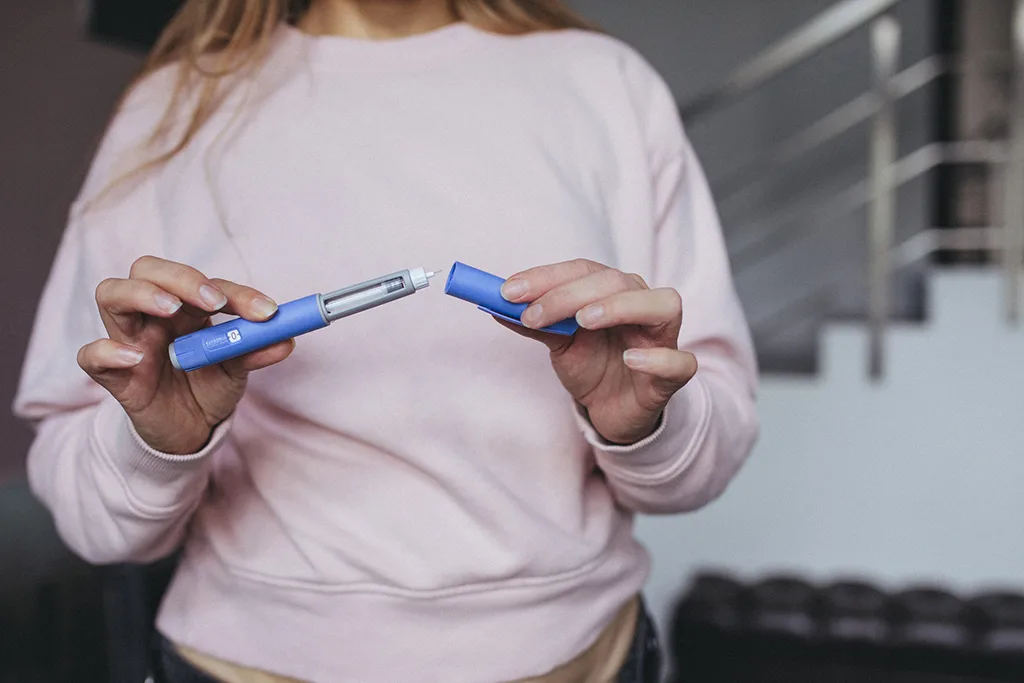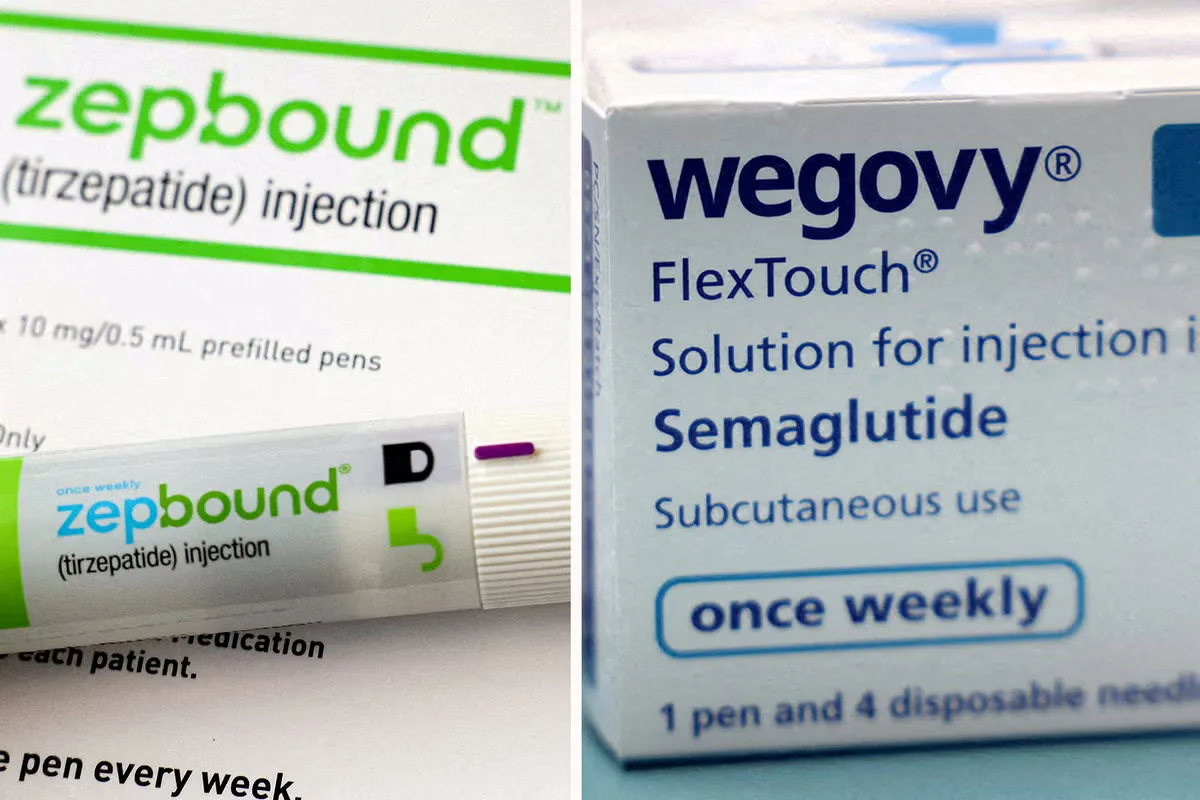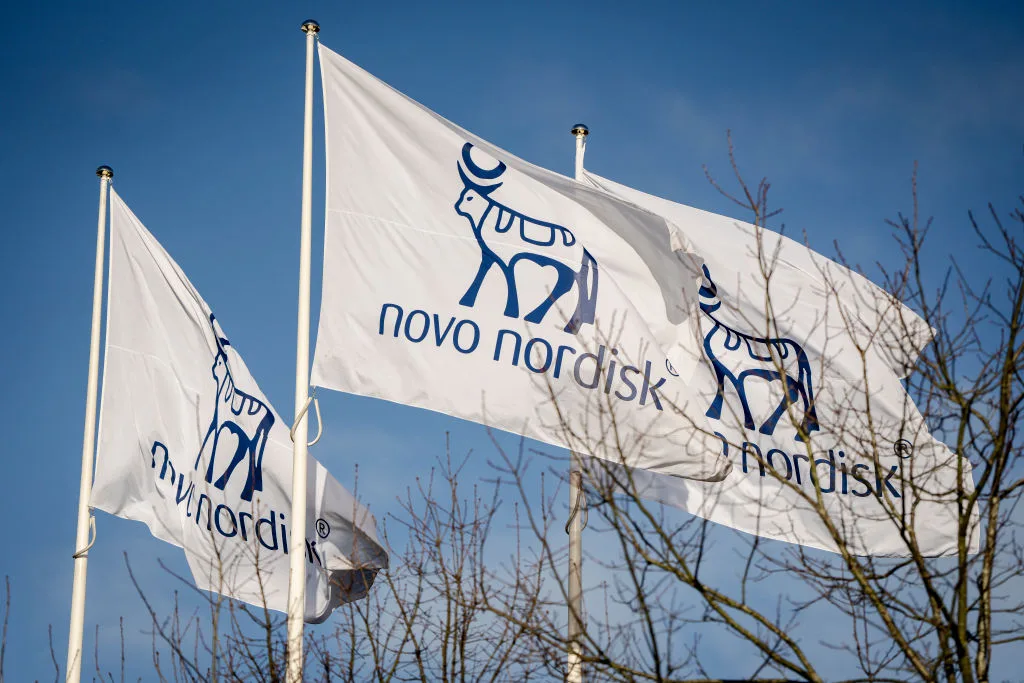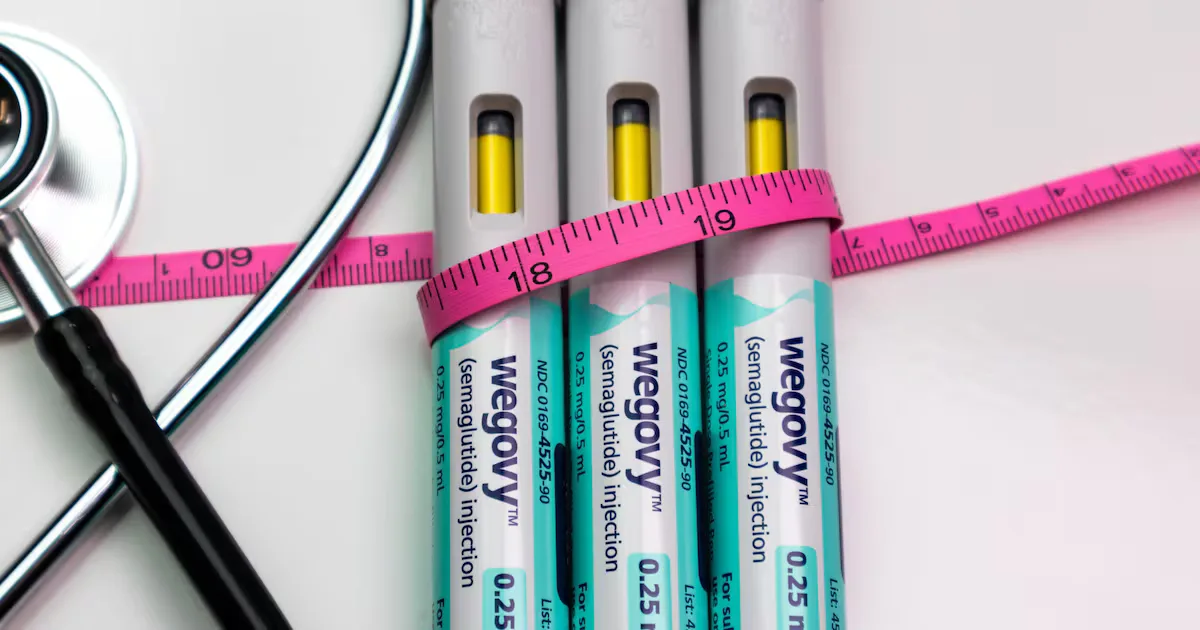
In the fiercely competitive world of GLP-1 receptor agonists and dual GIP/GLP-1 therapies for obesity and diabetes, Novo Nordisk and Eli Lilly are locked in a high-stakes battle. Novo Nordisk, the Danish trailblazer behind the Ozempic and Wegovy diabetes and weight-loss drugs, recently issued results from its own trial pitting a next-generation treatment against Eli Lilly's Mounjaro and Zepbound. The head-to-head test, concluded late last month over 84 weeks on more than 800 people with obesity and "sponsored and designed" by Novo, spectacularly backfired, showing Eli Lilly's competitor performed better.
One analyst remarked that the Danish firm had "shot itself in the foot." Bloomberg and CNBC headlines reflected this, suggesting Mounjaro had widened its lead over Novo, at least in the US. By week's end, billions were wiped off Novo's stock value, while Eli Lilly's shares gained, keeping its US valuation near $1 trillion. Novo's Ozempic and Wegovy, alongside Eli Lilly's Mounjaro and Zepbound, are now globally recognized treatments, drawing massive social media buzz and financial market scrutiny.
While this pharma showdown might seem distant, Ireland has a significant economic stake in the rivalry between Eli Lilly and Novo Nordisk for dominance in weight loss drugs like Wegovy and Mounjaro.
The Novo Nordisk Trial Setback Explained
Novo Nordisk aimed to demonstrate superiority of its next-generation drug over Mounjaro and Zepbound in this pivotal trial. Conducted on over 800 obese participants for 84 weeks, the study—released two weeks ago—yielded unexpected results favoring Eli Lilly's tirzepatide-based brands. Semaglutide, the active ingredient in Ozempic (for diabetes) and Wegovy (higher-dose for weight loss), mimics GLP-1 hormones to regulate blood sugar, slow gastric emptying, and reduce appetite. In contrast, Mounjaro and Zepbound use tirzepatide, a dual GLP-1/GIP agonist, potentially offering enhanced weight loss efficacy, as hinted by the trial.
This outcome not only dented Novo's market confidence but amplified Eli Lilly's momentum. Despite the flop, Novo remains a European powerhouse with 69,000 global employees, continuing €7bn in international capital spending on facilities—even as competition pressures prices downward.
Ireland's Deep Ties to Global Pharma
Prosperity across the island is tied to tech titans like Apple, Intel, and Microsoft, but also to jobs and corporation taxes from global drug makers like Eli Lilly and Novo Nordisk. Pharma industry research indicates most large towns in the Republic host plants producing compounds or full treatments for top-selling medicines, spreading valuable jobs across provinces alongside farming and tourism.
Examples abound: AbbVie employs 2,900 in Westport (Mayo, producing Botox), Sligo, and Cork. Pfizer, famed from Covid, has 2,200 at Grange Castle (west Dublin) and 5,000 total across Ireland. Johnson & Johnson in Limerick and Cork, MSD in Carlow and Dundalk, Amgen in Waterford and Dún Laoghaire add thousands more. Including Sanofi and Novartis, nine firms employ over 23,000, per last year's Economic and Social Research Institute data.
Pharma's Export Dominance
Pharma products are a cornerstone of Ireland's economy. Last year, €138bn in medical and pharma exports dominated the €260bn total goods exports—eclipsing €16bn in meat/dairy and €2bn in beverages like Guinness and whiskey. Corporation tax hit €35bn, with pharma in the spotlight per Central Statistics Office figures.
Precision tracking for your journey
Join thousands using Shotlee to accurately track GLP-1 medications and side effects.
📱 Get the Shotlee App
Track your GLP-1 medications, peptides, and health metrics on the go with our mobile app!
Eli Lilly's Massive Irish Investments
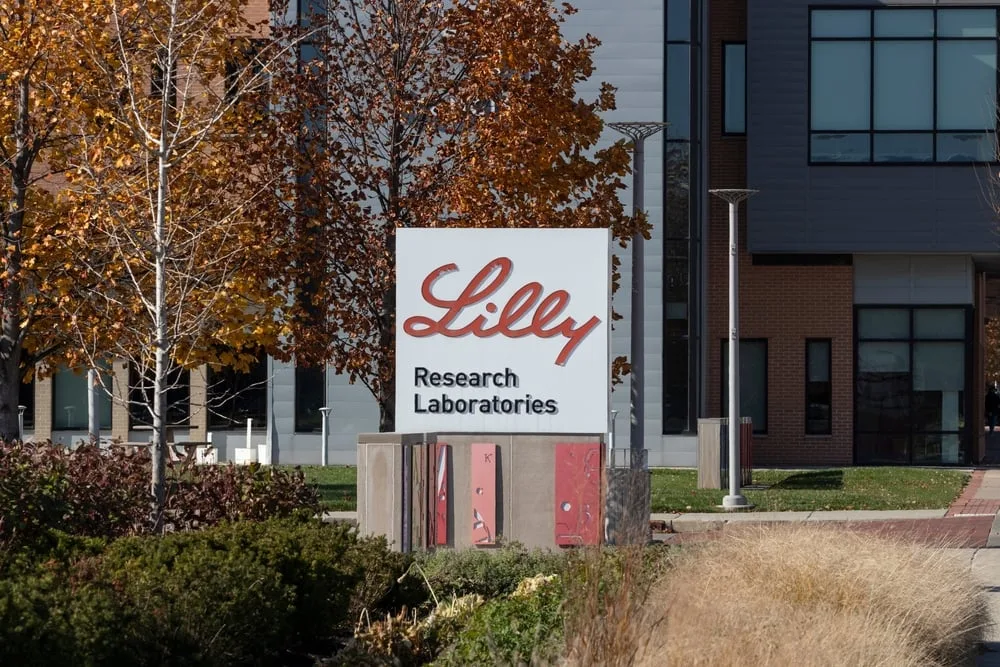
How much of the €138bn stems from weight loss drugs like Mounjaro produced in Ireland is speculative, but Eli Lilly's annual report offers clues. In 2024, Lilly committed nearly $10bn in Indiana for tirzepatide (Mounjaro/Zepbound). That year, it invested $1.8bn in Irish plants to expand manufacturing. By latest documents, this ballooned to $4.3bn in Irish assets for plants, buildings, and projects.
Lilly races Novo to scale obesity drug production: "Investments to increase our manufacturing capacity include new sites in North Carolina, Wisconsin, Indiana, Virginia, Texas, Alabama, Pennsylvania, Ireland, Germany, and the Netherlands." Its 3,700 Irish employees span three sites: a new Limerick project, a 120-acre Kinsale (Cork) plant with 15 acres of solar panels, and Little Island (Cork) for global operations. Patents for Mounjaro/Zepbound in Europe last until the late 2030s, promising long-term returns.
Tax filings reveal Lilly paid $6.6bn to Ireland vs. $3.3bn to the US federal government. "Cash payments of income taxes increased $4.3bn in 2025 compared with 2024, driven primarily by a $4.2bn increase in Ireland resulting from higher production activity," the February report states. Estimates from the Irish Fiscal Advisory Council position Lilly alongside Apple and Microsoft as top contributors to last year's €35bn tax haul—surpassing Pfizer.
Novo Nordisk's Growing Irish Footprint
Links to Novo are less extensive but expanding. Despite 2023 job cuts, Bloomberg reported February plans to expand its Monksland (Athlone) plant for non-US Wegovy pills. Last week, Novo confirmed the €432m "historic milestone" project as its "continued commitment to Ireland." This is part of broader demand-driven expansion.
Economic Implications for Ireland
Ireland's government maintains an each-way bet on Ozempic/Wegovy and Mounjaro/Zepbound. While identities of top tax payers are obscured, stock filings like Lilly's fill gaps—transparent in Washington or Berlin but hidden from Irish citizens. With 50,000 global employees for Lilly and Novo's European champion status, the island watches both rivals.
Broader Context for Patients and Investors
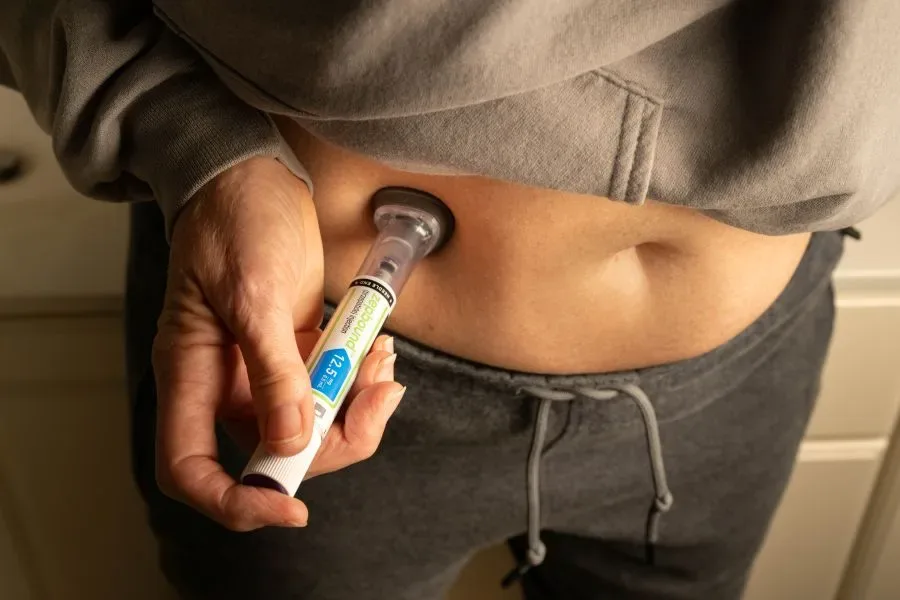
For patients considering GLP-1 therapies like Wegovy (semaglutide injections for chronic weight management) or Mounjaro (tirzepatide for type 2 diabetes with weight loss benefits), this competition drives innovation and potential price reductions. Both drugs target metabolic health by improving insulin sensitivity and promoting satiety, but head-to-head data like Novo's trial underscores tirzepatide's edge in some weight loss metrics. Always consult healthcare providers for personalized suitability, monitoring side effects like nausea or gastrointestinal issues.
Tools like symptom trackers can help manage therapy adherence amid booming demand.
Key Takeaways: What This Means for Ireland and Beyond
- Novo's 84-week trial on 800+ obese patients showed Eli Lilly's Mounjaro outperforming, hitting Novo stock but boosting Lilly near $1tn valuation.
- Ireland's pharma sector employs 23,000+, drives €138bn exports, and fuels €35bn corp tax—Lilly's $4.3bn investments and $6.6bn payments exemplify gains.
- Both firms expand in Ireland: Lilly's Limerick/Kinsale sites, Novo's €432m Athlone upgrade for Wegovy.
- Patents secure returns into 2030s; Ireland hedges on Wegovy/Mounjaro success amid global obesity crisis.
In conclusion, Ireland's strategic position in the Wegovy-Mounjaro rivalry ensures economic resilience. As these drugs transform metabolic health, the island's pharma hubs will continue delivering jobs, taxes, and exports—betting on both rivals to thrive.