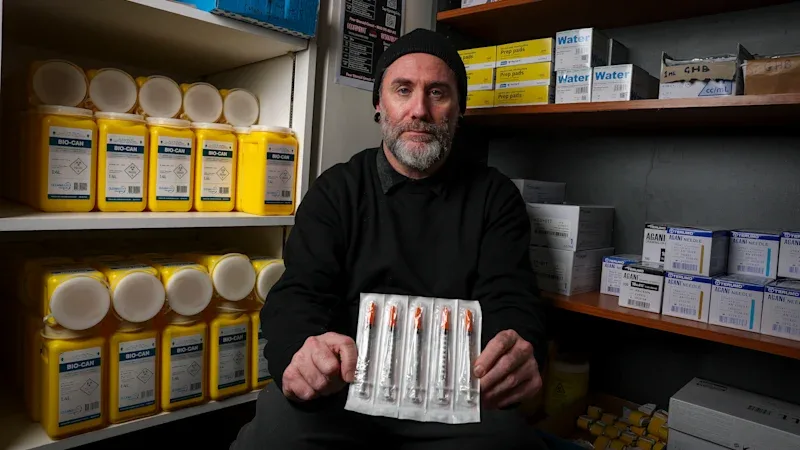

Injectable peptides are capturing attention as the latest "fountain of youth," with social media influencers promising enhanced muscle growth, faster recovery, and ageless vitality. However, a closer look at the science reveals a stark contrast: while well-studied peptides like Ozempic and other GLP-1 agonists have earned regulatory approval through rigorous trials, these hyped alternatives remain unproven and unregulated.
The Historical Quest for Youthful Vitality
Humanity's pursuit of longevity has led to bizarre remedies throughout history, including crocodile droppings, tapeworm ingestion, and raw meat facials. These were once favored by the elite for maintaining beauty, strength, and youth. Today, injectable peptides are positioned similarly by influencers on platforms like TikTok, Instagram, and podcasts.
From Ancient Remedies to Modern Hype
At the molecular level, naturally occurring peptides are short chains of amino acids—building blocks that combine into proteins. In the body, they regulate hormones, digestion, appetite, immune function, muscle growth, and repair. This foundational role fuels excitement, but synthetic versions marketed for injection often diverge sharply from medical standards.
The Rise of Influencer-Promoted Injectable Peptides
Influencers tout these peptides as growth hormone stimulants for effortless muscle building or ultimate anti-aging solutions. Products are frequently sold via the "grey market," legally intended for research but purchased for human use without approval. In Canada, Health Canada issued warnings in 2019 and again in August (noted as April 2025 in some reports, likely a reference to ongoing advisories) against buying these unregulated drugs online. Globally, the World Anti-Doping Agency (WADA) has banned many for professional athletes.
The "Manosphere" and Tech Bro Influence
Tim Caulfield, Canada Research Chair at the University of Alberta specializing in medicine's commercialization, describes this as "scientific looting." Influencers from the "manosphere"—an online community critics link to problematic views—and "tech bros" obsessed with optimization cherry-pick real peptide research, like Ozempic's popularity, to promote unproven theories. This mirrors past hypes around unregulated stem cells, where legitimate science was co-opted for marketing.
Regulatory Shifts: A Tale of Two Directions
While Canada and international bodies caution restraint, the U.S. shows divergence. U.S. Secretary of Health Robert F. Kennedy Jr. announced on Joe Rogan's podcast in February that he is considering loosening FDA regulations tightened in 2023 on compounding 14 popular peptides. The New York Times reported this potential change could occur soon, alarming scientists interviewed for this topic.
Well-Studied Peptides vs. Grey Market Options
Approved injectable peptides, such as insulin and GLP-1 receptor agonists like Ozempic, have undergone large-scale human clinical trials for safety and efficacy. These treat conditions like diabetes and obesity with proven benefits. In contrast, influencer-favored peptides lack such validation, operating in a regulatory void.
Expert Verdict: Evidence is "Essentially Empty"
Stuart Phillips, Canada Research Chair in Skeletal Muscle Health, states bluntly: "The evidence for these things against people's claims is essentially empty. There are no large-scale human trials. There are no efficacy trials. There are no safety trials."
Precision tracking for your journey
Join thousands using Shotlee to accurately track GLP-1 medications and side effects.
📱 Get the Shotlee App
Track your GLP-1 medications, peptides, and health metrics on the go with our mobile app!
"It's just a huge scam," Phillips added. "If they're as good as they're being praised for, why haven't they been patented? Why haven't pharmaceutical companies put these in place?"
Caulfield echoes this, noting the low success rate—around 5% to 10% based on analyses—of translating animal study results to human clinical approval. "If you were a bettor, you would bet on animal studies that are relevant to humans in a clinical context," he said.
Specific Examples: BPC-157 and TB-500 in the Spotlight
Podcaster Logan Paul promotes the "Wolverine Stack"—injections of BPC-157 and TB-500—to his 11 million listeners, claiming it aids professional athletes' recovery from training injuries based on animal studies. BPC-157 is said to promote tissue repair by increasing blood vessels, but scientists warn it may encourage growth of cancerous or precancerous cells.
Anecdotes vs. Data
These stories sound compelling from skilled communicators, but without human trials, they remain unverified. Even if active, unknown interactions, dosages, and long-term effects pose risks.
Serious Health Risks of Unregulated Peptides
Manufacturers operate without oversight, risking non-sterile production that can introduce bacteria, potentially leading to sepsis—a life-threatening infection response causing organ failure. Purity is dubious; users turn to unregulated labs for testing, a red flag per Phillips: "It really means we recognize that there are no real guardrails in this market."
Potential Long-Term Dangers
Caulfield questions: "If they are actually biologically active, what harm could they do to the body? Could they have long-term biological effects?" For those seeking muscle or anti-aging benefits, paying for unproven products is, in Phillips' view, buying "snake oil."
Practical Guidance for Patients and Consumers
Consult healthcare providers before any peptide therapy. Stick to FDA- or Health Canada-approved options like GLP-1 medications for metabolic health, which have demonstrated benefits in large trials. For tracking symptoms or medication adherence with approved therapies, tools like symptom journals can help monitor progress safely.
Comparisons to Proven Alternatives
Ozempic and similar GLP-1s regulate appetite and support metabolic health through established mechanisms, unlike grey market peptides. They offer evidence-based options without the uncertainties.
Key Takeaways: What This Means for Health Seekers
- No Shortcuts: Caulfield advises: "I really don't think you should order a drug that you know hasn't gone through clinical trials."
- Boring Works: Phillips emphasizes: "Being physically active, eating wisely, having good social relationships, having a sense of purpose, and getting quality sleep."
- Regulatory Awareness: Heed warnings from Health Canada, WADA, and experts over influencer anecdotes.
- Focus on Approved Therapies: Leverage proven peptides like Ozempic for metabolic benefits under medical supervision.
Conclusion: Pursue Evidence-Based Longevity
The allure of injectable peptides as a fountain of youth persists, but without robust science, they pose more risks than rewards. By prioritizing approved treatments, lifestyle fundamentals, and professional advice, individuals can achieve sustainable health without gambling on unproven injections. Stay informed, skeptical of hype, and committed to what truly works.