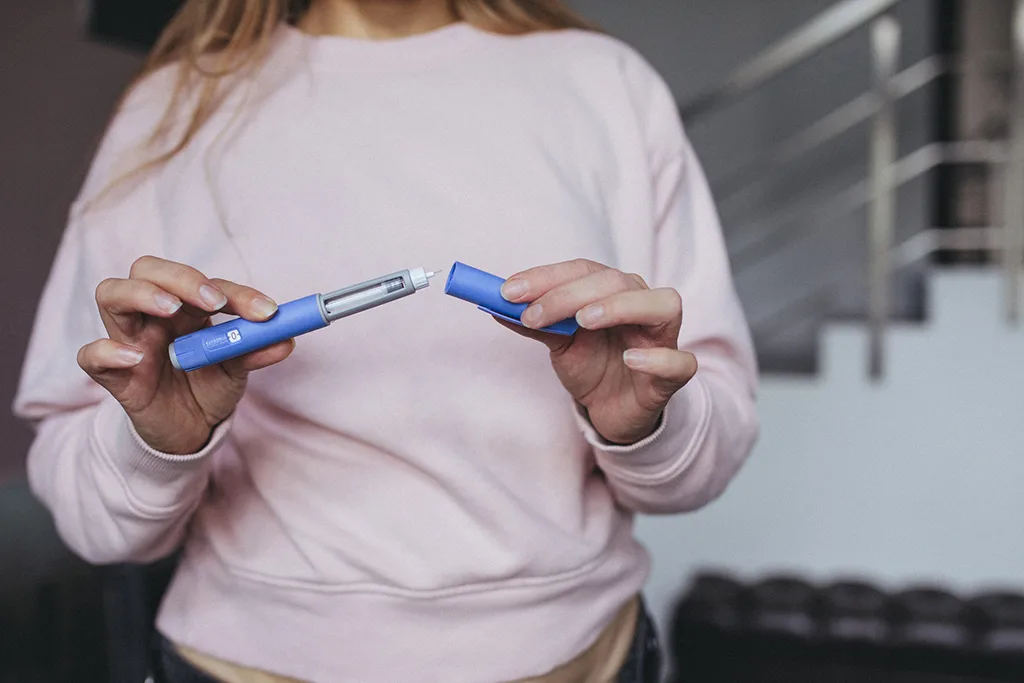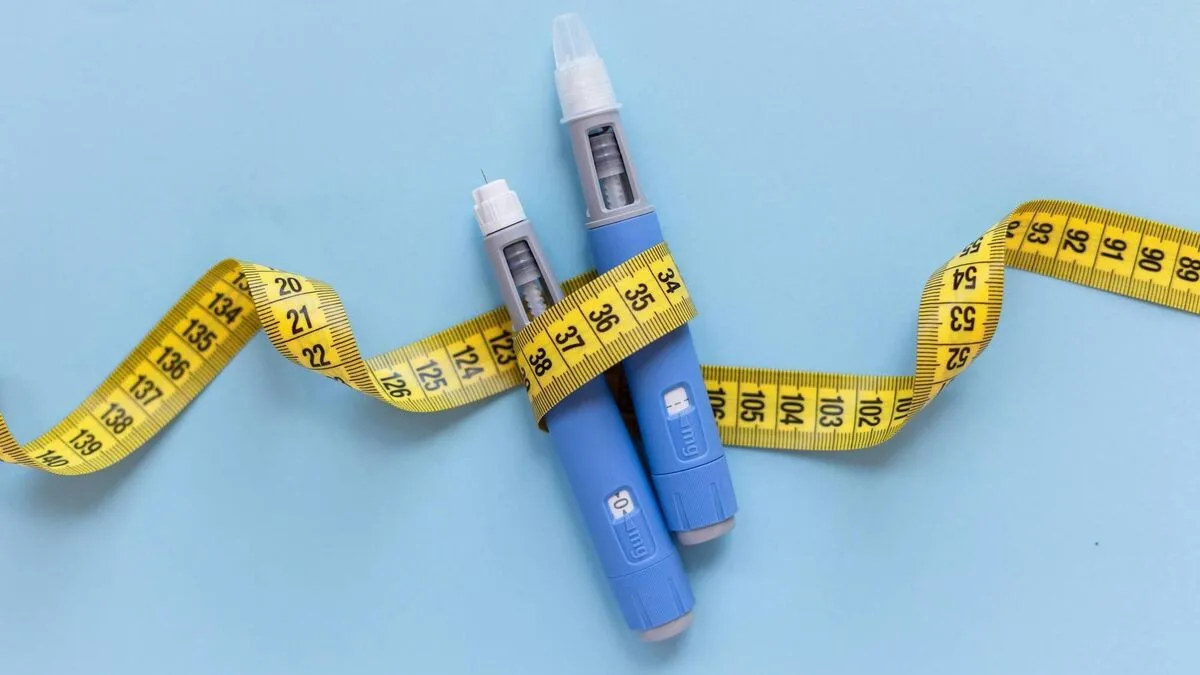

In Ireland, the demand for GLP-1 receptor agonist medications like Ozempic and Saxenda has skyrocketed, putting significant pressure on public health budgets. Last year, the Health Service Executive (HSE) averaged €580,000 per day on these injections through free drugs schemes—a 33% increase in patient numbers since 2023. This surge reflects broader global trends in metabolic health management, where these drugs address not just diabetes but also obesity.
But what drives this spending? Who qualifies? And how does regional variation play into access? This guide breaks down the latest HSE data, explains the clinical science behind these medications, and provides practical insights for patients navigating Ireland's healthcare system.
What Are Ozempic and Saxenda?
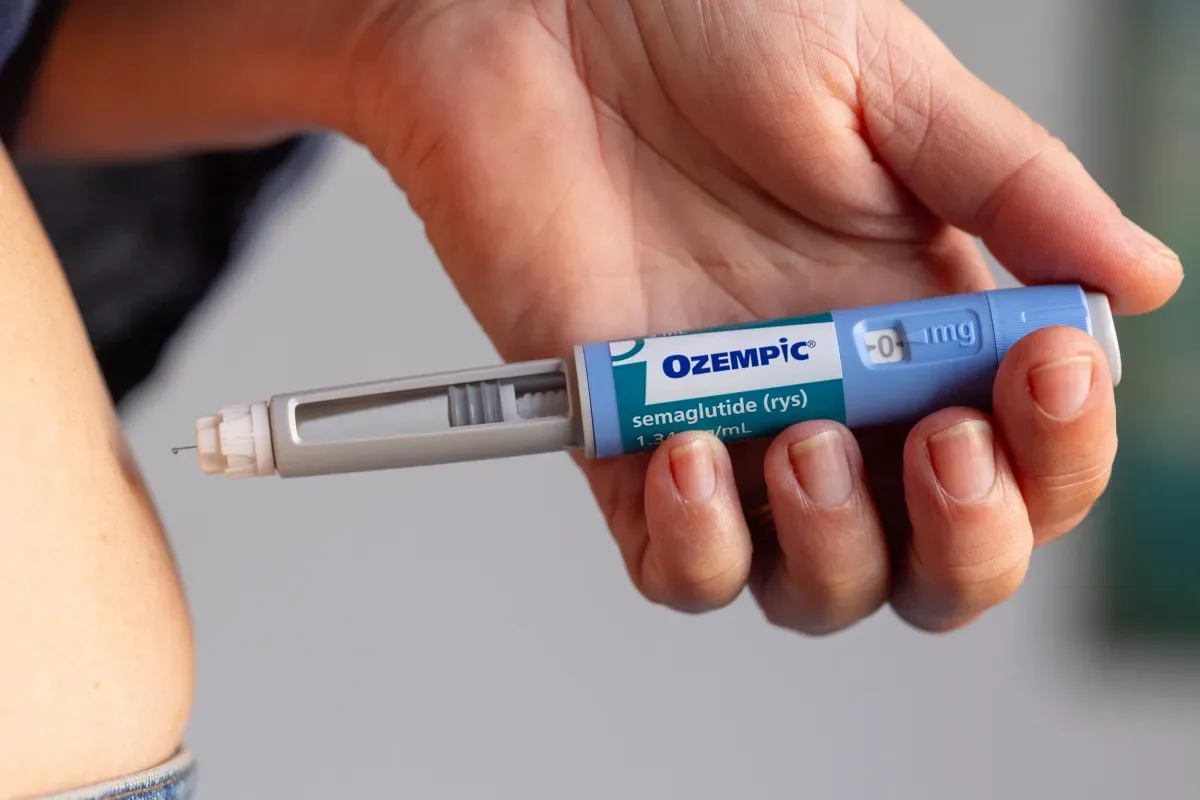
Both Ozempic (semaglutide) and Saxenda (liraglutide) are GLP-1 receptor agonists, a class of injectable drugs that mimic the hormone glucagon-like peptide-1 (GLP-1). Naturally produced in the gut after eating, GLP-1 signals the brain to reduce appetite, slows gastric emptying, and improves insulin sensitivity—key mechanisms for blood sugar control and weight loss.
How GLP-1 Drugs Work: The Science
Satiety signaling: GLP-1 activates receptors in the hypothalamus, promoting fullness and reducing calorie intake by 20-30% in clinical trials.
Glycemic control: They enhance insulin release while suppressing glucagon, lowering HbA1c by 1-2% in type 2 diabetes patients.
Weight loss: Trials like STEP for semaglutide show 15-20% body weight reduction over 68 weeks, far surpassing lifestyle interventions alone.
Ozempic is approved for type 2 diabetes (weekly injection, 0.25-2mg doses), while Saxenda targets weight management in adults with BMI ≥30 (or ≥27 with comorbidities; daily injection, up to 3mg). Privately, Ozempic is often used off-label for weight loss, but HSE funding is stricter.
"GLP-1s represent a paradigm shift in metabolic therapy, but access hinges on approved indications." – Clinical guidelines from NICE and EMA.
HSE Funding Rules and Eligibility
The HSE reimburses these drugs via three schemes:
- Long-Term Illness (LTI) Scheme: Free for conditions like diabetes (non-means-tested). Covers Ozempic primarily.
- Medical Card: For low-income patients; covers Ozempic (diabetes) and Saxenda (weight management).
- Drugs Payment Scheme (DPS): Caps monthly spend at €80-€90 for others; includes both drugs if eligible.
Ozempic lacks EMA approval for weight loss (Wegovy does), so HSE funds it only for diabetes. Saxenda is approved and funded for obesity. This distinction fuels private off-label use and waitlists.
Spending Breakdown: €212 Million in Under 3 Years
From January 2023 to September 2024 (corrected from source), HSE spent €212 million on Ozempic and Saxenda across schemes:
Precision tracking for your journey
Join thousands using Shotlee to accurately track GLP-1 medications and side effects.
📱 Get the Shotlee App
Track your GLP-1 medications, peptides, and health metrics on the go with our mobile app!
- LTI: €161.9 million (mostly Ozempic). 59,279 patients in first 8 months of 2024 (34% ↑ from 2023). Kildare/West Wicklow led at €9.7M (3,418 patients).
- Medical Card: €41.2 million. 17,968 patients in 2024 (26% ↑). Galway topped (1,019 patients).
- DPS: €8.8 million. 3,168 patients in early 2024.
Daily average: €580k in 2024, driven by rising prescriptions amid obesity rates (26% adults per Safefood Ireland).
Regional Variations: A Snapshot
| Region | Total Patients (2024) | Notes |
|---|---|---|
| Kildare/West Wicklow | 4,531 | Highest overall; €9.7M LTI spend |
| North Dublin | 4,322 | Urban access driver |
| Galway | 3,991 | Top medical card usage |
| West Cork | 1,007 | Lowest; rural barriers? |
| Roscommon | 1,030 | Low density |
| Dun Laoghaire | 1,148 | Affluent area, less need? |
Variations likely stem from population density, diabetes prevalence, GP access, and socioeconomic factors. Rural areas like West Cork lag, highlighting equity issues.
Clinical Benefits, Risks, and Management
Efficacy Data
Ozempic (STEP trials): 15% weight loss vs. 2.4% placebo; cardiovascular benefits (SUSTAIN-6: 26% MACE reduction).
Saxenda (SCALE trials): 8% weight loss; sustained over 3 years.
For diabetes, both reduce complications like neuropathy and retinopathy.
Side Effects and Mitigation
- Common (GI): Nausea (44%), vomiting (24%)—titrate slowly.
- Rare/Serious: Pancreatitis, gallbladder issues, thyroid tumors (black box for rodents).
- Management: Start low doses, hydrate, pair with fiber-rich diet. Tools like Shotlee help track symptoms, side effects, and nutrition to optimize therapy.
Long-term: Muscle loss risk (10-40% of weight lost); combine with resistance training and 1.2-1.6g/kg protein.
Future Outlook: Mounjaro, Wegovy, and Beyond
HSE is evaluating tirzepatide (Mounjaro/Zepbound)—a dual GLP-1/GIP agonist with superior 20-25% weight loss (SURMOUNT trials). Wegovy (higher-dose semaglutide) may follow. Reimbursement could balloon costs but improve outcomes amid Ireland's €1.3B annual obesity burden.
Patients: Discuss with GPs; consider private if ineligible. Lifestyle integration maximizes results—GLP-1s aren't standalone.
Practical Advice for Patients
- Eligibility check: Diabetes? BMI criteria? Apply via GP for schemes.
- Lifestyle synergy: 150min/week exercise, Mediterranean diet.
- Monitoring: Use apps like Shotlee for logging doses, weight, and A1c.
- Alternatives: Metformin, SGLT2s for diabetes; orlistat if ineligible.
Conclusion
HSE's €500k+ daily outlay on Ozempic and Saxenda underscores their transformative role in diabetes and weight management, yet funding limits expose access gaps. With patient numbers up 33%, expect policy evolution for next-gen GLP-1s. For sustainable success, blend meds with evidence-based habits—consult your healthcare provider to personalize your path.